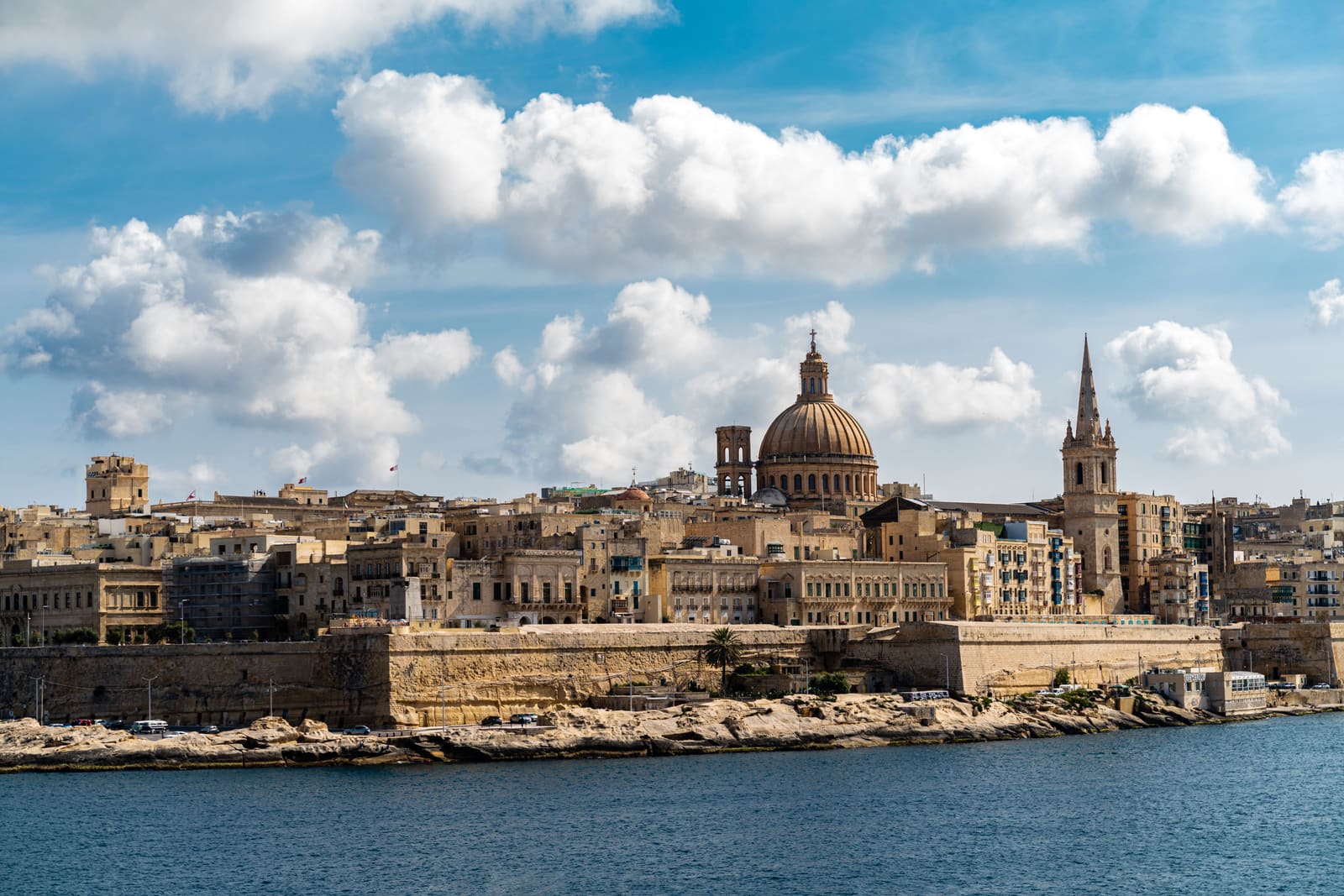
A Year-Round Island
Malta logs more than 300 days of sunshine annually, which makes it viable in any season. The light catches on Valletta's apricot-toned buildings, spills across harbour walls and reaches into the stepped lanes of inland towns. An extensive bus network and regular ferries link the main settlements, so moving between sites is straightforward.
The island's food pulls from North African, Sicilian and wider Mediterranean traditions. Pastizzi stuffed with ricotta or mushy peas turn up in Rabat bakeries; hobż biż-żejt, a crunchy bread rubbed with tomato and olive oil, appears at Sliema street stalls. Fresh seafood comes straight off luzzus, the brightly painted wooden fishing boats, in Marsaxlokk harbour.
Where to Base Yourself
Transfer times from the airport are short regardless of where you stay. Mellieħa, a hilltop village on the north coast, sits above Malta's longest sandy beach and suits families. St Paul's Bay, with its long promenade, offers similar access to attractions.
Sliema's seafront promenade runs past swimming spots and boat-cruise jetties. Valletta, the 16th-century fortress capital, packs restaurants, bars and shops along limestone-paved streets. Couples and families both find it workable. Day one is for settling in and walking the immediate area.
Valletta and the Three Cities
Valletta is a UNESCO World Heritage Site built from uniform buttery limestone. St John's Co-Cathedral and the Renzo Piano-designed city gate, with its intricate patterning, anchor the visit. Triq Santa Luċija holds shops selling filigree jewellery and cafés such as San Paolo Naufrago, where tables spill onto broad steps and pizza and burrata are served.
A short ferry crosses Grand Harbour to the Three Cities: Birgu, Isla and Bormla, fortified towns that predate Valletta. Gardjola Gardens holds a watchtower carved with eyes and ears; 16th-century Fort St Angelo delivers harbour views. Back in Valletta, Legligin Restaurant serves seasonal Maltese dishes, whilst Michelin-starred ION Harbour offers a farm-to-fork tasting menu.
Mdina and Rabat
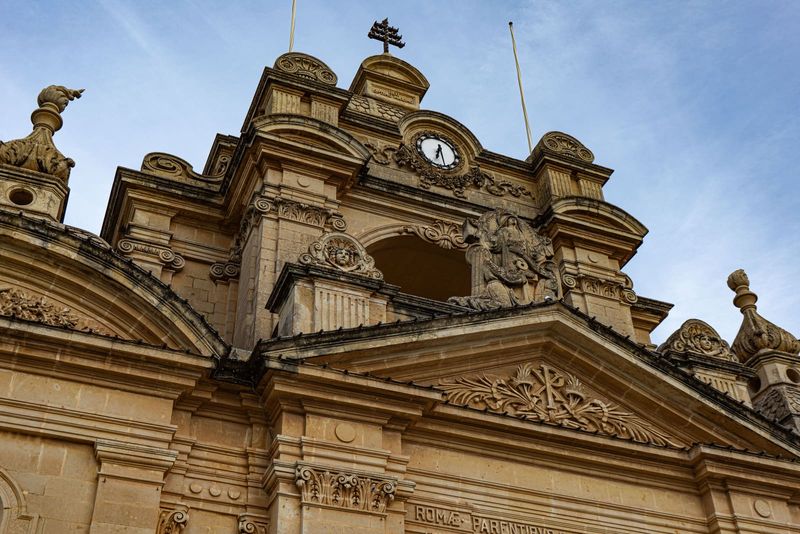
Mdina, Malta's ancient capital, is accessible by bus or taxi from most bases. Two grand stone gates admit visitors. St Paul's Cathedral dates to the 18th century; Palazzo Falson, a 15th-century townhouse turned museum, traces Maltese history.
Just outside the walls, Rabat's narrow lanes are lined with traditional limestone houses. St Paul's Catacombs reach back to the third or fourth century BC. Domus Romana is a museum built around a Roman villa. Is-Serkin sells pastizzi, the crisp puff-pastry parcels filled with peas or ricotta.
Outdoor Routes
Dingli Cliffs mark Malta's highest natural point and are accessible on foot. Il-Majjistral park traces the rugged shoreline. An ancient Roman road on Xemxija Hill in St Paul's Bay passes tombs and a 1,000-year-old carob tree.
Ta' Qali National Park offers walking loops around formal Maltese-cross gardens; San Anton Gardens nearby are quieter. Horseback riding, quad bikes, Jeep tours and cycling are alternative ways to cover the terrain.
Sliema's Promenade
Sliema's long, flat promenade is lined with street stalls and cafés serving falafel, fresh seafood and hobż biż-żejt. Fond Għadir, a Blue Flag swimming spot, has rock-carved bathing pools and ladders into turquoise water.
Trattoria del Mare serves Sicilian-inspired seafood with sunset views of Valletta's skyline. Catamaran cruises around the harbour depart in the evening.
Coastline and Gozo
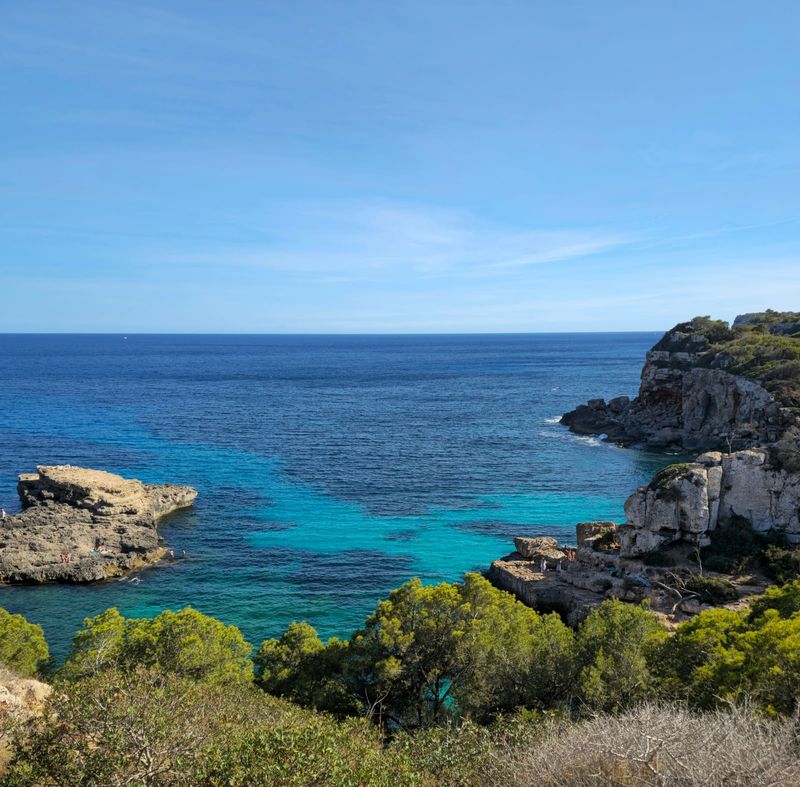
Malta's coast alternates between sandy coves, limestone cliffs and sea caves. Qawra Point, accessed from the St Paul's Bay promenade, has natural pools for swimming and snorkelling. Malta National Aquarium is nearby.
Mellieħa Bay, on the north coast, is a powdery beach with gentle, shallow water that suits families. Golden Bay, close to the village of Manikata, has soft, reddish sand against blue-green water. Boat trips cover more of the coastline from the sea. A short ferry reaches Gozo, the smaller island, where bays, beaches and the Neolithic Ġgantija Temples await.
Neolithic Sites and Marsaxlokk
The Neolithic temples of Haġar Qim and Mnajdra are believed to be among the world's oldest religious sites, dating back five millennia. On Sundays, the fishing village of Marsaxlokk holds a weekly market with stalls selling honey, leather goods and souvenirs emblazoned with the Maltese cross.
Fresh seafood is served by the harbour, where crews haul in their catch in luzzus. The traditional wooden boats are painted blue, red, yellow and green, each bearing the Eye of Horus motif.