A Festival Town with a Past
The border guard's reaction says something about local pride. When visitors mention Roskilde Festival, residents light up. The event started in 1971 when Danish high schoolers tried to recreate Woodstock's energy, pooling money and optimism. That first year drew 12,000 people. Today, attendance tops 130,000 for a lineup that spans decades and genres, from The Cure to Zara Larsson.
What makes Roskilde Festival unusual is its structure. It operates as a nonprofit, funnelling millions of kroner annually into youth programs and sustainability projects across the city. According to Kara Djurhuus, the festival's Head of Philanthropy, 2026 looks set to be the most profitable year yet. The money stays local, supporting creativity and community wellbeing rather than shareholders.
But here's the odd part: most festivalgoers never leave the site. They camp, they see bands, they restock at the nearby Lidl, then head back to Copenhagen. The town itself remains a footnote.
Viking Roots and Royal Tombs
Roskilde earned its place in history long before the first guitar was plugged in. During the Viking Age, it served as a crucial sea port. When Christian missionaries arrived in the 700s and 800s, they were drawn to the city's sacred springs, the kilde that gives the town its name. By 1020, Roskilde had become Denmark's capital, a status it held for nearly four centuries.
The Royal Family settled here, and plans for a grand Romanesque cathedral were drawn up in the 1100s. Those plans were scrapped midway through construction in favour of the Gothic style that was sweeping Europe. The result is Roskilde Cathedral, designated a UNESCO World Heritage Site in 1995. Its twin spires dominate the skyline, and inside, Danish royals rest in elaborate tombs. It remains one of the oldest brick-built cathedrals in Northern Europe.
Perched on a hill, the cathedral overlooks the fjord and another draw: the Viking Ship Museum. On calmer days, visitors can board replica vessels and sail across the water. When wind and rain keep boats docked, the museum itself holds appeal. Preserved Viking ships fill the halls, their scale and craftsmanship intact after centuries. Children can try on period costumes and watch demonstrations of traditional boat-building techniques, skills kept alive by local craftspeople working on vessels in the harbour.
Walking Through Layers of Time
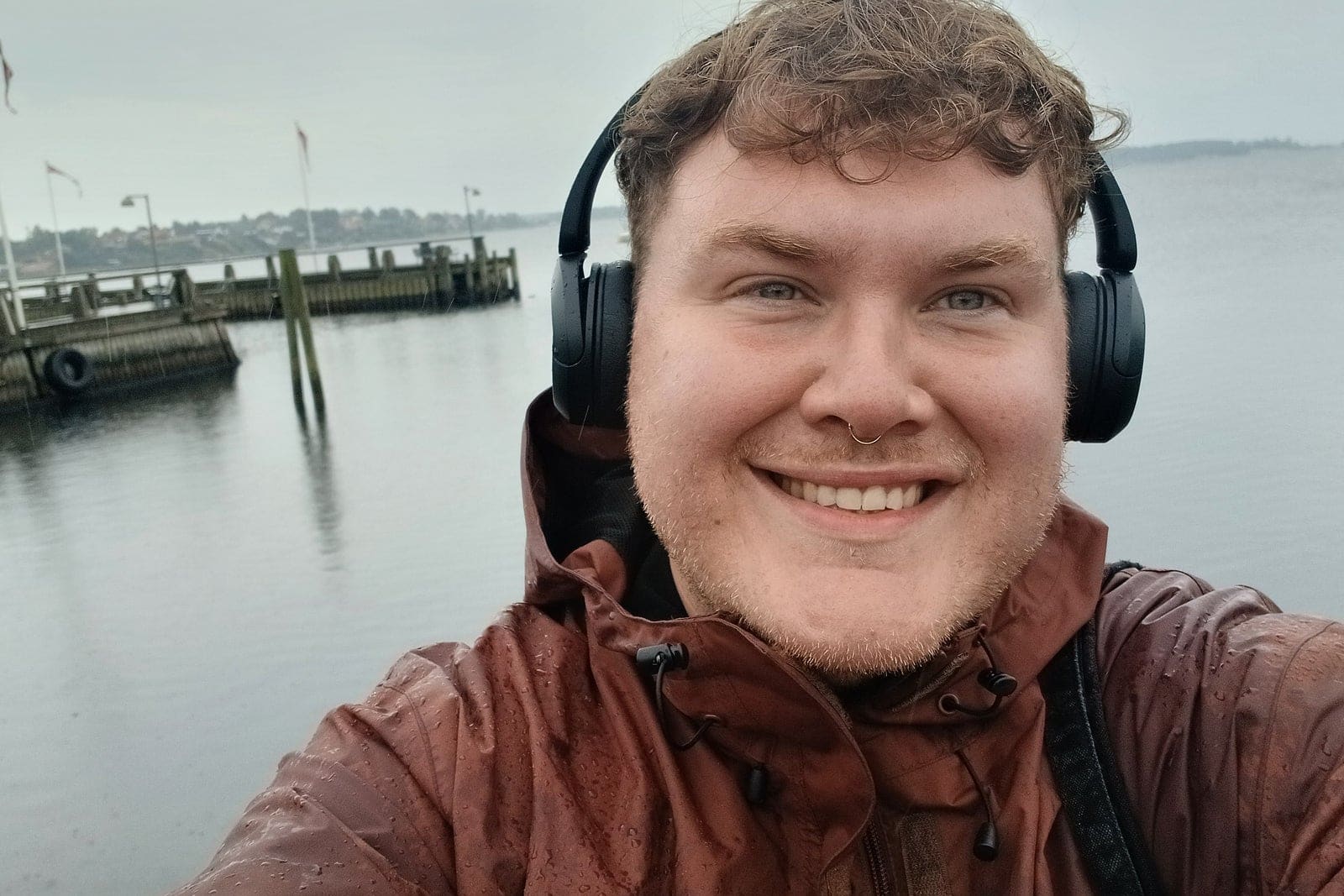
The walk from the compact city centre to the museum threads through Byparken, a park animated by streams and fountains. St John's Spring, a holy water source dating back to 1834, provides a constant murmur. The path winds downhill past the cathedral, eventually reaching the fjord, where rows of ships offer glimpses into maritime history.
Even in drizzle, the harbour has a pull. The combination of medieval architecture, water, and working boat-building creates a sense of continuity. This isn't a place frozen in amber for tourists; it's a town that has simply held onto pieces of its past while moving forward.
A Creative Current
Roskilde's cultural life extends beyond one massive festival each summer. The cathedral hosts concerts, as does Byparken. Cafe Selvskab serves strong coffee and pastries alongside lino-printing stations and paper flower-making supplies. INSP!, a community hub, offers workshops, a cafe, and electronic music nights.
The Rock Museum owes its existence partly to Roskilde Festival. Its interactive exhibits trace Danish music history, a nod to the country's outsized influence on genres from pop to metal. Along the main streets, cafes serve smørrebrod topped with prawns and sliced eggs. Cafe 48 turns out club sandwiches large enough to require strategy, finished with a dollop of spicy curry mayo.
A note on cost: coffee runs between £5 and £7, and non-EU card transactions carry a 3 per cent surcharge. It adds up quickly for visitors from the UK.
The Festival as Rite of Passage
For many Danish teenagers, attending Roskilde Festival marks a turning point. They volunteer in exchange for tickets, camp with friends, and return home hoarse from shouting along to closing sets. The crowd skews young and local, a mix that gives the event a distinctly Danish flavour despite its international lineup.
The festival's nonprofit model means its success directly benefits the town. Youth programs expand, sustainability initiatives gain funding, and creative spaces like INSP! and the Rock Museum continue to thrive. It's a feedback loop: the festival strengthens the community, and the community supports the festival.
Beyond the Festival Grounds
Roskilde sits just 30 minutes by train from Copenhagen, making it an easy day trip. Regular flights from the UK to Copenhagen start around £75 return, with train tickets from the airport to Roskilde beginning at roughly £6. The proximity to the capital means visitors can split their time between urban energy and quieter harbour-town exploration.
For those looking to stay overnight, options range widely. Accommodation near Roskilde tends to book up during festival season, pushing some visitors toward Copenhagen hotels. The trade-off is a short commute in exchange for more availability.
The town's appeal lies in its scale. It's walkable, unhurried, and layered with history that doesn't demand much effort to access. The cathedral, the fjord, the Viking ships, the cafes with creative workshops, they all sit within a compact radius. You can cover the highlights in an afternoon or stretch the visit over a couple of days, depending on how much time you want to spend watching boat-builders work or lingering over coffee while rain passes.
A Town Shaped by Music and History
Roskilde's identity is split. It's a former capital with royal tombs and Viking ships. It's also a town that hosts one of Europe's largest music festivals, an event born from teenage ambition and sustained by nonprofit principles. The two sides coexist without friction.
Most visitors come for the festival and leave without seeing the cathedral or the fjord. That's changing slowly, as word spreads about what else the town offers. The border guard's pride wasn't misplaced. Roskilde has substance beyond its summer crowds, a mix of history, creativity, and community investment that gives it weight. It just requires stepping off the festival grounds and walking toward the water.