Unprecedented Scale
More than 300,000 people have been evacuated from areas across Spain and France as wildfires spread through both countries, prompting governments to update travel guidance for residents and visitors. The blazes have reached a scale authorities describe as historic, with Bordeaux facing the possibility of a complete evacuation.
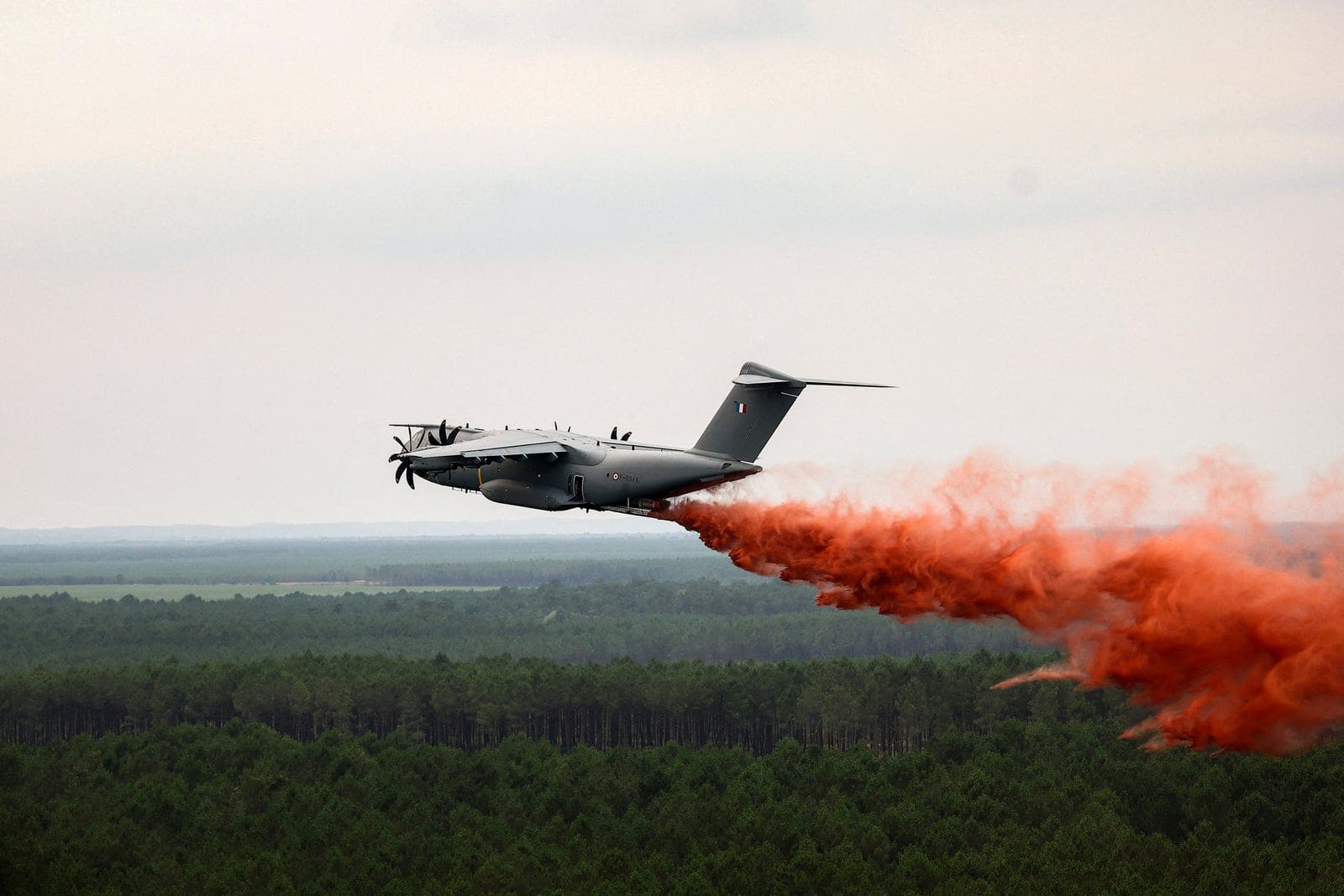
French prime minister Sebastien Lecornu noted the fires affecting France represent conditions never seen before in the country. The French military has been deployed to assist firefighting efforts, while the European Union has contributed aircraft and helicopters to support containment operations.
In Madrid, regional president Isabel Díaz Ayuso characterized the situation as the worst fire in the region's recorded history. The severity stems from a combination of elevated temperatures, strong winds, and multiple fires merging into larger fronts.
Spain: National Emergency Declared
Spain has declared a national emergency over fires in the Madrid and Avila regions, with additional blazes reported in other inland areas. The UK government is advising travelers to avoid moving through affected zones entirely.
Those currently in Spain are being instructed to follow directions from local authorities and emergency services at all times. The guidance emphasizes avoiding travel to or through impacted areas, monitoring updates from emergency services, and contacting 112 for urgent assistance.
Travelers planning routes through Spain from France should check French travel guidance before departure, while those entering from Gibraltar are advised to review Gibraltar-specific updates.
France: Evacuations and Road Closures
Wildfires in France have concentrated in parts of Gironde, particularly around Saumos, Le Porge, and Lège-Cap-Ferret. French authorities have evacuated campsites, tourist accommodations, and some residential neighborhoods. A separate fire is affecting portions of Landes, including Biscarrosse and surrounding areas.
Access to affected zones may be restricted with little notice, and roads can close suddenly as conditions shift. The UK government is advising those in the region or planning to travel there to follow local authority instructions, monitor local media, and verify conditions with accommodation providers or travel companies before departure.
The Prefecture has established a public information line operating from 9am to 5pm at +33 (0)9 70 80 90 40, with option 1 for Gironde-specific information. France also maintains a wildfire map tracking active blazes across the country.
What Travelers Should Consider
The situation remains fluid, with fire conditions changing based on weather patterns and containment progress. Travelers with bookings in affected regions should contact their providers directly to understand whether accommodations remain accessible and safe.
Those planning overland travel between France and Spain should factor in potential route disruptions and longer journey times if primary roads through affected areas are closed. Flexibility in travel dates may be necessary as authorities prioritize evacuation routes and firefighting access.
The scale of the evacuations reflects the intensity of this year's fire season, shaped by drought conditions and high temperatures across southern Europe. While popular coastal destinations remain largely unaffected, inland routes and rural accommodations face the greatest disruption.
Travelers already in either country should stay alert to changing conditions and be prepared to adjust plans quickly if authorities issue new evacuation orders or access restrictions.