Nationwide Work Stoppage on 11 November
Spain's two largest trade unions have called a 24-hour general strike for Wednesday, 11 November, marking the first time UGT and CCOO have jointly backed such action in 14 years. The work stoppage centres on housing affordability, an issue that has intensified across Spanish cities as rents climb and long-term residents face displacement.
The timing places the strike weeks ahead of a scheduled snap election, and its scope is expected to touch multiple sectors, from aviation and rail to retail and hospitality. Representatives from aircraft manufacturer Airbus and hotel operator Ilunion attended the joint assembly that formalised the call.
What to Expect at Airports
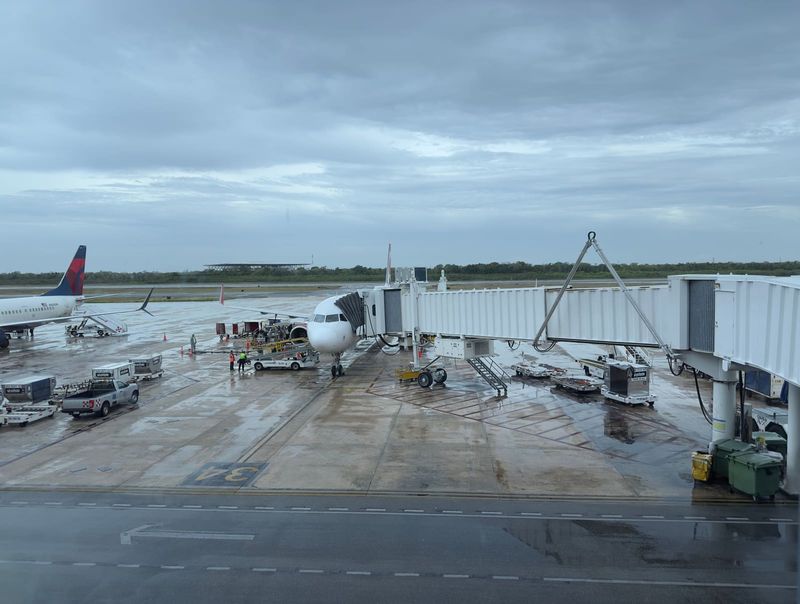
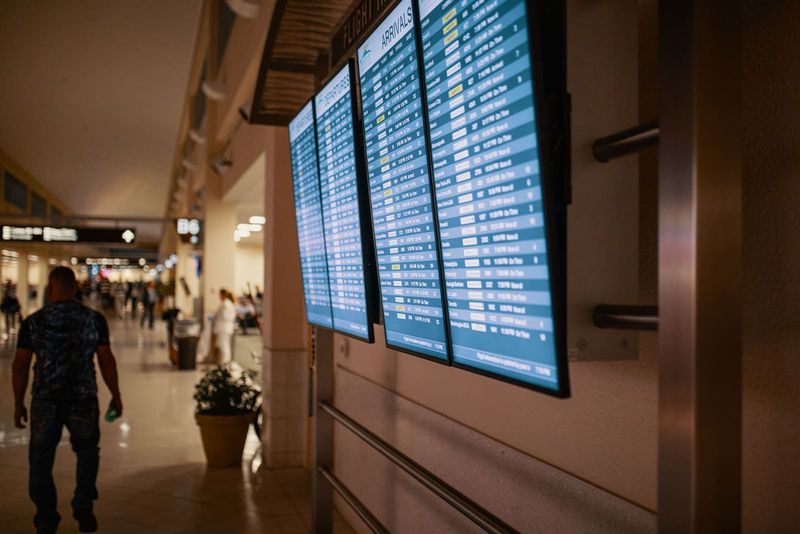
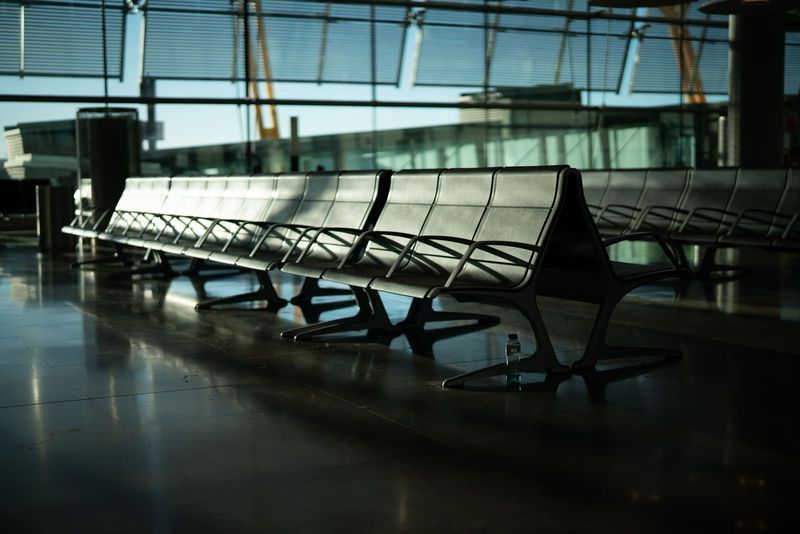
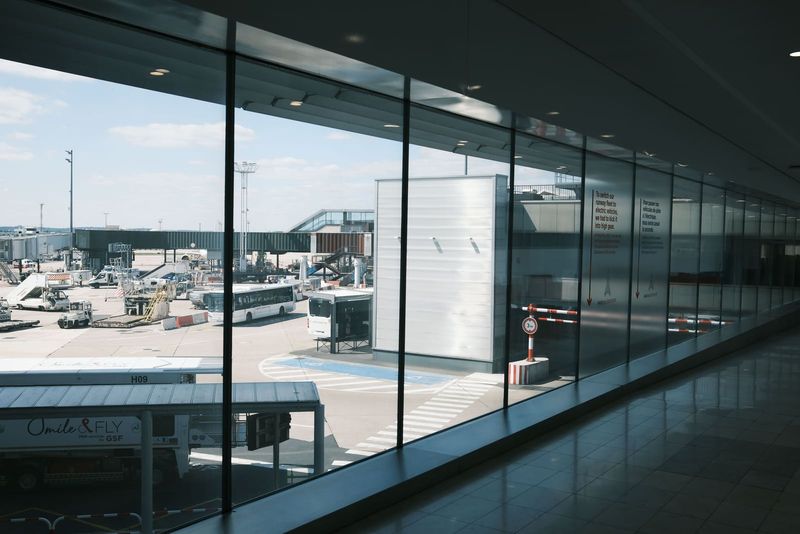
No airline or ground-handling company has confirmed specific walkouts, but previous general strikes in Spain have drawn participation from airport staff, cabin crew and air traffic controllers. Lufthansa Group, which operates Lufthansa, Swiss, Austrian, Brussels Airlines, Eurowings and Discover, has cautioned passengers to verify flight status before travelling. The carrier is offering free rebooking or refunds for those affected by cancellations.
Other airlines serving Spain have not yet issued formal advisories, though delays and last-minute schedule changes remain possible. Travellers booked on flights to or from Spanish airports on 11 November should monitor updates from their carrier and allow extra time for check-in and security, particularly in Madrid and Barcelona.
Rail and Metro Services Reduced
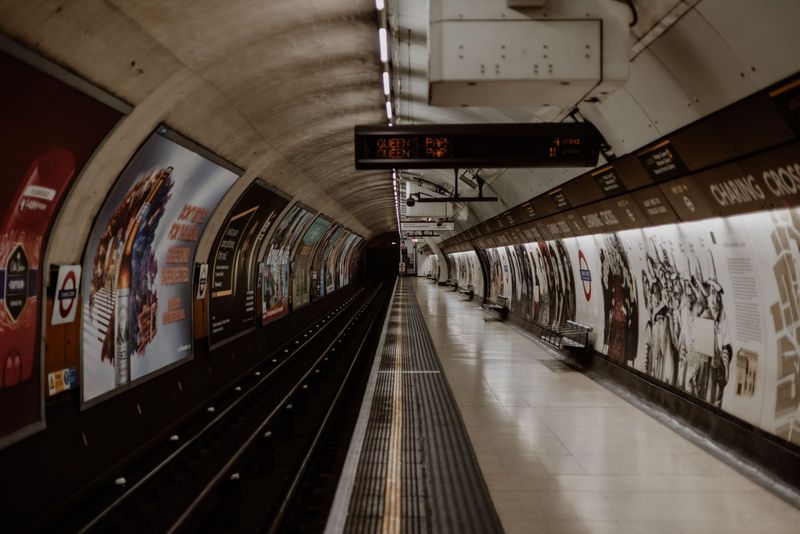
Public transport will run at minimum service levels during the strike. Renfe, Spain's state railway operator, and the high-speed AVE network are expected to scale back schedules significantly. Metro systems and local bus routes in major cities will also see reduced frequency.
The US Embassy in Spain advised confirming travel plans directly with train operators and airlines, noting that demonstrations can trigger sudden closures or cancellations. Museums, shops, restaurants and pharmacies may close for the day, so visitors should plan accordingly.
City Demonstrations and Road Access
Large gatherings are anticipated in Madrid and Barcelona, with the potential to block streets and slow road traffic. The UK government's travel guidance notes that demonstrations in Spain can occur with little notice and advises staying clear of areas where crowds are forming. Most protests remain peaceful, but localised disorder is possible.
Local authorities and police will manage crowd movements, and travellers should follow any instructions or diversions. If staying in a city centre, it may be worth delaying non-essential journeys until the evening, when most organised marches conclude.
Housing Pressure Fuels Union Action
The strike follows weeks of protests sparked by the eviction of an 87-year-old woman in Madrid who had occupied her home for seven decades. That case brought national attention to the strain on long-term tenants in cities where rising rents, gentrification and a shortage of affordable units have collided.
UGT stated that working people can no longer meet housing costs, while CCOO highlighted the difficulty millions face in paying rent or securing affordable accommodation. The unions argue that young workers, in particular, are unable to leave family homes because of the expense.
Spain's housing market has tightened in recent years as tourism-driven short-term rentals proliferate and investment capital flows into urban property. The political fallout has been significant, with housing emerging as a central issue in the forthcoming election campaign.
Rights and Recourse for Travellers
Passengers whose flights are cancelled or significantly delayed due to the strike may be entitled to rebooking, refunds or, in some cases, compensation under EU regulation 261/2004, depending on the circumstances and how much notice the airline provides. It is worth checking the carrier's policy and keeping receipts for any additional expenses, such as accommodation or alternative transport.
Those holding rail tickets can typically claim refunds or exchange them for travel on another date, though policies vary by operator. Contacting Renfe or the relevant regional railway in advance will clarify options and help avoid queues on the day.