Old Wires, New Problems
On Friday evening, the United States air traffic control system ground to a halt for more than four hours, the longest nationwide stoppage in a quarter-century. The culprit, according to the Trump administration, was a mismatch: new technology being added to the system proved too much for decades-old equipment to handle.
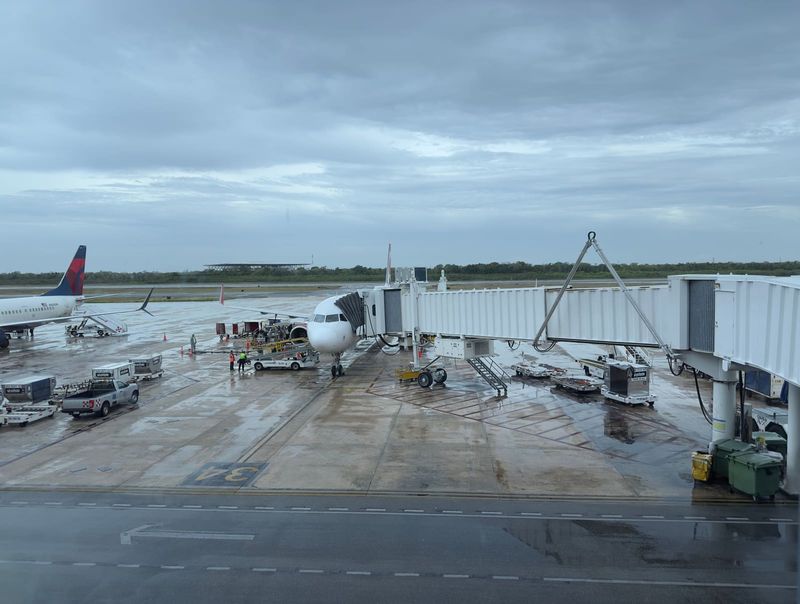
The overload caused intermittent communications and radar gaps between controllers and aircraft. With no reliable way to track or speak to planes in the air, the Federal Aviation Administration ordered a nationwide ground stop. More than 3,000 flights already airborne landed safely, but departures froze. The shutdown was lifted around 8.15pm Eastern Time, though officials warned the ripple effects would last for days.
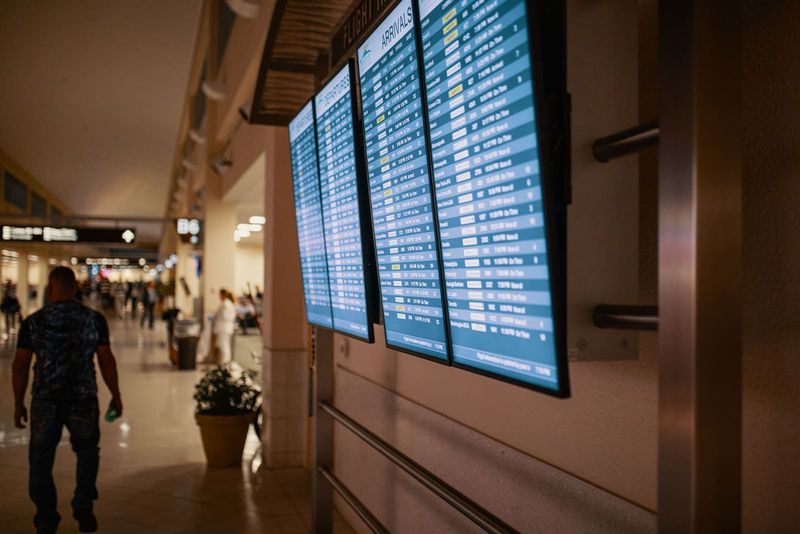
By Saturday, more than 2,500 flights had been cancelled across the country, with hundreds more delayed. Passengers camped out in terminals, sports teams scrambled for buses, and at least one 14-year-old's carefully saved-for surprise trip ended in tears at Dallas airport.
What Broke
The FAA has been replacing copper wiring with fibre optic lines and upgrading radio systems as part of an overhaul that began last year, funded by 12.5 billion US dollars approved by Congress. But Secretary of Transportation Sean Duffy made clear that the work is far from finished. He told reporters that the old legacy equipment failed, not the newly installed systems.
The agency is now seeking an additional 30 billion dollars to complete the modernisation. Duffy warned that similar disruptions could happen again. "We didn't think we would have this kind of outage. We did," he said. "You will have more of these."
The immediate cause was straightforward: adding new capacity to an ageing system pushed the old infrastructure past its limits. Aviation safety expert Steve Arroyo, a former United Airlines pilot, said the breakdown left controllers unable to communicate reliably with pilots. "If you don't have that ability, you've got to stop aeroplanes on the ground and not put them in the air, where you're going to risk not being able to communicate with them," he said.
Stranded
Emily Brown and her teenage daughter waited more than four hours at Dallas airport for a flight to Columbus, Ohio, before abandoning the journey. The daughter had saved her own money for the ticket to surprise a friend. Instead, she phoned that friend in tears from the terminal.
Ruth Coles sat on a plane at Los Angeles International Airport for over five hours after landing from Newark, waiting for a gate to open. The pilot kept reassuring passengers they were next in line.
Corbyn Wascher, a 37-year-old high school teacher, spent four hours on the tarmac at Charlotte Douglas International Airport before giving up on his flight home to Moline, Illinois. He took a 100-dollar taxi to a hotel and rebooked for Saturday. He said the flight attendants handed out water and snacks, visibly stressed but professional.
Sports teams felt the pinch too. Auburn University's American football team bussed to Mississippi State instead of flying, and the game start time was pushed back more than four hours. Other college teams, including Baylor, Washington, Kansas State and Minnesota, reshuffled travel plans. Duffy urged the NCAA to contact the FAA so the agency could prioritise flights for Saturday games.
A Pattern
This was the first nationwide ground stop since January 2023, when a separate FAA computer system that sends safety notices to pilots failed. Before that, the last full shutdown was after the 11 September 2001 attacks, though that event was different: planes were ordered to land immediately, and the cause was external, not technical.
Smaller-scale failures have become more common. In September, a regional air traffic control communication outage snarled hundreds of flights across the north-east after a construction crew accidentally cut a fibre optic line. Last year, ageing equipment caused brief radar outages that disrupted Newark airport.
The FAA's modernisation programme is meant to prevent exactly this kind of collapse. But the transition itself has introduced new risks. Duffy blamed Congress for not approving enough funding quickly enough, though he also acknowledged that the agency underestimated how fragile the old system had become.
What Happens Next
Limited domestic flights resumed on Friday night, but Saturday remained chaotic. The FAA expects the system to return to normal operation in time for the Thanksgiving travel rush, one of the busiest periods of the year in the United States.
Secretary of Homeland Security Markwayne Mullin emphasised that no one was in danger during the shutdown. All flights in the air landed safely, and the decision to halt departures was precautionary. But the scale of the disruption and the warning that more could follow have raised questions about how long the country's air traffic infrastructure can limp along on equipment installed decades ago.
Duffy was blunt: the new systems worked as intended. It was the old wiring and radio gear that couldn't keep up. Until the entire network is replaced, he said, travellers should expect more delays.