A Rare Full Stop
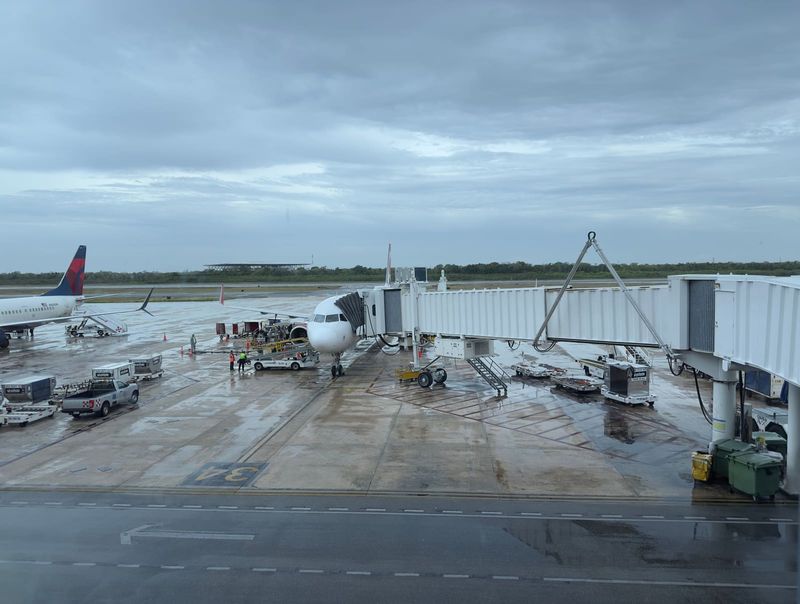
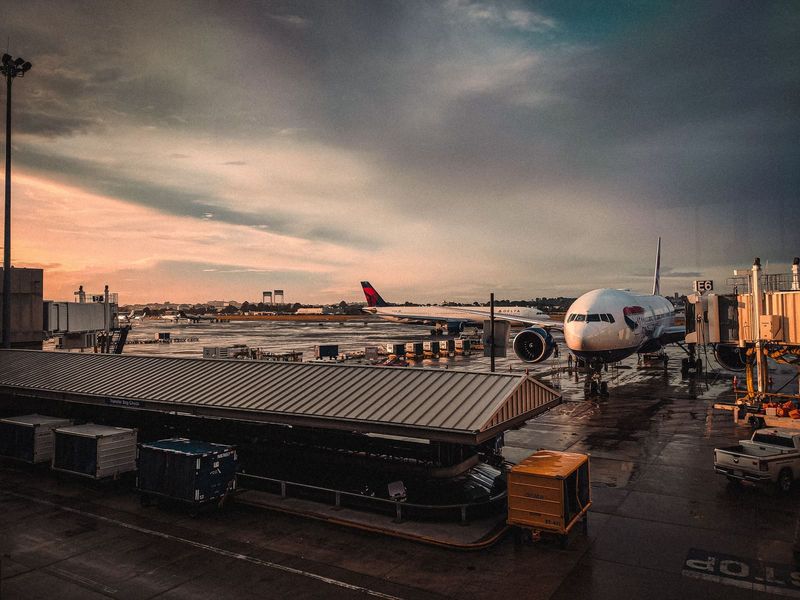
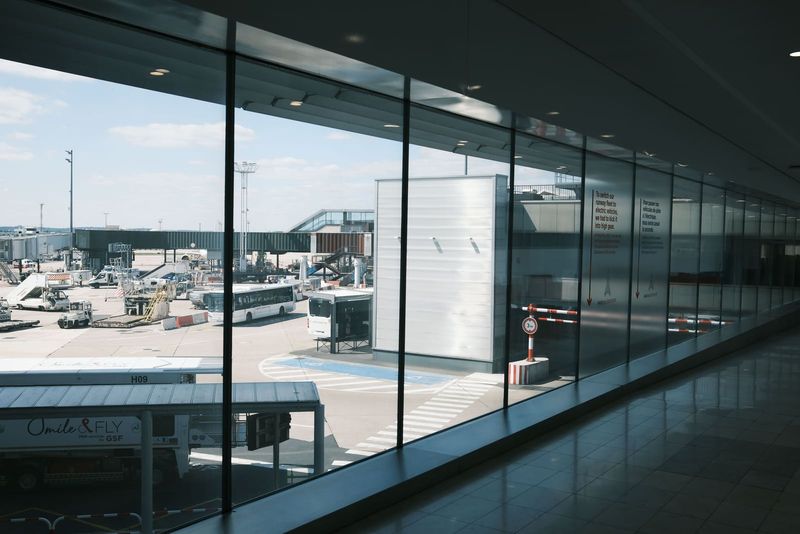
The Federal Aviation Administration brought all US departures to a standstill on Friday afternoon, citing what it described as extraordinary circumstances that warranted immediate action. The order affected every airport in the country and grounded planes at a scale seen only once before in the past two decades, outside the September 11 attacks.
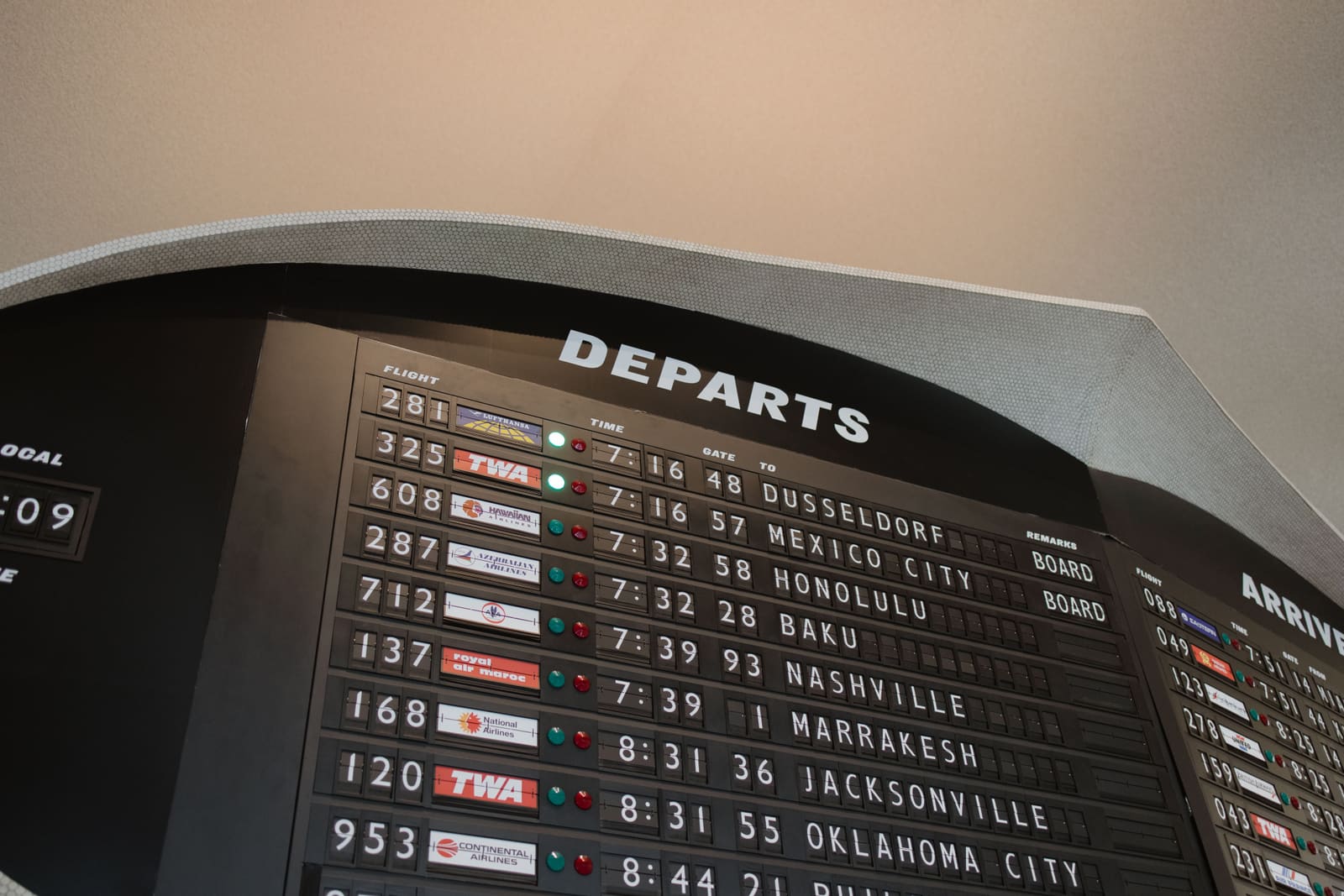
More than 30,000 flights had been on the schedule for the day. The disruption began with a pause on departures from Chicago after air traffic controllers reported problems with their communication systems. Within hours, the FAA extended the measure nationwide, telling airports to hold all outbound traffic until further notice.
Secretary of Transportation Sean Duffy said the decision followed a communication breakdown that hit all Air Route Traffic Control Centres, the facilities that manage aircraft once they leave the immediate vicinity of an airport. The agency's technical teams were examining the fault, though no timeline for resolution was given at the time of the announcement.
What Passengers Faced
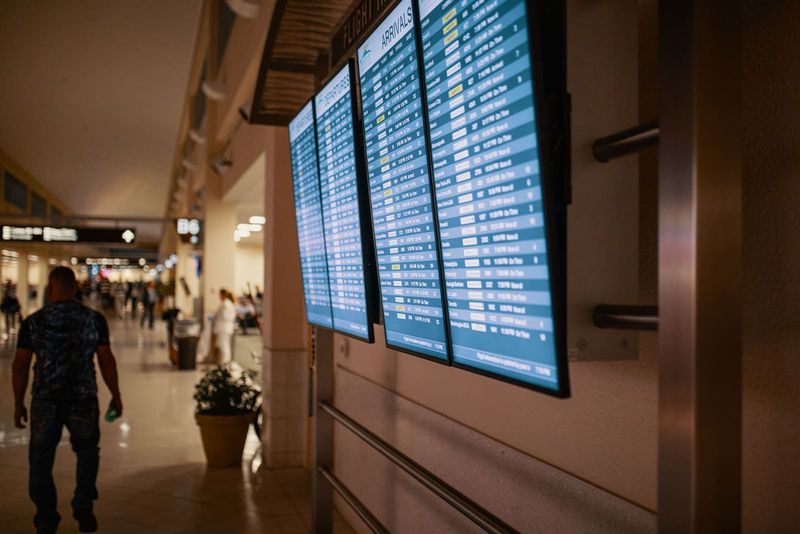
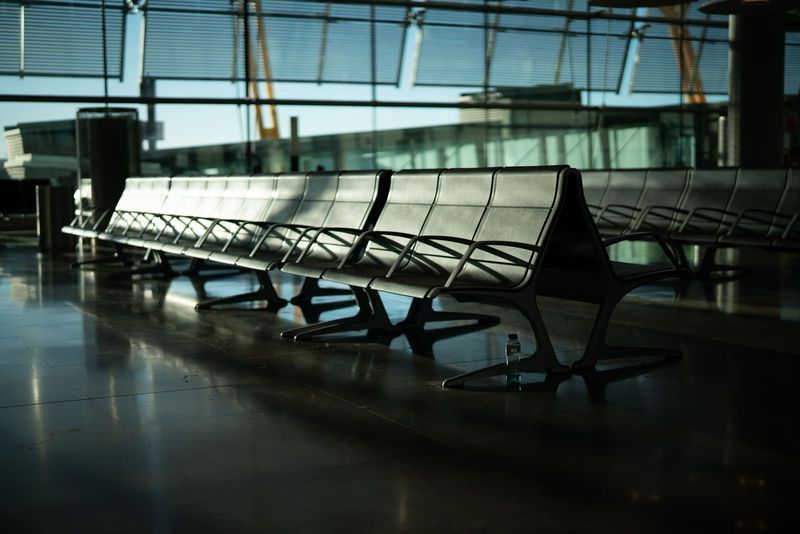
Terminals filled quickly. Images from New York's John F Kennedy Airport showed queues stretching through departure halls as travellers waited for information. International flights were being assessed individually, the FAA said, though it provided no detail on how those decisions would be made or how long the process might take.
For those already airborne when the order came through, the situation required quick thinking. Pilots in flight would have been searching for working radio frequencies to communicate with controllers and other aircraft, according to John Nance, an aviation analyst and former pilot. Standard procedures exist for these scenarios: crews can amend flight plans, divert to alternate airports, or continue to their planned destination if communication can be re-established and clearance obtained.
The FAA emphasised that every flight had been accounted for, a reassurance aimed at concerned families and a signal that the agency retained enough situational awareness to track aircraft despite the communication problems.
The Cyber Question
Homeland Security Secretary Markwayne Mullin addressed reporters outside the White House and acknowledged that investigators had not yet determined the cause. He said there was no indication of a deliberate attack but stopped short of ruling one out entirely. His message focused on reassurance: everyone at airports was safe, loved ones on planes were not in danger, and the event bore no resemblance to the 2001 terrorist attacks.
Mullin described the incident as a telecommunications outage, a characterisation that pointed toward technical failure rather than malicious interference. Yet the careful phrasing left room for further inquiry. Cyber security experts have long warned that aviation systems, particularly older communication networks, present potential vulnerabilities. Whether this event was purely accidental or had any digital fingerprints attached to it remained an open question as technicians worked through diagnostics.
President Donald Trump had been briefed, Mullin confirmed, though no statement from the White House followed immediately.
A System Under Strain
The FAA's infrastructure has been a point of concern for years. Much of the communication and navigation technology underpinning US airspace dates back decades. In 2023, a similar nationwide ground stop occurred, lasting less than two hours, after a problem with the Notice to Air Missions system, which distributes critical safety information to pilots. That incident also stemmed from ageing equipment and outdated software.
Congress approved $12.5 billion last year specifically to modernise the FAA's communications network. On the same day as Friday's ground stop, the agency and the White House submitted a request to Congress for an additional $30.1 billion to address other gaps in the system. The timing underscored the urgency: as air travel demand continues to recover and grow, the infrastructure supporting it is struggling to keep pace.
New York Governor Kathy Hochul said she had spoken with Port Authority officials and was seeking answers from federal agencies. Her statement reflected the broader uncertainty that hung over the situation, with state and local authorities largely in the dark about the scope and cause of the disruption.
What It Means for Travellers
Ground stops of this magnitude ripple outward for days. Even after the order is lifted, aircraft and crew are often out of position, leading to cascading delays and cancellations. Passengers booked on Friday flights faced immediate uncertainty, and those with weekend travel plans would likely encounter knock-on effects as airlines worked to reset their networks.
The incident also raises questions about contingency planning. Modern air travel depends on a web of digital systems, from radar and radio to scheduling software and weather data. When one thread snaps, the whole network feels it. For an industry that prides itself on safety through redundancy, a single point of failure that can halt the entire system is a sobering reminder of how interconnected, and therefore fragile, that system can be.
The FAA has not yet provided a timeline for when normal operations would resume. Until the root cause is identified and addressed, the risk of recurrence remains, and with it the possibility that another wave of disruption could hit an already stretched system.