A Direct Booking Path
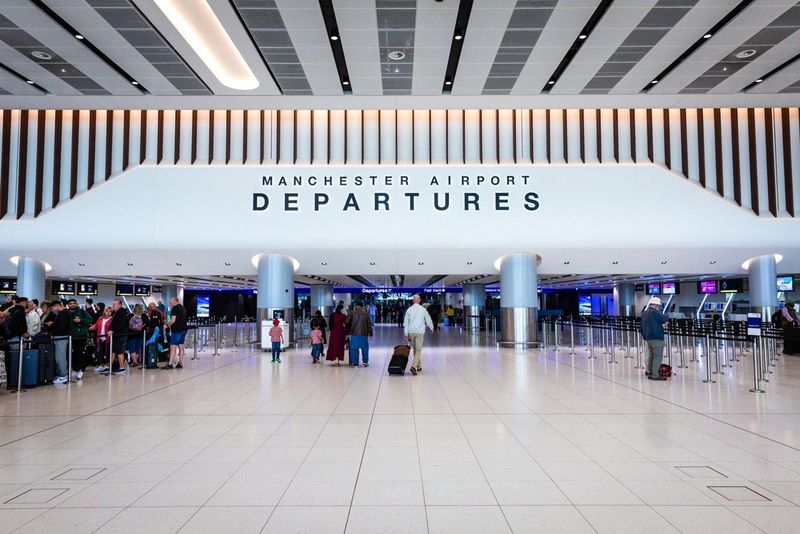
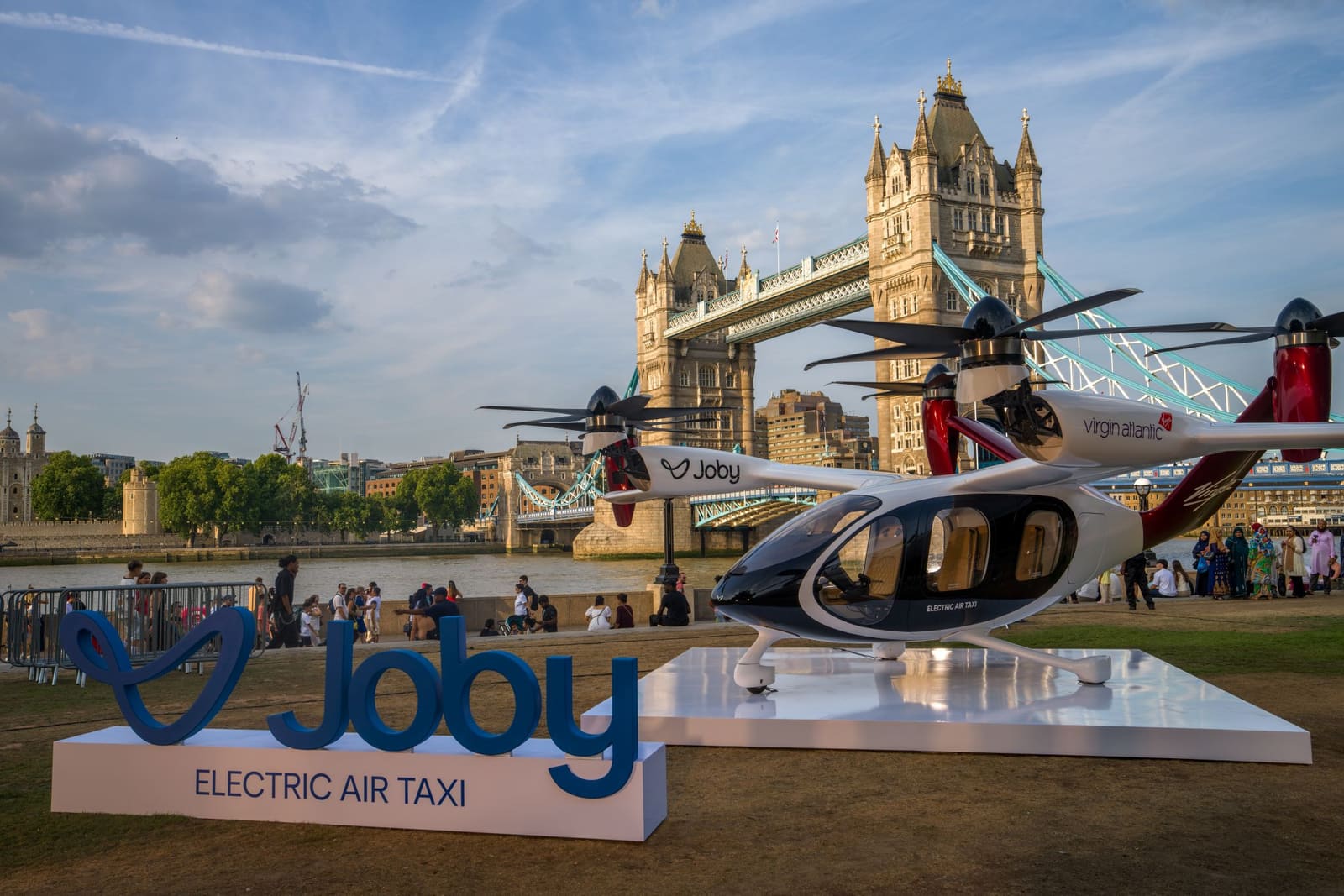
Virgin Atlantic and Joby Aviation finalized their partnership during the Farnborough International Airshow in late July, turning a 2025 announcement into a concrete operating agreement. The airline will list Joby's electric vertical take-off aircraft on its website and mobile app, allowing passengers to book an air taxi leg in the same transaction as their transatlantic flight. The arrangement targets the airline's hubs in London and Manchester, where ground connections to city centers can stretch past an hour during peak periods.
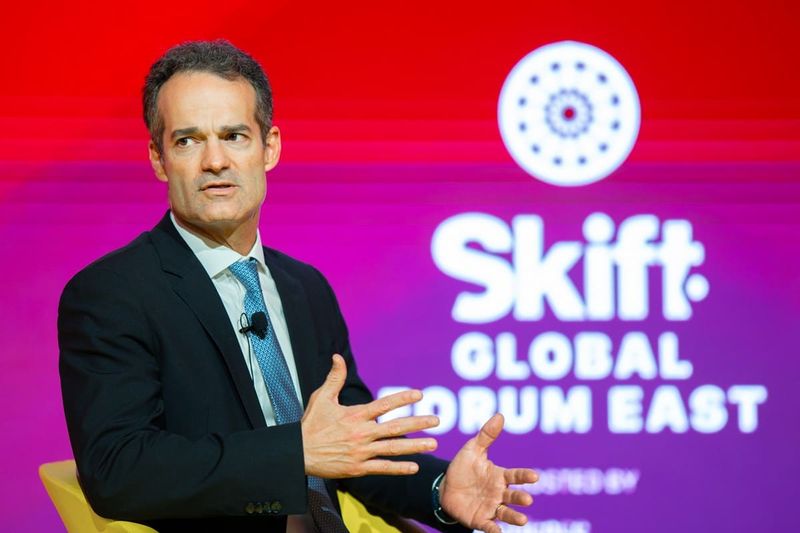
Corneel Koster, Virgin Atlantic's chief executive, described the deal as a natural extension of the carrier's positioning. The airline has long leaned into partnership structures, from its Delta-backed ownership to lounge-sharing agreements, and folding air taxi inventory into its digital channels follows that pattern. For travelers arriving on morning flights from New York or Los Angeles, the option to clear customs and lift off from an on-airport vertiport could compress total journey time by a meaningful margin.
Who Does What
The division of labor is straightforward. Virgin Atlantic handles customer acquisition, booking integration, and infrastructure coordination at both airport hubs. Joby retains full operational control, including route design, aircraft maintenance, pilot training, and regulatory certification with the UK Civil Aviation Authority. That separation keeps liability and safety oversight with the operator while giving the airline a commission-based revenue stream and a product differentiator in a crowded long-haul market.
Delta's 49 percent stake in Virgin Atlantic helps explain the timing. Joby already has a commercial agreement with Delta in the United States, and replicating that model across the Atlantic reduces negotiation friction. The UK market is large enough to justify the upfront investment in vertiport infrastructure and dense enough in the London-Manchester corridor to support multiple daily rotations.
Aircraft Specs and Route Economics
Joby's design uses six electric motors mounted on tilting booms. The configuration allows the aircraft to rise and descend vertically, then tilt forward for cruise flight. Maximum speed sits at 200 miles per hour, with a range of roughly 100 miles on a single charge. Each aircraft seats four passengers plus one pilot, and the company has optimized turnaround time to enable back-to-back flights without lengthy ground holds.
On the routes Virgin Atlantic is targeting, flight time shrinks dramatically compared to surface transport. Heathrow to central London would take about eight minutes in the air; Manchester Airport to Leeds drops to roughly fifteen minutes. Both journeys exceed an hour by car under typical traffic conditions. Whether that time saving justifies the fare premium depends on the traveler's schedule and budget, but the value proposition is clearest for business passengers connecting to meetings or premium leisure customers willing to pay for convenience.
Bonny Simi, Joby's president of operations, indicated that fares would align with Uber Black pricing. A Heathrow to central London trip would run between £100 and £120, or approximately $130 to $160. That figure sits well above a Heathrow Express ticket or black cab fare but undercuts traditional helicopter transfers, which often exceed £200 for the same route. The pricing suggests Joby is aiming for a segment that values time but remains cost-conscious, rather than chasing the ultra-premium helicopter market outright.
Certification and Timeline
The UK Civil Aviation Authority has signaled it expects to certify passenger-carrying electric vertical take-off and landing aircraft by the end of 2028. That timeline gives Joby roughly two years to complete airworthiness testing, demonstrate operational safety, and build out the vertiport infrastructure needed to support scheduled service. Neither Virgin Atlantic nor Joby has announced a firm launch date, but the 2028 certification window provides a rough outer boundary.
The regulatory path in the UK mirrors efforts underway in the United States, where the Federal Aviation Administration is working through a similar certification framework for electric vertical take-off aircraft. Joby has already completed test flights in New York, running trial routes between Manhattan and John F. Kennedy International Airport. Those trials feed data into both the US and UK approval processes, and the company's ability to operate in multiple jurisdictions will likely determine how quickly it can scale beyond launch cities.
What It Means for Airport Connectivity
If the service launches as planned, it will represent the first time a major European airline has integrated electric air taxis into its core booking experience. Other carriers have announced exploratory partnerships, but Virgin Atlantic's decision to embed the product in its digital channels moves the concept closer to routine passenger acceptance. The model depends on vertiport construction progressing in parallel with aircraft certification, a coordination challenge that has delayed similar projects in other markets.
For passengers, the appeal hinges on reliability as much as speed. A ten-minute flight loses its advantage if vertiport queues or weather delays add unpredictability. Joby's operational design emphasizes quick turnarounds and high dispatch reliability, but real-world performance will determine whether the service becomes a preferred connection or remains a niche option for travelers with flexible budgets and tight schedules.
The partnership also tests whether electric vertical take-off aircraft can achieve the utilization rates needed to cover infrastructure and operating costs. Helicopters have served airport-to-city routes for decades but remain a small share of total passenger movements because of noise, cost, and limited capacity. Joby's quieter propulsion and lower per-seat operating costs could expand the addressable market, but that outcome depends on regulatory approval, public acceptance, and the airline's ability to drive bookings through its existing customer base.
Virgin Atlantic's willingness to commit platform space and marketing resources suggests confidence in both the technology and the timeline. The airline operates in a competitive long-haul environment where service differentiation matters, and offering a seamless air taxi connection gives it a talking point that rivals flying the same routes cannot yet match. Whether that advantage translates into measurable revenue or simply raises customer expectations across the industry will become clearer once the first flights depart.