The Novel That Never Gets Opened
Most of us have carried a paperback through security with genuine optimism, certain we'll finally crack it open somewhere between departure and return. Reality usually looks different. Days fill with recommended cafes, must-see viewpoints, and walking tours that sounded essential when booked three months earlier. The book comes home with its spine still stiff.
A growing number of travelers are flipping that script. Instead of trying to wedge reading into the gaps between activities, they're building trips where sitting still with a story becomes the point. Not a retreat from the world, but a different way of moving through it.
The approach isn't complicated. Pick places where doing nothing for an hour doesn't feel wasteful. Choose somewhere to stay that you'd actually want to spend time in. Leave whole stretches of the day unscheduled. Bring books that connect to where you are. The result is travel that moves slower but somehow feels fuller.
Places That Don't Demand Constant Motion
Certain destinations practically insist you keep moving. Others make it easy to sit down and stay awhile. The difference isn't always obvious from guidebooks.
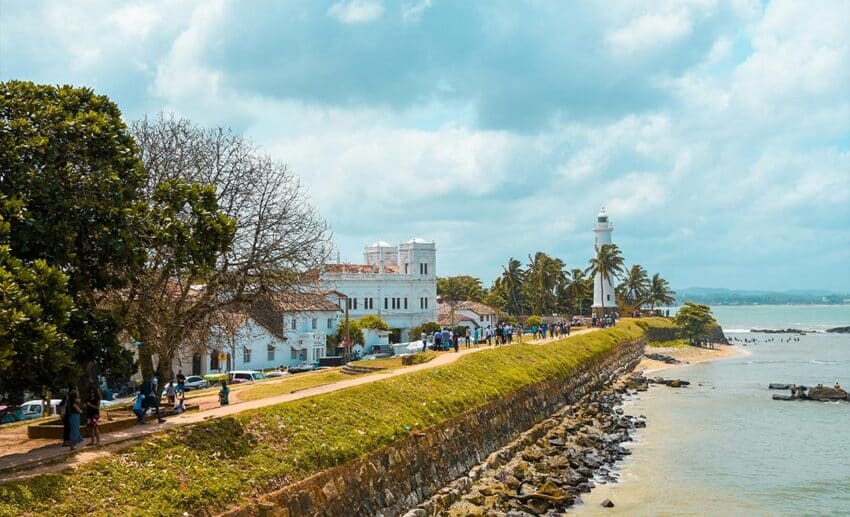
Ipoh rewards wandering between old shophouses and pausing at heritage coffee shops where time stretches out naturally. Luang Prabang's rhythm centers around temples and riverside cafes designed for lingering. Inside Galle's fort walls, sea breezes and shaded corners invite settling in. Jeonju's hanok villages offer quiet pockets away from main streets where an afternoon can disappear without effort.
These places share something beyond scenery. They don't make you feel like you're wasting your trip by sitting still. In fact, staying put often reveals details that constant movement obscures. The shop owner who waters plants at the same time each morning. The way light shifts across old walls. Conversations you'd miss if you were rushing toward the next pin on your map.
Where You Sleep Actually Matters
On most trips, accommodation is utilitarian. Somewhere to shower and collapse before heading back out. When reading becomes part of the plan, those four walls gain importance.
Look for verandas wide enough for a chair and side table. Gardens where you can sit under trees. Window seats that frame something worth looking at for more than thirty seconds. Some boutique properties maintain small libraries stocked by previous guests, creating accidental literary exchanges between strangers passing through.
Even basic rooms work if they offer good natural light and a chair positioned somewhere other than directly facing the television. The test is simple: would you genuinely want to spend three hours here in the middle of the afternoon? If the answer involves feeling trapped or restless, keep looking.
Building in Breathing Room
Traditional itineraries pack activities into neat blocks, maximizing daylight hours. That structure works for certain trips. For others, it guarantees exhaustion.
Try sketching out days with large blank spaces instead. A morning walk before streets get crowded. Coffee whenever you're ready. Time to read until hunger or curiosity pulls you elsewhere. Lunch that might stretch into people-watching. Another chapter. Dinner somewhere that looked appealing when you passed it earlier.
This isn't laziness disguised as planning. It's acknowledging that some of travel's best moments arrive unannounced. The conversation with a shop owner. The neighborhood festival you stumble into. The realization that you've been watching street life for forty minutes without touching your phone.
Schedules crammed with back-to-back activities leave no room for those accidents. Blank space creates the conditions where they can happen.
Reading That Connects to Ground Beneath Your Feet
One of the quieter pleasures starts before departure: choosing what to bring. Let location guide those choices.
Tokyo trip? Pack something by a Japanese writer. Coastal Tasmania? A maritime story gains weight with salt air nearby. Time in Kuching? Seek out Malaysian authors from Borneo, or wait and browse what local bookshops stock.
There's no need to research destinations through literature beforehand. Better to discover those connections after arrival. A novel by someone who knows a place from the inside often surfaces details guidebooks miss entirely. Street names that carry meaning. Seasonal foods. The unspoken rules of how people move through shared space.
The Bookshops No One Photographs
Every city promotes its famous sites. The most revealing stops often happen in small bookshops tucked down side streets.
Independent sellers, secondhand stalls, book cafes, and neighborhood lending libraries show you what a community reads, which voices fill local shelves, and what conversations matter beyond tourist circuits. You learn more about a place in twenty minutes browsing those shelves than in an hour at many official attractions.
Even leaving empty-handed, you'll walk out understanding the neighborhood differently. If you do buy something, it becomes a souvenir tied to a specific moment and location rather than generic merchandise.
Small Rituals That Exist Only While Away
Part of the appeal lies in inventing traditions that only make sense during the trip itself.
Read one chapter before breakfast each day. Find a different spot daily: botanical garden one afternoon, lakeside bench the next, a quiet bar during rain. Use postcards as bookmarks. Collect shop receipts between pages. Keep a separate notebook for lines that stick.
Some travelers pair each reading session with whatever locals drink. Vietnamese egg coffee one morning, Taiwanese oolong the next, thick Spanish chocolate another day. Years later, those flavors carry entire trips back in a single sip. The book and the place become inseparable in memory.
Permission to Skip Things
The hardest part might be accepting that you won't see everything. That some recommended attraction will remain unvisited because you were deep in a chapter you couldn't abandon.
You might spend an entire evening by the pool finishing a novel as daylight fades. You might choose a park bench over a museum because the story in your hands feels more urgent than the one behind glass.
Neither makes the trip less valuable. Often those slower moments lodge deepest in memory. Not every landmark visited, but the courtyard where you finished something brilliant. The window seat during an afternoon storm. The bench overlooking water where a book's final pages aligned with sunset.
We tend to measure successful travel by volume. How much ground covered, how many sites checked off. But travel can also be about depth. About staying in one neighborhood long enough to recognize faces. About conversations that develop over multiple visits to the same cafe. About the space between scheduled activities where real discovery happens.
A Different Kind of Return
Trips designed around reading don't require remote cabins or week-long disappearances. A weekend works. Three days in a nearby city. Even an overnight stay somewhere that offers a good chair and a view.
The shift isn't about duration. It's about intention. Choosing destinations that reward stillness as much as movement. Staying somewhere you'd want to spend time, not just sleep. Building schedules loose enough to allow detours and delays. Bringing stories that connect to the ground beneath your feet.
What comes back with you isn't just a finished book or a list of attractions. It's the memory of reading something wonderful in a place that mattered, the two experiences braided together in ways that last long after both trip and story end.