Unprecedented Scale
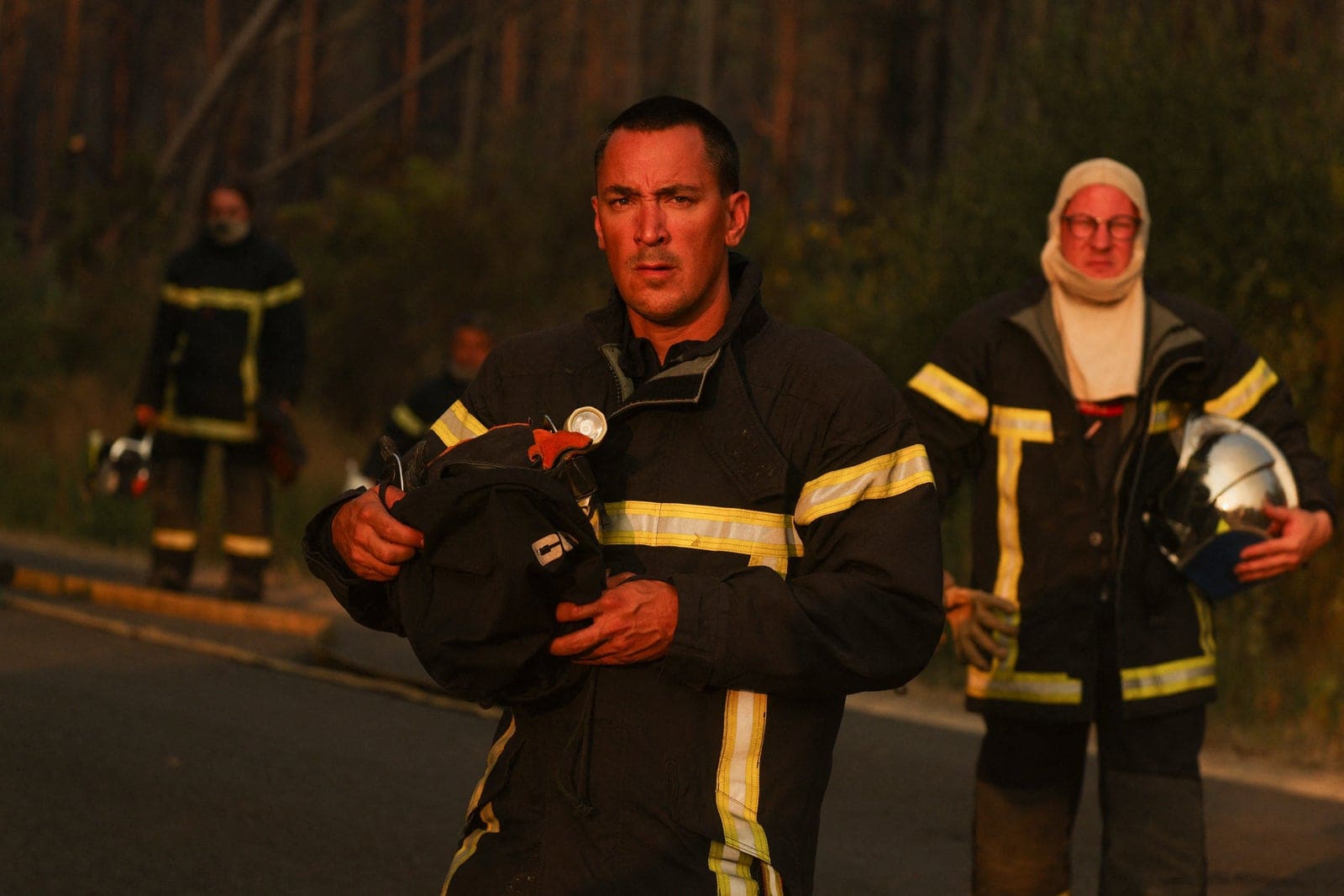
Wildfires tearing through Spain and France have displaced more than 300,000 people, prompting officials to warn that the crisis has reached levels never before recorded. The scale of the emergency has led authorities in France to consider a total evacuation of Bordeaux, a city of nearly 800,000 residents in its metropolitan area.
French Prime Minister Sebastien Lecornu described the situation in stark terms, noting that the fires have surpassed anything the country has experienced historically. The French military has been mobilized to support firefighting efforts, while the European Union has deployed aircraft and helicopters to assist with containment.
In Spain, Madrid regional president Isabel Díaz Ayuso called the blaze the worst fire in the region's history. A combination of extreme heat, strong winds, and multiple fires merging into larger fronts has created conditions that have overwhelmed traditional firefighting resources.
Where the Fires Are Burning
The Spanish fires have concentrated in Madrid and Avila, prompting the national government to declare a state of emergency. Additional wildfires have been reported in other inland regions, though specific locations remain fluid as conditions change.
France is grappling with major fires in the Gironde department, particularly around Saumos, Le Porge, and Lège-Cap-Ferret. A separate blaze is burning in Landes, affecting Biscarrosse and surrounding communities. French authorities have evacuated campsites, tourist accommodations, and residential neighborhoods as the fires advance.
Road closures have been implemented with little notice in affected areas, and access restrictions may change rapidly depending on fire behavior and wind patterns.
What Travelers Should Know
The UK government has updated its travel advisories for both countries, urging visitors to avoid traveling through fire-affected zones in Madrid and Avila. Those already in Spain are being told to follow instructions from local authorities and emergency services at all times and to call 112 for emergency assistance.
For travelers in or heading to France, the guidance is to monitor local media, follow directions from French authorities, and confirm plans with accommodation providers or travel companies before departing. The Prefecture has established a public information line operating from 9am to 5pm at +33 (0)9 70 80 90 40, with option 1 dedicated to Gironde inquiries.
France also maintains an online wildfire tracking map that shows active fires in real time, giving travelers a way to assess conditions in areas they plan to visit.
Those planning overland travel between France and Spain, or between Spain and Gibraltar, are advised to check current conditions for all regions they will pass through, as fires can spread quickly and affect transit routes.
The Broader Context
The fires come amid a summer marked by intense heat waves and drought conditions across southern Europe. High temperatures dry out vegetation, creating fuel for fires, while winds can spread flames rapidly across large areas. When separate fires merge, as has happened in Madrid, they create mega-fires that are far more difficult to control.
The involvement of military forces and international aid signals that local and regional firefighting capacity has been stretched beyond normal limits. The potential evacuation of a major city like Bordeaux would mark an extraordinary step, reflecting both the severity of the immediate threat and the difficulty authorities face in predicting fire movement.
For travelers, the situation underscores the importance of staying flexible. Summer travel in fire-prone regions now carries risks that were once considered rare or unlikely. Checking conditions daily, maintaining contact with accommodations, and having backup plans are no longer optional precautions but essential parts of trip planning.
The fires also raise questions about the long-term viability of peak-season travel to areas increasingly vulnerable to extreme weather. As climate patterns shift, the window for safe travel may narrow, or travelers may need to accept greater uncertainty when booking trips months in advance.