A New Gateway Opens
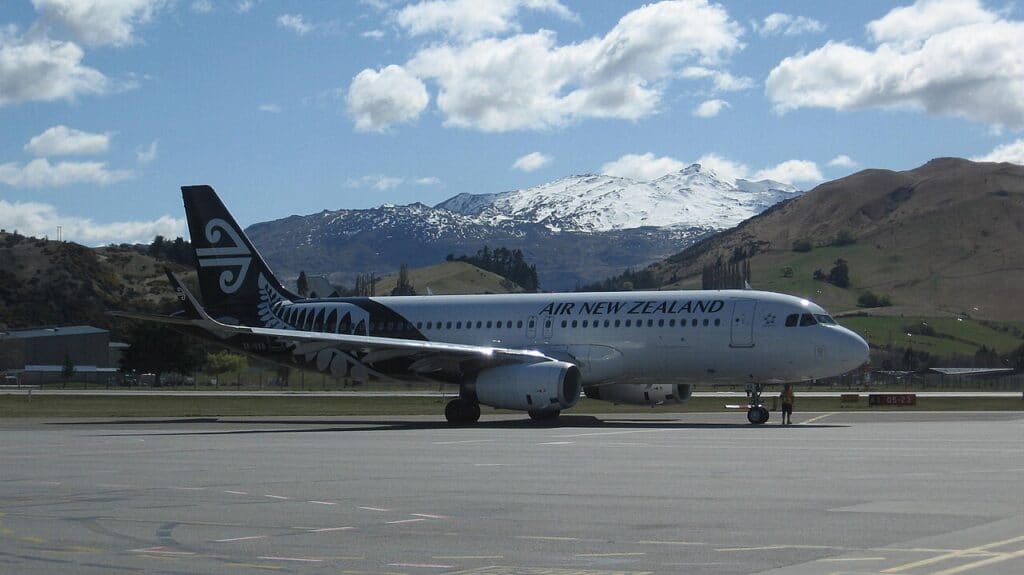
Western Sydney International Airport will welcome its first international carrier when Air New Zealand begins Auckland flights on October 26. The three-times-weekly service targets a population of more than 2.5 million people living in Sydney's western suburbs, many of whom face long drives to the existing Kingsford Smith hub.
The airline already serves central Sydney. This second route reflects confidence in Western Sydney's growth and the demand for shorter, more convenient airport access in a region that stretches toward the Blue Mountains.
Schedule Built for Quick Trips
Air New Zealand will operate Mondays, Wednesdays, and Fridays using Airbus A320 and A321 narrowbodies. Flights leave Auckland at 6:00 am and land at 7:45 am local time; the return leg departs at 8:55 am and touches down in Auckland at 2:10 pm. The timing suits business travelers squeezing in same-day meetings and leisure passengers chasing long weekends.
One-way fares start at NZD 319 for seat-only bookings, with tickets now available through the airline's website. The pricing positions the route as a no-frills connector rather than a premium service.
Why Western Sydney Matters
Western Sydney has quietly become one of Australia's most dynamic regions. Population growth outpaces much of the country, driven by young families, immigrant communities, and infrastructure investment. A significant share of residents have ties to New Zealand, making trans-Tasman travel a regular need rather than an occasional holiday.
Until now, those travelers have had to navigate peak-hour traffic to reach Kingsford Smith, often adding two hours to a short international journey. The new airport cuts that burden and opens direct access to a customer base the aviation industry has largely underserved.
Kath O'Brien, who leads Air New Zealand's Australian operations, noted the route strengthens both business links and tourism flows. For New Zealanders, it means easier visits to family or day trips to the Blue Mountains. For Sydneysiders, it creates a gateway to New Zealand's South Island, Pacific connections, and Star Alliance onward flights to North America and Asia.
What the Airport Offers
Western Sydney International Airport has positioned itself as a modern alternative to the congested Kingsford Smith site. The terminal features digital check-in, streamlined security, and views across to the Blue Mountains. Retail and seating areas include charging stations, and the facility operates around the clock.
Simon Hickey, the airport's chief executive, pointed to steady growth in Australia-New Zealand travel. The two countries represent each other's largest inbound market, and passenger numbers have climbed year after year. That trend underpins the business case for dedicating capacity to this single route before other international carriers arrive.
Air New Zealand brings a fleet with an average age under 10 years and a safety record recognized by AirlineRatings.com, which named it the world's safest airline for 2025. The carrier's network spans New Zealand's domestic routes, Australia, the Pacific, and long-haul destinations in Asia and North America.
Regional Impact and What Comes Next
The Auckland service is a test case for Western Sydney's ability to attract international traffic. If demand holds, other trans-Tasman carriers and low-cost operators may follow. The airport's 24-hour clearance and lack of curfew restrictions give it an edge over Kingsford Smith, where night-time slot limits have constrained growth for years.
For the region's economy, direct international flights signal maturity. Business travelers save time, tourists spend locally, and the airport itself becomes an employer and infrastructure anchor. The cultural ties between Australia and New Zealand add a layer of demand that transcends leisure cycles, providing a stable base load even when discretionary travel softens.
Air New Zealand's commitment also validates the broader Western Sydney investment story. Governments and developers have poured billions into roads, rail, and commercial zones around the airport precinct. An international carrier choosing to launch here, rather than waiting for the facility to prove itself, accelerates that momentum.
Counting Down
With fewer than 100 days until the first flight, the focus shifts to logistics: staffing the terminal, coordinating customs and immigration, and ensuring ground handling runs smoothly. Air New Zealand has experience opening new routes, but this one carries symbolic weight as the airport's international debut.
For passengers, the appeal is straightforward: shorter drives, faster processing, and a direct link to Auckland's shops, harbors, and onward connections. Whether that translates into sustained demand will depend on pricing discipline, schedule reliability, and how quickly other carriers add competing or complementary routes.
Western Sydney has waited years for its own international gateway. Air New Zealand's Auckland service is the first tangible payoff, and the pressure is on to make it work.