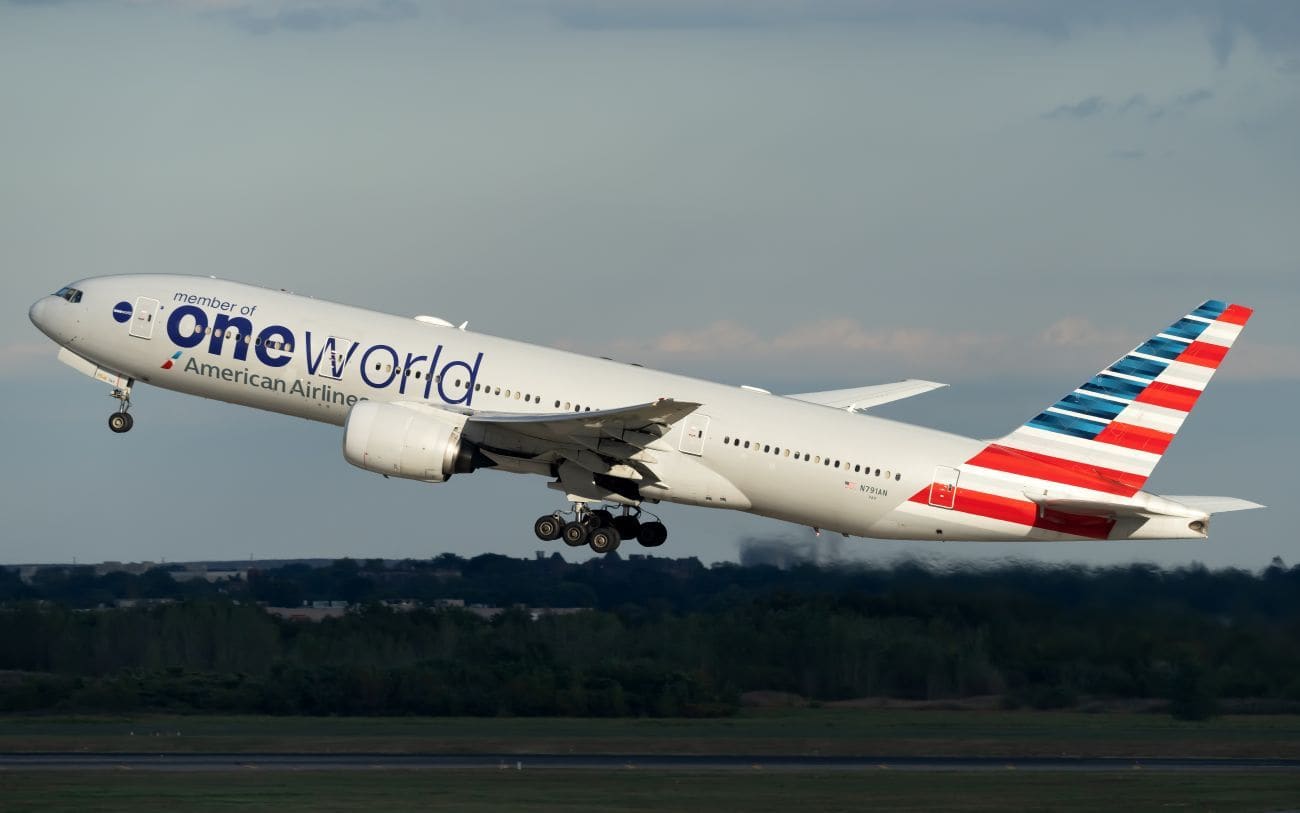
Philadelphia Takes Center Stage
American Airlines is building out its Philadelphia hub as a European gateway, with three new routes slated for summer 2027. The carrier will launch service to Vienna, Reykjavik, and Porto, according to American Airlines, part of a broader push to win back high-spending travelers who have gravitated toward Delta and United in recent years.
The Vienna route is particularly notable. American will be the sole U.S. carrier flying directly to Austria's capital, giving it a monopoly on nonstop service to a city that blends business demand with cultural tourism. That kind of exclusivity can command higher fares, especially in premium cabins, and it gives American a foothold in Central Europe that its competitors lack.
Reykjavik represents a do-over. American ran flights from Dallas-Fort Worth to Iceland's capital until 2019, then shelved plans to restart the route from Philadelphia when the pandemic hit. Now the carrier is trying again, launching the service in May 2027. Iceland has become a popular stopover destination for travelers heading between North America and Europe, and low-cost carriers like PLAY and Icelandair have built business models around connecting traffic. American's entry suggests it sees room for a full-service alternative, though the seasonal nature of Iceland travel means the route will likely operate only during warmer months.
Porto rounds out the trio. Portugal's second city has grown in appeal among travelers looking for a less crowded alternative to Lisbon, and American already serves Lisbon from multiple U.S. cities. Adding Porto gives the carrier two Portuguese gateways and taps into rising interest in northern Portugal's wine country and coastline.
The Premium Push
The new routes come as American overhauls its in-flight products to attract travelers willing to pay for comfort. The carrier has lagged Delta and United in premium revenue, and closing that gap is central to its strategy for improving profitability.
American has been retrofitting aircraft with updated business-class seats, refreshing lounges, and tweaking its loyalty program to reward higher spenders. The changes are expensive and take time. Delta and United have already rolled out many of their premium upgrades, giving them a head start in capturing corporate accounts and affluent leisure travelers.
Philadelphia's geographic position helps. It sits closer to Europe than many other U.S. hubs, which means shorter flight times and lower fuel costs. That efficiency matters when operating routes with uncertain demand, like Vienna or Porto, where American is testing the waters rather than jumping in with multiple daily frequencies.
Competitive Context
American's moves come as U.S. carriers race to lock in summer 2027 bookings. Transatlantic capacity has rebounded from pandemic lows, and airlines are jockeying for the most lucrative routes. Delta has focused on expanding from its Atlanta and New York hubs, while United has leaned into its Newark and San Francisco gateways.
American's Philadelphia hub has historically been strong for European service, but the carrier has faced pressure at other key markets. United dominates Chicago O'Hare, and Delta holds a commanding lead in New York. Philadelphia offers American a chance to build a differentiated network without directly competing in markets where rivals have entrenched advantages.
The carrier also announced plans to launch a Chicago-Tokyo route, though details remain sparse. That route would put American head-to-head with United at O'Hare, where United has long held the upper hand in Asia-Pacific service. Whether American can carve out a sustainable presence on that route depends on its ability to attract both corporate contracts and premium leisure travelers, two segments where United has invested heavily.
The Profitability Question
American has struggled with profitability compared to Delta and United in the post-pandemic period. Both rivals have reported stronger margins and higher revenue per passenger, driven in large part by premium cabin performance. American's leadership has acknowledged the gap and outlined plans to close it, but execution has been uneven.
The European expansion is part of that effort, but it carries risk. Adding routes requires upfront investment in marketing, airport slots, and crew resources. If demand falls short, American could find itself operating unprofitable flights that drain resources from stronger markets. Vienna and Porto, in particular, are gambles. Neither city has seen robust demand from U.S. travelers in the past, and American will need to stimulate interest through pricing and partnerships.
Reykjavik is less risky, given Iceland's established appeal, but American will face competition from Icelandic carriers that have built loyal followings among budget-conscious travelers. American's full-service model, with higher fares and more amenities, needs to convince travelers that the extra cost is worth it.
What It Means for Travelers
For passengers, the new routes offer more options. Vienna's addition as a nonstop destination from the U.S. eliminates the need to connect through Frankfurt, Munich, or Zurich. That saves time and reduces the hassle of changing planes, especially for travelers with tight schedules or those hauling luggage.
Reykjavik's return gives travelers another carrier choice, which can drive down fares if competition heats up. Porto's addition makes northern Portugal more accessible, though travelers should expect seasonal service rather than year-round flights.
The broader question is whether American's premium upgrades will deliver a noticeably better experience. Travelers have become skeptical of airline promises, especially when retrofits and service improvements roll out slowly. If American can deliver on its commitments, the new routes could become popular. If the experience falls short, passengers will stick with Delta or United, and American's investment will struggle to pay off.
For now, the routes signal ambition. Whether that ambition translates into sustained profitability and passenger loyalty remains to be seen.