Ash Cloud Forces Multi-Day Closure
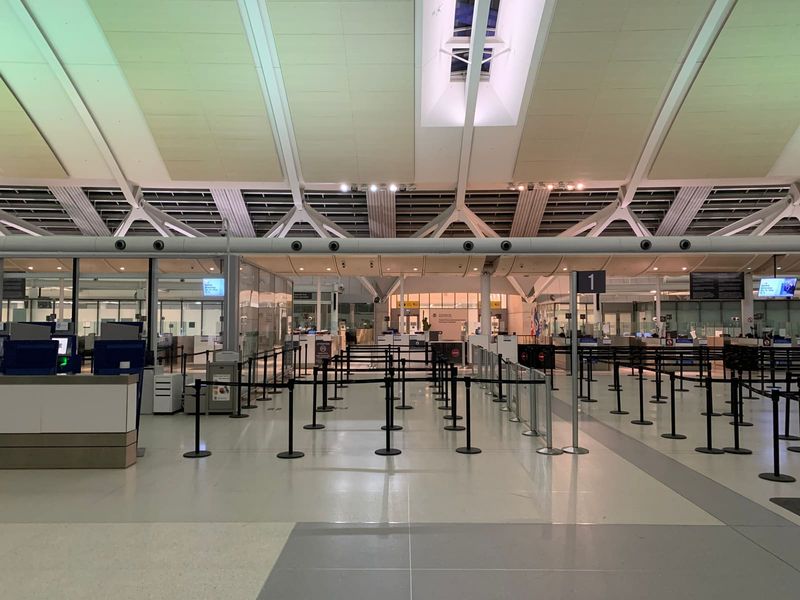
Indonesia's Soekarno-Hatta International Airport in Jakarta reopened shortly after midnight on Tuesday, 8 September, ending a multi-day closure triggered by eruptions from Anak Krakatau. The volcano began erupting late Friday, sending lava fountains into the air and producing an ash plume that blanketed the region. Four other airports also suspended operations before reopening alongside Jakarta's main gateway.
The disruption affected nearly 3,000 flights and left more than 340,000 passengers stranded. Indonesia's Transportation Ministry offered full digital refunds to those whose flights were cancelled and arranged free ground transport to five alternative airports in Kertajati, Semarang, Juanda, Yogyakarta and Solo.
The reopening does not signal an end to the crisis. Anak Krakatau erupted three more times on Tuesday, and Indonesia's Geological Agency has warned that further eruptions remain highly likely. Transport Minister Dudy Purwagandhi said authorities cannot predict when the volcanic activity will subside because of shifting weather conditions.
Why Ash Poses a Critical Threat
Volcanic ash is among the most dangerous hazards for aviation. Aircraft engines ingest silicate particles that melt under extreme heat, forming a glass-like coating on turbine components. This can restrict airflow, damage critical systems and cause engines to lose power mid-flight.
During the airport closures, authorities conducted tests every 30 minutes to track whether the ash was dispersing or accumulating. The ash cloud reached approximately 6,000 metres on the Java side and 15,000 metres on the Sumatra side, according to Indonesia's meteorological agency BMKG. It also drifted into Banten, a province in western Java.
Shipping traffic in the Sunda Strait has been disrupted as well. Authorities established a three-kilometre exclusion zone around the volcano and urged people to stay away, though no tsunami warning is currently in effect.
A Volcano Born from Catastrophe
Anak Krakatau translates to "Child of Krakatoa." The island emerged from the ocean within the caldera left behind when the original Krakatoa was largely destroyed by a catastrophic eruption in 1883. That eruption was one of the deadliest and most powerful volcanic events in recorded history.
The volcano sits in the Sunda Strait, roughly halfway between Java and Sumatra. In 2018, part of Anak Krakatau collapsed during an eruption, triggering a tsunami that killed more than 400 people and displaced thousands. The collapse removed a large portion of the volcano's southwestern flank, reducing its height significantly and altering its structure.
The latest eruptions have not triggered a tsunami, but the 2018 event underscores the broader risks the volcano poses beyond aviation disruption. Authorities have kept Anak Krakatau at its second-highest warning level and continue to monitor seismic activity closely.
Health Risks on the Ground
Residents in affected areas have been advised to wear masks to protect their airways. Volcanic ash contains abrasive particles of rock and minerals that can irritate tissues, causing a runny nose, sore throat and breathing difficulties in the short term. Longer exposure or repeated contact carries greater risk, particularly for people with pre-existing respiratory conditions such as asthma or chronic obstructive pulmonary disease.
Health authorities recommend that anyone exposed to volcanic ash avoid strenuous activity, move to cleaner air as quickly as possible, rinse their mouth and nose with clean water and monitor their breathing. Medical attention should be sought if severe respiratory distress develops.
The ash has settled over populated areas in western Java, complicating daily life for residents. Schools in some districts remained closed on Tuesday, and outdoor markets were largely deserted as people stayed indoors to avoid exposure.
What Comes Next
The resumption of flights brings relief to airlines and passengers, but uncertainty remains. The volcano's unpredictability makes it difficult for carriers to plan schedules with confidence, and further eruptions could force new closures.
Indonesia sits on the Pacific Ring of Fire, a belt of seismic and volcanic activity that encircles much of the Pacific Ocean. The country has more than 120 active volcanoes, and eruptions are a recurring challenge for its aviation sector. Airports in regions near active volcanoes maintain contingency plans, but large-scale disruptions like this one test the limits of those preparations.
For now, flights are operating again, but passengers travelling through Jakarta and nearby airports should expect continued monitoring and the possibility of short-notice changes.