Weekend Travel Grinds to Near Halt
Travelers planning weekend trips between London and cities across the Midlands will face sharply limited options in August. Workers at East Midlands Railways will walk off the job for 24 hours on three consecutive Saturdays starting August 1, with repeat strikes on the 8th and 15th.
The National Union of Rail, Maritime and Transport Workers called the action after negotiations collapsed over what the union describes as safety defects in a new fleet of trains. East Midlands Railways has told passengers to travel only if necessary and to verify their journey status before leaving home.
On strike days, the operator will run a skeleton timetable from 7am to 7pm on its Intercity and Connect routes. Frequency will drop to roughly one train per hour between London St Pancras and destinations including Nottingham, Sheffield, and Corby. Regional services are expected to run normally.
The Safety Dispute
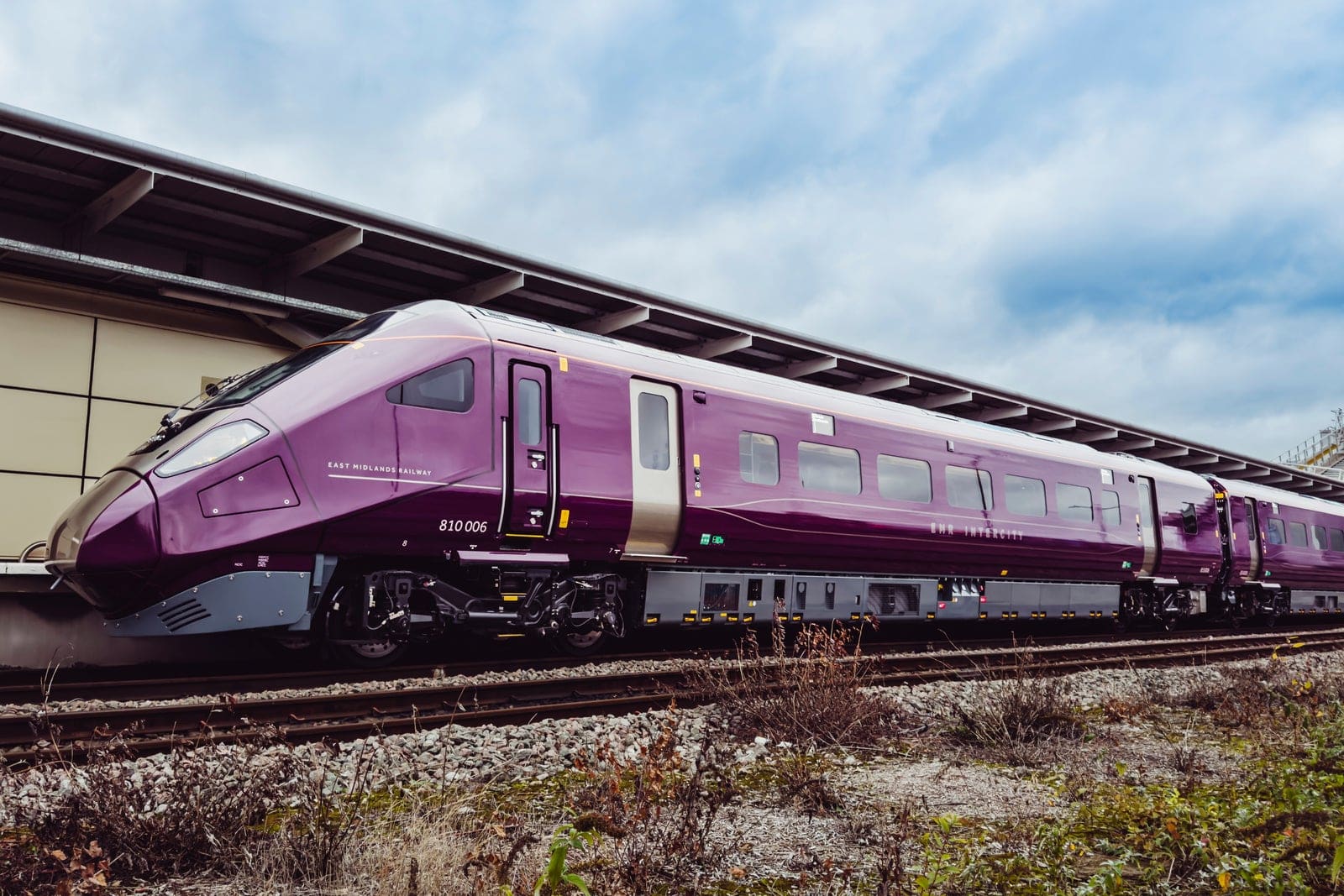
At the center of the conflict sits the Class 810 Aurora fleet, manufactured by Hitachi. The RMT argues the trains have been put into service despite recurring faults that compromise safety systems.
According to the RMT, trains have experienced full resets that temporarily disable active safety features, including communication links between drivers, dispatchers, and trackside systems. The union says such failures have occurred at least three times in the past week alone.
General secretary Eddie Dempsey said East Midlands Railways has refused to pull the 810s from service despite repeated attempts to resolve the dispute through negotiation. The union remains open to further talks.
East Midlands Railways disputes the characterization. Customer experience director Philippa Cresswell said any claim that the trains fail to meet required safety standards is incorrect. The Class 810 fleet entered passenger service only after completing all mandated testing and meeting standards set by the independent regulator, according to Cresswell.
Work-to-Rule Action Extends the Disruption
Beyond the three strike days, the union has also notified the operator that members will engage in "action short of strike" on multiple additional days. That industrial tactic typically means workers remain on the job but limit certain duties.
The work-to-rule periods will run from August 2 through 7, August 9 through 14, and from August 16 onward until further notice. East Midlands Railways warns that trains may be altered or cancelled on short notice during those windows.
The strikes and work-to-rule action compound existing service problems. The operator had already implemented a temporary timetable reduction due to reliability and maintenance issues with the 810 fleet. Hundreds of services on the Midland mainline were cancelled as a result, including around 20 fast trains daily linking London, Sheffield, and Nottingham.
Leadership Change Amid Turmoil
The operational troubles have already claimed a high-profile casualty. Managing director Will Rogers stepped down on July 29, just a day before the strike announcement. His departure came amid mounting frustration over service consistency on one of the country's busiest rail corridors.
East Midlands Railways says it continues to engage in constructive discussions with the RMT in hopes of resolving the dispute quickly. For now, though, travelers face a month of uncertainty and significantly curtailed options for weekend journeys across the region.
The standoff illustrates the friction that can arise when new rolling stock is introduced on a compressed timeline. Operators face pressure to deploy modern trains that promise better reliability and passenger experience. But unions and workers, who deal daily with the consequences of technical failures, are often less willing to accept teething problems when they believe safety is at stake.
For passengers, the practical calculus is simpler: check before you travel, build in extra time, and be prepared for last-minute changes throughout August.