A Perfect Storm for Rail Passengers
Travelers heading to or from London over the August bank holiday weekend will face what transport analysts are calling a convergence of disruptions rarely seen on Britain's rail network. Workers at East Midlands Railway will walk off the job Sunday and Monday in a dispute centered on train safety, while simultaneously, a separate infrastructure project will shut down another key corridor into the capital.
The timing could hardly be worse. Bank holiday weekends traditionally see some of the highest passenger volumes of the year, as families squeeze in final summer trips and city dwellers head to the countryside. This year, those plans collide with industrial action and planned maintenance that together will eliminate thousands of seats on routes serving the Midlands and eastern England.
East Midlands Railway has told passengers to travel only if absolutely necessary on August 30 and 31, warning that services connecting London St Pancras with cities including Nottingham, Sheffield, and Leicester will run at a fraction of normal capacity. According to the operator, queuing systems will be implemented at major stations to manage crowds attempting to board the limited trains that do run.
What's Driving the Walkout
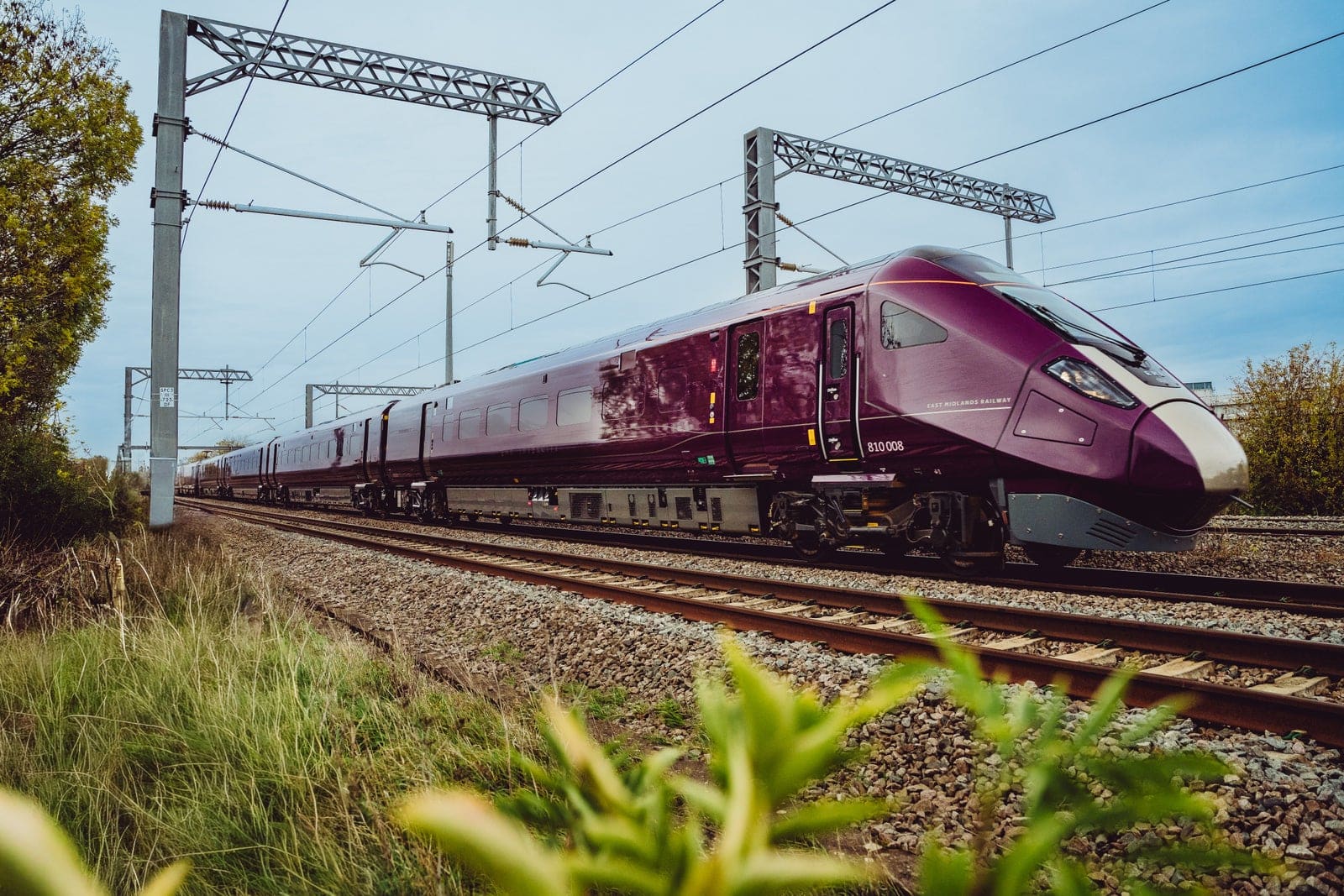
The strike centers on a fleet of Class 810 trains that union members say have persistent mechanical problems. The Rail, Maritime and Transport union has compiled a list of recurring faults that includes malfunctioning air conditioning, door failures, and non-operational toilets - issues the union argues compromise both passenger comfort and safety.
RMT members have been instructed not to operate any Class 810 unit exhibiting faults from the union's documented list. Eddie Dempsey, the union's general secretary, framed the action as a matter of professional responsibility. The union is pushing for the problematic trains to be pulled from service entirely until manufacturer Hitachi and East Midlands Railway can demonstrate they meet reliability standards.
This is not the first disruption passengers have endured. Three consecutive Saturdays earlier in August saw similar walkouts, a pattern that has tested the patience of regular commuters and casual travelers alike. Philippa Cresswell, who oversees customer experience at East Midlands Railway, acknowledged the frustration publicly, noting that the company has held six meetings with union representatives in an effort to find common ground.
The operator maintains it is engaged in constructive dialogue, but the union's willingness to extend strike action into the bank holiday suggests those talks have yet to yield a breakthrough. For travelers, the question is not whether the dispute has merit, but how long it will take to resolve.
The Infrastructure Factor
Compounding the labor dispute is a separate but equally disruptive project: Network Rail is conducting digital signaling upgrades on the East Coast Main Line, work that will close the stretch between London King's Cross and Peterborough on Sunday. That means LNER, another major operator serving the north, will run no trains on that segment - pushing even more passengers toward East Midlands Railway's already diminished service.
Digital signaling is part of a broader modernization effort aimed at increasing capacity and reliability on Britain's aging rail infrastructure. The technology allows trains to run closer together safely, which in theory should reduce delays and accommodate growing passenger numbers. But the installation requires extended closures, and the timing of this particular weekend's work could not be more unfortunate.
The result is a bottleneck at St Pancras. Passengers who would normally have multiple operators and routes to choose from will find themselves funneled onto a skeleton service, with predictable consequences for crowding and stress levels. East Midlands Railway is warning that Sheffield and Nottingham stations, both key hubs, will see particularly heavy congestion.
The Bigger Picture for British Rail
This weekend's chaos is a microcosm of broader tensions in Britain's rail sector. The privatized structure - in which operators lease rolling stock from manufacturers, run services on infrastructure owned by the public Network Rail, and negotiate with powerful unions - creates multiple points of friction. When those friction points align, as they have this weekend, the system can grind nearly to a halt.
Safety disputes over new train fleets are not uncommon. Modern trains are more complex than their predecessors, packed with digital systems and amenities that, when they fail, can leave passengers stranded or uncomfortable. Unions argue that operators rush new stock into service to meet contractual obligations, while manufacturers and operators counter that teething problems are inevitable and best resolved through operational experience.
The Class 810 fleet at the heart of this dispute is part of a wave of new trains introduced across Britain in recent years, many of which have faced similar criticisms. Hitachi, the manufacturer, supplies trains to multiple operators, and faults in its fleets have triggered disputes elsewhere on the network. For East Midlands Railway, the challenge is not just technical but reputational: passengers who experience repeated disruptions may choose other modes of transport or avoid travel altogether.
What Travelers Can Do
For those with non-essential plans, the advice is simple: postpone. But for passengers who must travel - those with work commitments, family obligations, or non-refundable bookings - options are limited and unappealing.
Checking schedules in advance is critical, as is allowing extra time for queues and potential delays. East Midlands Railway has emphasized the importance of verifying not just departure times but also first and last train availability, as reduced service means fewer options for passengers who miss a connection.
Alternative routes via coach or car will likely see increased demand, with road congestion a probable side effect. For travelers heading to the Midlands or points north, splitting the journey - perhaps traveling to an intermediate station on a less-affected line and then continuing by other means - may offer a workaround, though at the cost of time and convenience.
The situation also raises questions about compensation. Under British rail regulations, passengers may be entitled to refunds or rebates for delayed or disrupted journeys, but the fine print often depends on ticket type and whether the disruption was deemed avoidable. Travelers should keep receipts and document delays, as claims can be filed after the fact.
A Test of Patience and Policy
The bank holiday disruption will be remembered as a test of resilience for both passengers and the rail industry. For unions, it is a statement that safety cannot be compromised for the sake of schedules. For operators, it is a logistical nightmare that threatens customer loyalty at a time when rail travel is already under pressure from remote work trends and budget airlines.
For travelers, it is a reminder that even in a developed economy with a storied rail history, the system remains vulnerable to the collision of labor disputes, infrastructure needs, and the sheer volume of people trying to move from one place to another. How quickly East Midlands Railway and the RMT can find resolution will determine whether this is an isolated incident or a preview of more disruptions to come.