A Later Closing Time
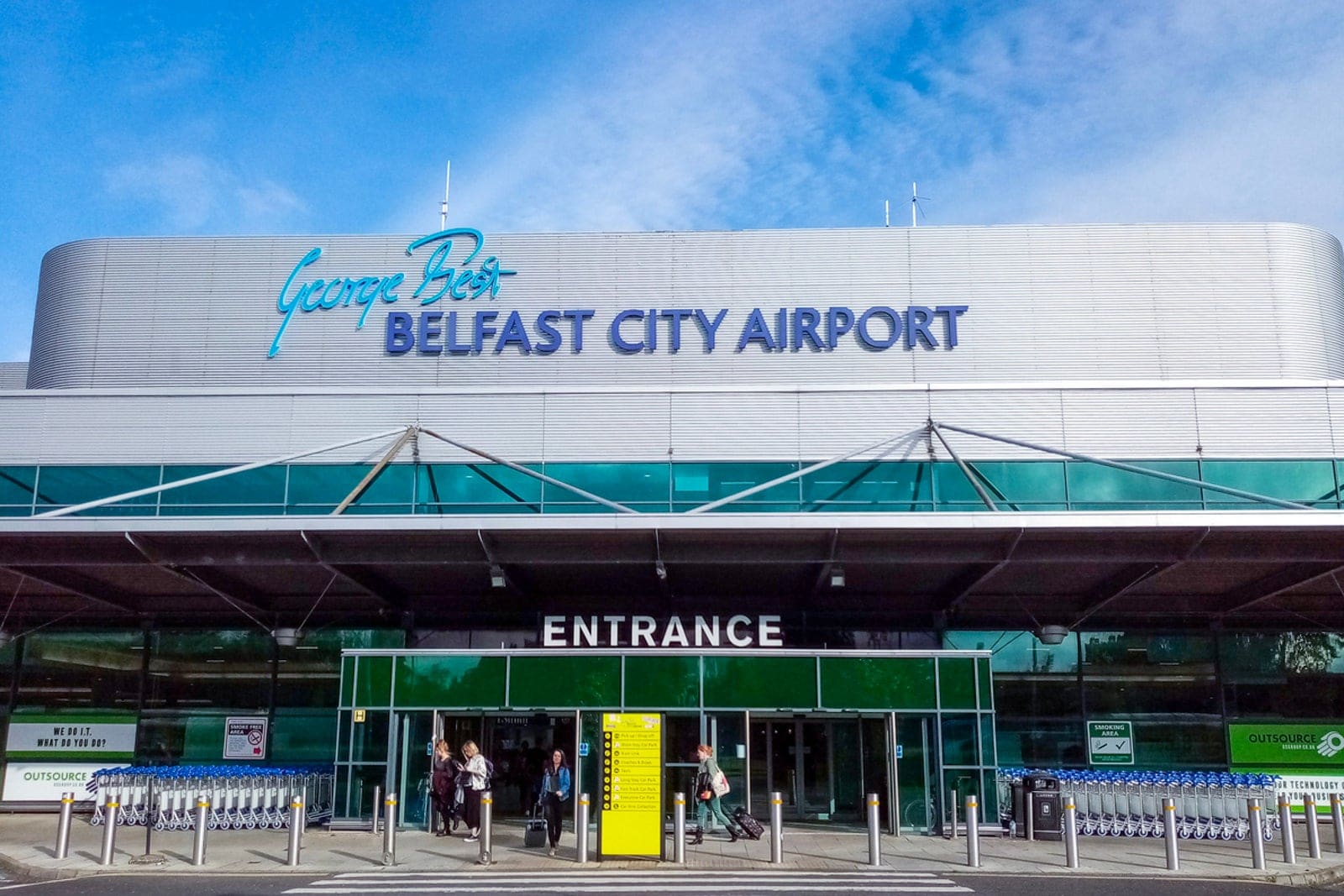
Belfast City Airport wants to stay open one hour longer each evening. The aviation facility has asked local authorities for permission to schedule departures and arrivals until 10.30pm, pushing its daily operating window from fifteen hours to sixteen.
The request forms part of a broader infrastructure package worth £200 million that Belfast City Council is now reviewing. If regulators approve the changes, the airport anticipates handling up to 61,000 aircraft movements each year, a substantial increase from the current cap of 48,000.
What the Proposal Includes
The draft Master Plan 2040 outlines several physical upgrades. Passenger terminals would be enlarged, airfield infrastructure modernized, and car parking expanded. The site would also gain a hotel, though details on size and operator remain unspecified.
Matthew Hall, the airport's chief executive, emphasized that the runway itself will not be extended. That constraint matters for residents living near the flight path, since longer runways typically mean heavier aircraft and altered noise profiles.
Belfast City and Translink are also exploring a direct rail link, though no timeline or funding commitment has been announced. Rail access remains a rarity among UK regional airports, and feasibility studies often stretch over several years.
Economic Projections and Job Estimates
Airport officials project that the full build-out could contribute £1.7 billion annually to Northern Ireland's economy and support more than 23,000 jobs across the region by 2040. Those figures come from the airport's own economic impact assessment and have not yet been independently verified.
Such projections typically include direct employment at the airport, jobs in airlines and ground-handling firms, and indirect roles in hospitality and retail. They also tend to assume sustained passenger growth, which can be disrupted by economic downturns, fuel price spikes, or shifts in airline route planning.
The target of seven million passengers per year by 2040 represents a significant scaling up. For context, Belfast City handled approximately 2.6 million passengers in 2019, the last full year before the pandemic. Reaching seven million would require not only infrastructure expansion but also new routes and higher load factors on existing services.
Community Consultation and Regulatory Process
The airport has committed to a consultation period before formally submitting its application. Residents, businesses, and elected officials will have the opportunity to review detailed plans and provide feedback in the coming weeks.
Once the consultation closes, Belfast City Council and Ards and North Down Borough Council will evaluate the proposal. Both councils have planning authority over different parts of the airport site.
Hall acknowledged the need for ongoing dialogue with neighboring communities. "We recognize the long-standing relationship we have with our local communities," he said in a statement, adding that the airport aims to remain "a considerate and responsible neighbor."
Balancing Growth and Local Impact
The one-hour extension to evening operations is likely to draw the most public attention. Noise ordinances and curfews are common friction points between airports and residents, particularly in urban settings where flight paths cross densely populated areas.
Belfast City sits less than two miles from the city center, making it one of the UK's most centrally located airports. That proximity offers convenience for travelers but also means noise and traffic affect a large number of households.
Extending the operating day could enable more business routes and improve connectivity for passengers arriving on late connections from European hubs. At the same time, it will push aircraft movements into the evening hours when many residents are at home.
The airport has not yet published detailed noise modeling or mitigation measures, though those are typically required as part of the formal planning application.
What Happens Next
Belfast City Airport will gather feedback over the next several weeks, then refine its proposal before submitting formal applications to both councils later this year. The planning process for major aviation infrastructure can take twelve to eighteen months, and approvals often come with conditions on noise limits, emissions monitoring, and phased implementation.
If the plan proceeds, construction would likely unfold in stages, with some upgrades completed well before the 2040 target date. The hotel and rail link, if pursued, would probably require separate planning permissions and partnerships with private developers or transport agencies.
For now, the proposal represents an ambition rather than a certainty. Whether Belfast City can balance its growth targets with community concerns will depend on the details that emerge during consultation and the conditions attached by planning authorities.