A Major Investment in Northern Ireland Aviation
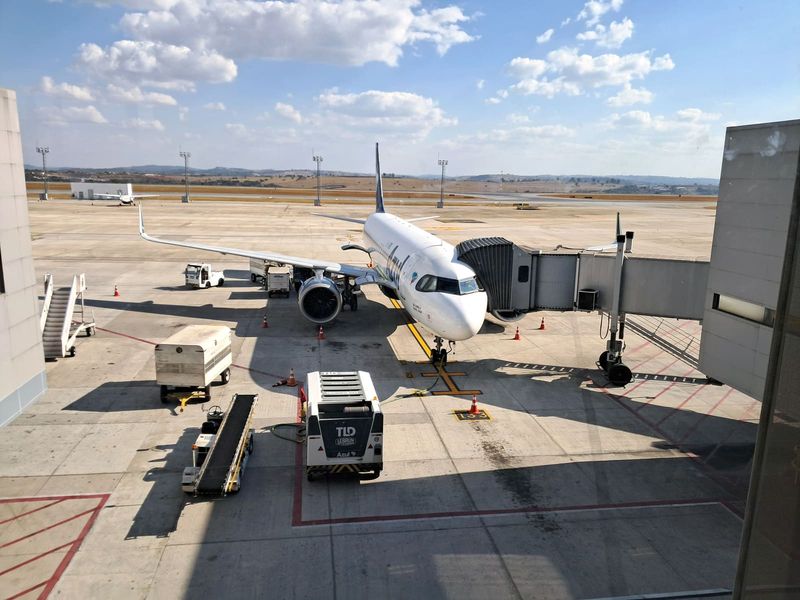
Belfast City Airport has submitted initial planning documents for a £200 million expansion that would transform the facility into a significantly larger hub. The proposal, outlined in Proposal of Application Notices filed with Belfast City and Borough Council, covers new passenger amenities, airfield infrastructure, a forecourt, additional parking, and a hotel. Currently handling 2.36 million passengers annually, the airport aims to accommodate seven million by 2040, according to Belfast City Airport.
The expansion is driven by projected demand. Aviation analysts expect air travel to and from the island of Ireland to double over the next 15 years, which would require Northern Ireland's airports collectively to handle 21 million passengers per year. Belfast City's plan positions the facility to capture a substantial share of that growth.
First Airport Rail Link on the Island
One of the more notable elements of the proposal is a pedestrian connection to a future airport rail station, developed in partnership with Translink. If built, Belfast City would become the first airport on the island of Ireland with its own rail connection, a significant infrastructure milestone for a region where airports have historically relied on road access.
The rail link would likely improve accessibility for passengers traveling from across Northern Ireland and potentially from the Republic of Ireland, reducing reliance on cars and taxis. It also aligns with broader sustainability goals, though the airport has not released detailed emissions targets tied to the expansion.
Extended Hours and More Flights
To support the increased passenger numbers, Belfast City is requesting permission to raise its annual flight movement cap from 48,000 to 61,000. The airport has also applied to the Northern Ireland Assembly to extend daily operating hours by 60 minutes, allowing flights until 10:30 pm instead of the current 9:30 pm cutoff. The existing no-fly period from midnight to 6:30 am would remain in place, according to airport officials.
The extended hours would give airlines more scheduling flexibility, particularly for late-arriving business travelers and leisure passengers connecting from other European cities. However, the increase in flight movements and longer operating days may draw scrutiny from residents living near the airport, who have historically raised concerns about noise.
Economic Claims and Job Creation
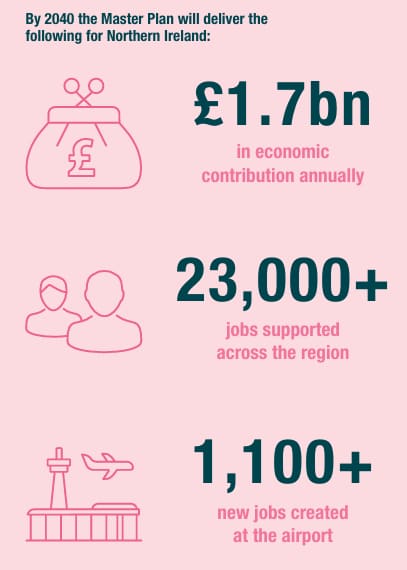
Belfast City Airport estimates the expansion could create 1,100 jobs, doubling its current workforce. Supporters of the Master Plan 2040 project that the development could generate up to £1.7 billion in annual economic contribution to Northern Ireland and support more than 23,000 jobs across various sectors, including hospitality, retail, and logistics.
These figures, provided by the airport, represent projected economic impact rather than direct spending or employment. They include indirect and induced effects, which can be more difficult to verify. Still, the scale of the investment is significant for a regional airport, and the expansion could make Belfast City a more competitive option for airlines considering new routes.
Matthew Hall, CEO of Belfast City Airport, described the upgrade as having the "potential to deliver significant economic benefits, accelerate our sustainability ambition, attract further private investment, and strengthen Northern Ireland's links with key destinations across the UK and beyond."
Route Network and Future Connectivity
Belfast City's current network is heavily weighted toward UK destinations, with some European routes to cities like Amsterdam and the Balearic Islands. The expansion is expected to enable the airport to attract more international carriers and open routes to additional European and possibly long-haul destinations, though no specific new routes have been announced.
The ability to handle more passengers and flights could make Belfast City a more attractive option for low-cost carriers looking to expand in Ireland and the UK. However, the airport will still face competition from Belfast International Airport, located about 20 kilometers northwest of the city, which already handles a larger share of traffic and has its own expansion ambitions.
Public Consultation and Planning Timeline
In addition to the formal planning process, Belfast City Airport will conduct a public consultation to gather input from local residents and stakeholders. This step is particularly important given the potential for increased noise and traffic around the airport, issues that have been flashpoints in other airport expansion projects across the UK and Europe.
The timeline for approval and construction has not been disclosed, but the 2040 target suggests a phased rollout over the next decade and a half. Whether the full vision materializes will depend on regulatory approvals, community feedback, and the ability of the airport to secure the necessary financing and airline commitments.
For now, the proposal represents a significant bet on the future of air travel in Northern Ireland, one that assumes demand will continue to grow despite economic uncertainty and evolving attitudes toward flying.