A Coalition Pushes for More Time
Belgium, France, Germany, Greece, Italy, Malta, the Netherlands, Portugal, and Switzerland have jointly asked Brussels to preserve a critical safety valve that allows border officers to bypass biometric collection when passenger volumes spike. The countries sent their request to Internal Affairs Commissioner Magnus Brunner in early July, arguing that the fingerprint and facial recognition requirements introduced this spring have generated more friction than anticipated.
The temporary workaround they want extended is scheduled to sunset on 6 September. Under the current arrangement, border staff can skip the biometric portion of the check while still logging each crossing electronically. The nine signatories describe this option as essential, noting that concerns span not only governments at varying stages of readiness but also airlines, airports, and ferry operators across the continent.
They've also requested written confirmation from the European Commission that the flexibility will remain available if conditions warrant, according to reports from Brussels.
What Travelers Are Experiencing
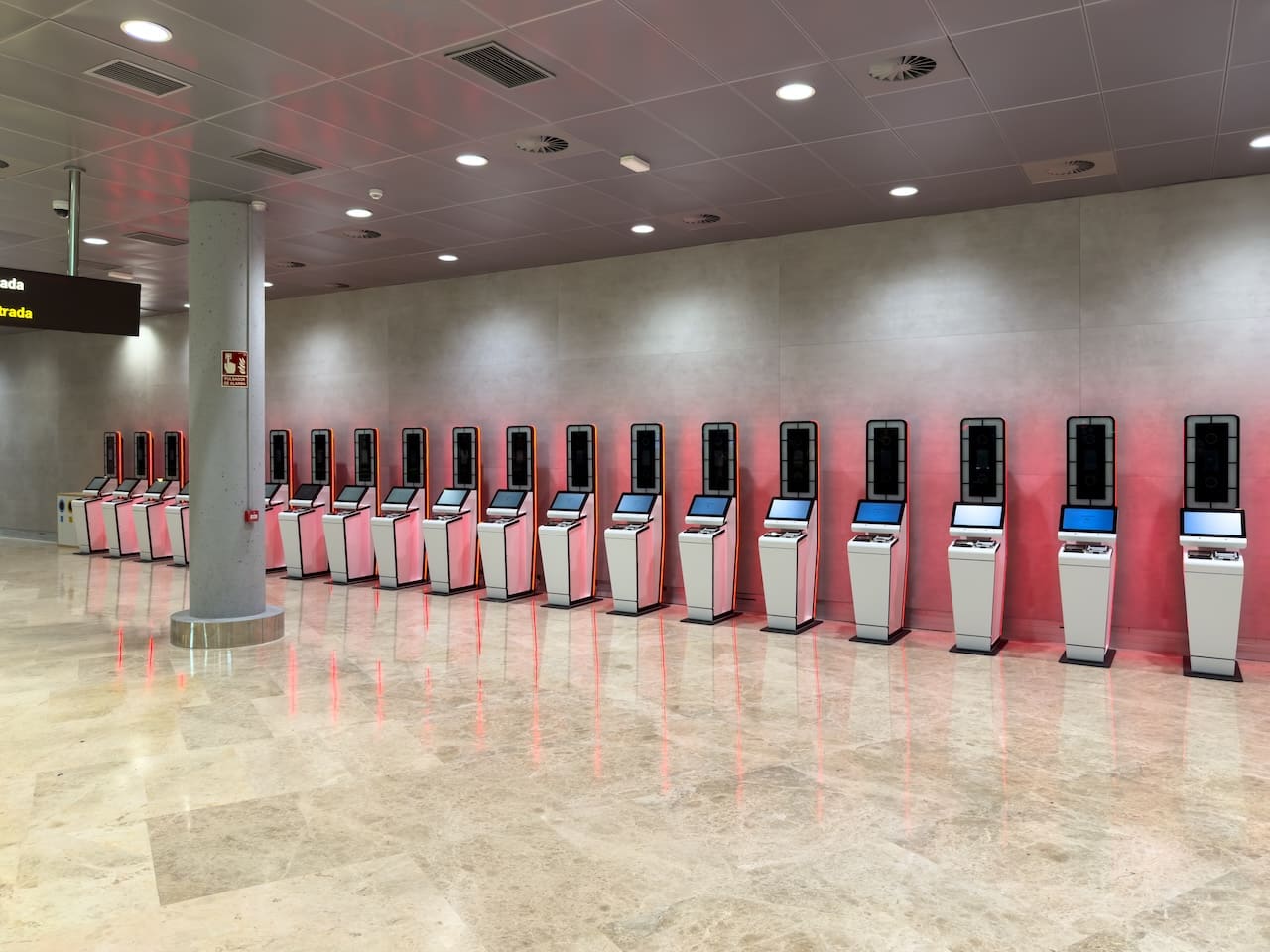
Since the biometric registration requirement took effect in mid-April, non-EU nationals entering or leaving the Schengen zone have been required to provide fingerprints and a facial scan at the border. The data is stored to track compliance with the 90-day-in-180 rule for short stays, and officials say it helps flag identity fraud.
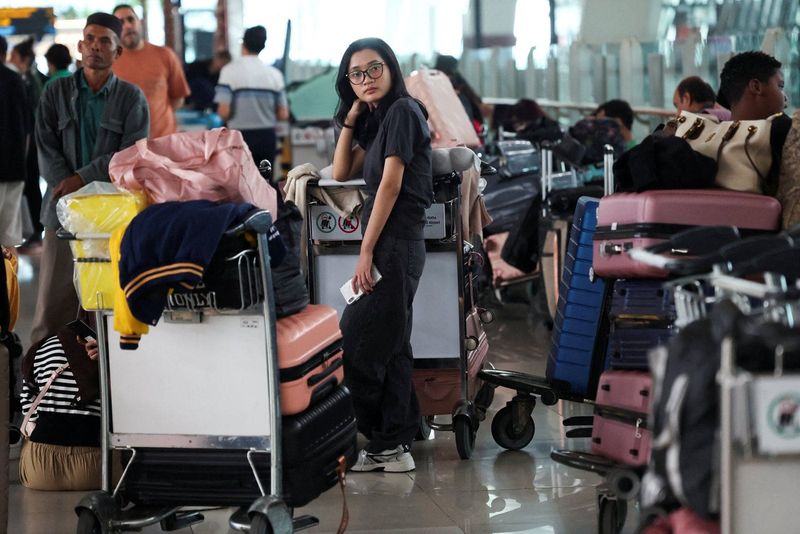
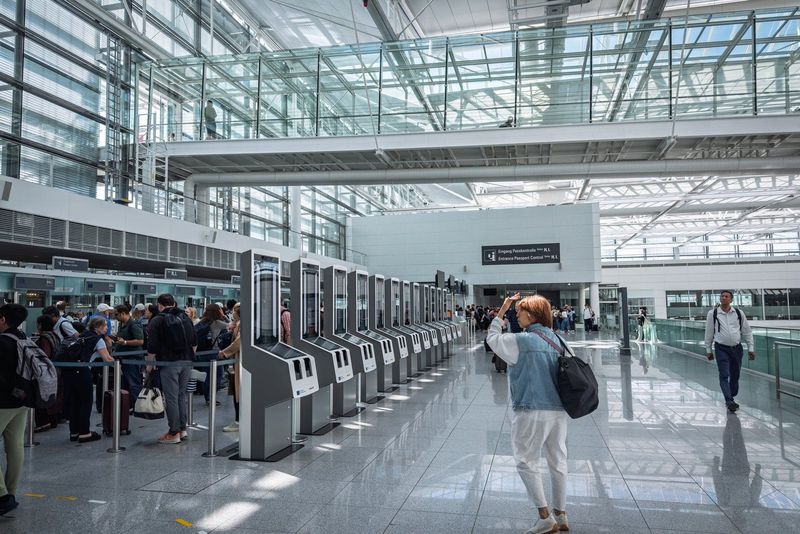
In practice, the extra steps have added minutes to each traveler's processing time. Multiply that across a peak-season airport or ferry terminal, and the math turns ugly. Some airports have reported queues stretching to five hours. Fraport Greece, which runs 14 facilities across the country, has erected temporary shelters to keep waiting passengers out of the sun and has started prioritizing elderly and unwell travelers to avoid medical incidents.
Kenton Jarvis, who leads easyJet, called the delays completely unacceptable and urged authorities to use every bit of flexibility the rules allow. If that proves insufficient, he said, the system needs a rethink before the September cutoff arrives.
Industry Voices Grow Louder
Airports Council International Europe, Airlines for Europe, and the International Air Transport Association issued a joint appeal earlier this month, asking for broader latitude to suspend biometric collection whenever passenger flow exceeds what staff and kiosks can handle. They warned that sustained bottlenecks disrupt flight schedules, strain terminal operations, and sour the travel experience for millions.
The World Travel and Tourism Council echoed that call, recommending faster rollout of a mobile app that would let travelers pre-register their biometrics before reaching the airport. The council also urged clearer communication with passengers before they depart and better readiness at the physical crossing points.
Ryanair went further, suggesting the rollout should have been postponed until September to avoid using summer holidaymakers as test subjects for a system still finding its footing.
The Technical Reality
Alexander Zinell, who runs Fraport Greece's airport network, told the Financial Times that the emergency suspension mechanism is the only reason the system hasn't collapsed under peak demand. Even with that valve in place, his teams have had to improvise with gazebos and triage protocols.
Zinell described the current fixes as stopgaps. In his view, the system needs a fundamental update, one that allows advance registration well before travelers arrive at the terminal. Without that shift, he said, the problems will recur every time volume climbs.
The European Commission maintains that most border crossings are handling the transition smoothly and that difficulties are confined to a few locations. Spokesperson Markus Lammert acknowledged the letter from the nine countries and welcomed their commitment to full implementation. He noted that the legislation already includes built-in flexibility and said the Commission remains in close contact with governments facing operational challenges. He did not, however, confirm whether the emergency measures would be extended past the September deadline.
September Looms
The question now is whether Brussels will treat the temporary workaround as a bridge to full capacity or as a permanent feature of the system. The nine countries argue that withdrawing the safety valve too soon risks a repeat of this summer's disruptions at an even larger scale when autumn travel picks up and the system has no fallback.
For travelers, the immediate impact depends on where and when they cross. Major hubs with high non-EU traffic are more likely to experience delays, especially during morning departure waves and evening arrivals. Pre-registering biometrics through a mobile app, once it becomes widely available, should help, but that capability remains limited for now.
The biometric entry system represents a significant investment in border security and visa compliance, and officials in Brussels have emphasized its role in detecting fraud and unauthorized stays. The challenge is making the technology work at the speed and scale that modern travel demands, particularly when a single delayed flight can cascade into missed connections and strained airport resources across a dozen cities.
With less than eight weeks until the current flexibility expires, the clock is ticking for a decision that will shape how Europe's borders operate through the rest of the year and beyond.