A Long Wait Ends
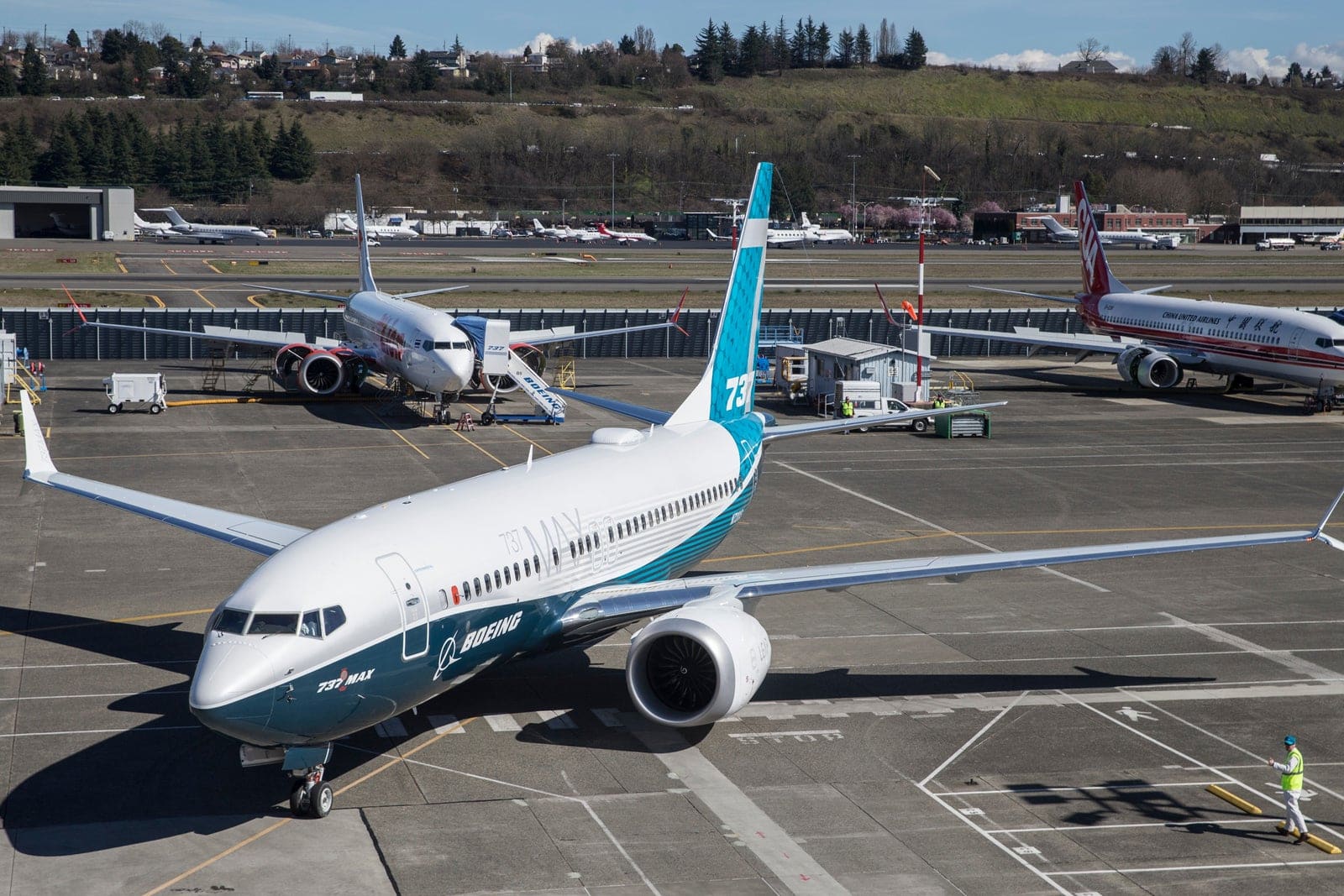
Boeing can finally deliver the 737 Max 7, the smallest member of its Max family. The Federal Aviation Administration granted certification last week, closing a chapter that began almost ten years ago when the plane was first shown to the public. The Max 7 seats between 135 and 160 passengers and is designed for short- and medium-haul flying - the bread and butter of many U.S. carriers.
The approval follows what Boeing describes as rigorous testing, software updates, and a complete rethink of cockpit alerts and engine anti-ice systems. According to the FAA, the clearance came only after the agency reviewed thousands of hours of flight data and required specific safety improvements. That level of scrutiny reflects a regulatory posture that shifted dramatically after two Max 8 crashes in late 2018 and early 2019 killed 346 people.
Why It Took So Long
The timeline stretches back to those twin disasters off Indonesia and in Ethiopia, which exposed flaws in flight-control software and prompted a worldwide grounding of the Max fleet. In response, the FAA overhauled how it certifies Boeing aircraft, pulling back authority it had previously delegated to the manufacturer and embedding its own engineers deeper into the approval process.
For the Max 7, that meant Boeing had to navigate a much tougher regulatory environment than the one that existed when the plane was conceived. The company also had to address technical issues that emerged during testing, including concerns about engine heating and cockpit warning systems. The pandemic added another layer of delay, slowing both engineering work and regulatory review.
Stephanie Pope, who leads Boeing's commercial airplane division, acknowledged the drawn-out effort in a statement, noting that engineers and test specialists worked through pandemic disruptions and adapted to new certification requirements. Boeing has already built roughly 30 Max 7 airframes, according to aviation data firm Cirium, and those jets are now awaiting delivery.
What Changed Under the Hood
The FAA required Boeing to make several key modifications before signing off. Flight-control software received updates intended to prevent the kind of automated nose-down commands that contributed to the earlier crashes. Cockpit alerts were redesigned to give pilots clearer, more immediate information during abnormal situations. And the engine anti-ice system was reworked to reduce the risk of overheating, a problem that surfaced during testing and could have posed a safety hazard in certain weather conditions.
These changes are part of a broader shift in how Boeing builds and certifies aircraft. The FAA made clear that its inspectors will remain stationed at Boeing factories to monitor production, quality control, and the company's internal safety management systems. That hands-on oversight is unlikely to ease anytime soon. The agency said it would continue scrutinizing Boeing even after the Max 7 enters service.
Who Will Fly It
Southwest Airlines is the biggest customer for the Max 7. The Dallas-based carrier, which operates an all-Boeing fleet, welcomed the certification and said it expects to bring the jet into service in the coming months. Still, Southwest has not yet scheduled the Max 7 on any routes through March 2027, suggesting the rollout will be cautious and phased.
Other carriers with Max 7 orders include a mix of U.S. and international operators, though many have also placed bets on the larger Max 8 and Max 9 variants. The Max 7's smaller size and range make it a natural fit for thinner routes or airports with slot constraints, where a 160-seat jet offers more flexibility than a 180-seat model.
What This Means for Boeing
The certification is a milestone, but it does not mark the end of Boeing's regulatory challenges. The company still has the larger Max 10 awaiting approval, and that jet faces its own set of technical and political hurdles. Boeing has built nine Max 10 airframes so far, according to Cirium, and those planes remain grounded pending FAA clearance.
More broadly, Boeing is under pressure to rebuild trust with regulators, airlines, and the flying public. The Max 7's approval shows the company can clear the FAA's higher bar, but it also underscores how much longer and more expensive the certification process has become. That reality is likely to shape how Boeing approaches future aircraft programs and how quickly it can bring new variants to market.
For travelers, the Max 7's entry into service will be largely invisible. The jet uses the same cabin layout and in-flight systems as other Max models, and passengers are unlikely to notice much difference from a Max 8 or 9. What matters more is whether the additional scrutiny and design changes translate into a safer, more reliable fleet - a question that will be answered over thousands of flights in the months and years ahead.