Extended Pause on UAE Capital Service
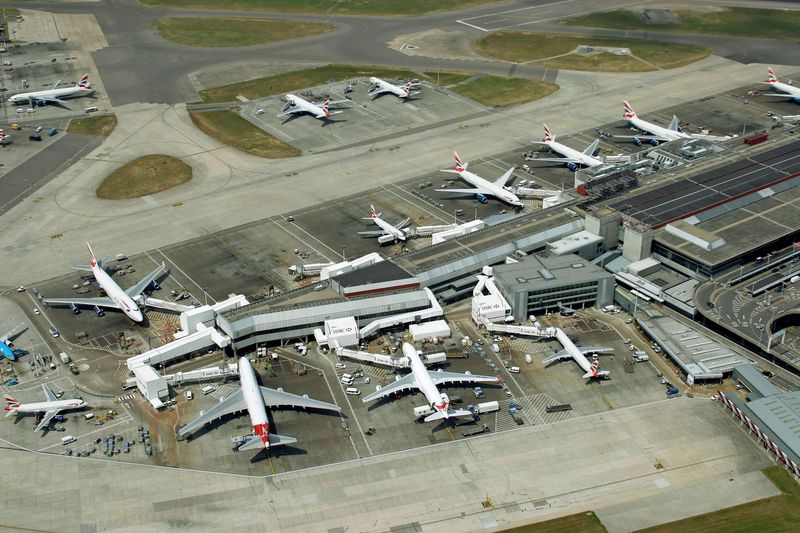
British Airways has confirmed it will not operate flights to Abu Dhabi for more than a year, with service to the UAE capital suspended through the 2026/27 winter season. The airline now expects to restart the route only at the end of next year, marking one of the longest service gaps in its Middle East network since disruptions began in February 2026.
Travellers looking to fly direct from the UK to Abu Dhabi now have a single carrier option. Etihad operates the only non-stop service, flying from London Heathrow. The absence of British Airways on the route reduces frequency and potentially pushes fares higher during peak travel periods, particularly for business travellers and those visiting family across the Emirates.
The suspension affects a city that has grown steadily as a destination for both leisure and corporate travel. Abu Dhabi attracts visitors to its cultural institutions, including the Louvre Abu Dhabi and the upcoming Guggenheim, as well as business linked to the emirate's energy sector and sovereign wealth funds. The reduced airlift comes at a time when the UAE has been working to diversify its tourism base beyond Dubai.
Staggered Return Across the Region
British Airways suspended most of its Middle East routes shortly after conflict escalated in the region in February. The airline initially indicated flights would return by early July, but has repeatedly pushed back restart dates across multiple cities.
Service to Dubai, the UAE's largest city and a major connecting hub, was first delayed to 25 October and has now been rescheduled to 3 November. The airline will run one daily flight during the winter season, increasing to two per day when the summer schedule begins. Riyadh in Saudi Arabia is also set to restart on 3 November, with a single daily departure.
Amman in Jordan is scheduled to see British Airways return on 4 November, with four flights per week. Tel Aviv, which had been paused throughout the summer months, is expected to resume on 25 October with one daily flight. Bahrain, however, remains suspended until the end of March 2027, making it one of the longest service interruptions in the carrier's network.
Doha in Qatar has already resumed, though British Airways reduced its offering from two daily flights to one. The airline has not indicated when it will restore the second frequency.
What It Means for Passengers
Anyone holding a British Airways booking to or from Abu Dhabi, Amman, Bahrain, Doha, Dubai, Tel Aviv, or Riyadh through 31 October can request a full refund, according to the airline. This applies even if the flight is technically still scheduled to operate, a policy that reflects the uncertainty many carriers face when planning routes through regions affected by geopolitical instability.
The refund offer provides some flexibility, but passengers with travel plans beyond that date face fewer options. Those needing to reach Abu Dhabi will need to either book with Etihad, connect through another Gulf hub such as Doha or Dubai, or fly with a European carrier via a stopover. Each option adds either cost or time, particularly for families or those with tight schedules.
For frequent flyers loyal to British Airways or its Oneworld alliance partners, the suspension also complicates earning and redeeming miles. Etihad is not part of any major global alliance, though it has codeshare agreements with a handful of carriers. That gap can matter for travellers who rely on status benefits such as lounge access or priority boarding.
Broader Context in Gulf Aviation
The extended suspension of Abu Dhabi service sits within a wider pattern of caution among European carriers operating in the Middle East. Several airlines have trimmed or paused routes in response to airspace restrictions, insurance considerations, and shifting passenger demand tied to regional instability.
At the same time, Gulf carriers have continued to expand. Etihad, Emirates, and Qatar Airways have all added frequencies or opened new routes to Europe, Asia, and North America in recent months. The imbalance creates a competitive dynamic where Gulf-based airlines capture a larger share of traffic to and from the region, while European legacy carriers pull back.
For Abu Dhabi specifically, the loss of British Airways frequency is a setback in efforts to build connectivity independent of Dubai. The emirate has invested heavily in tourism infrastructure and positioning itself as a cultural and business hub distinct from its neighbour. Reduced airlift from a major European capital complicates those ambitions, particularly when other Gulf cities are adding flights.
Uncertainty Ahead
British Airways has not provided detailed reasoning for the length of the Abu Dhabi suspension compared to other cities in the region. The airline's phased approach to resuming Middle East service suggests it is weighing demand, operational costs, and risk on a route-by-route basis rather than applying a blanket policy.
The decision to keep Bahrain suspended through March 2027 and Abu Dhabi off the schedule until late next year implies that the carrier sees those markets as either less commercially urgent or more complicated to serve. It may also reflect crew scheduling, aircraft availability, or insurance considerations that vary by destination.
For now, anyone planning travel to Abu Dhabi from the UK will need to adjust expectations. The single-carrier environment on the route may limit choices, and fares could reflect that reduced competition. British Airways passengers accustomed to the airline's service, schedules, or frequent flyer programme will need to weigh alternatives or wait more than a year for the route to return.