The Flight and the Alert
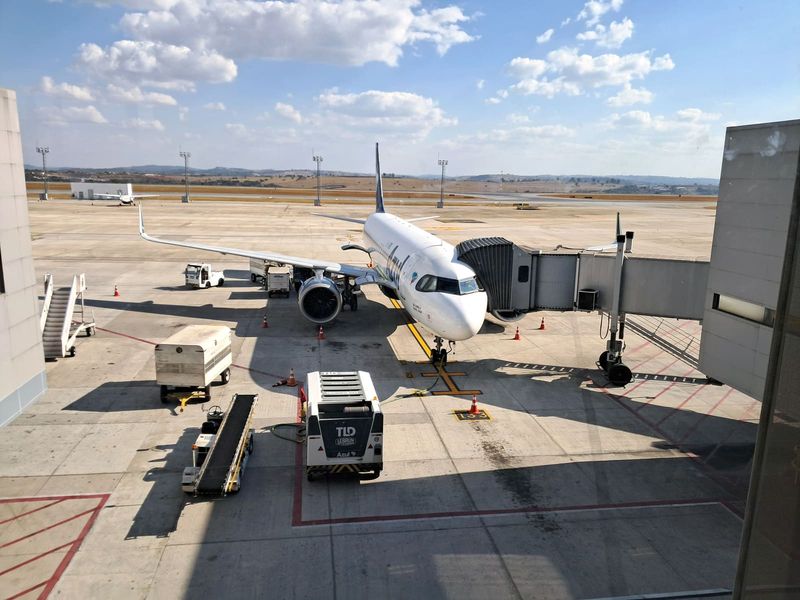
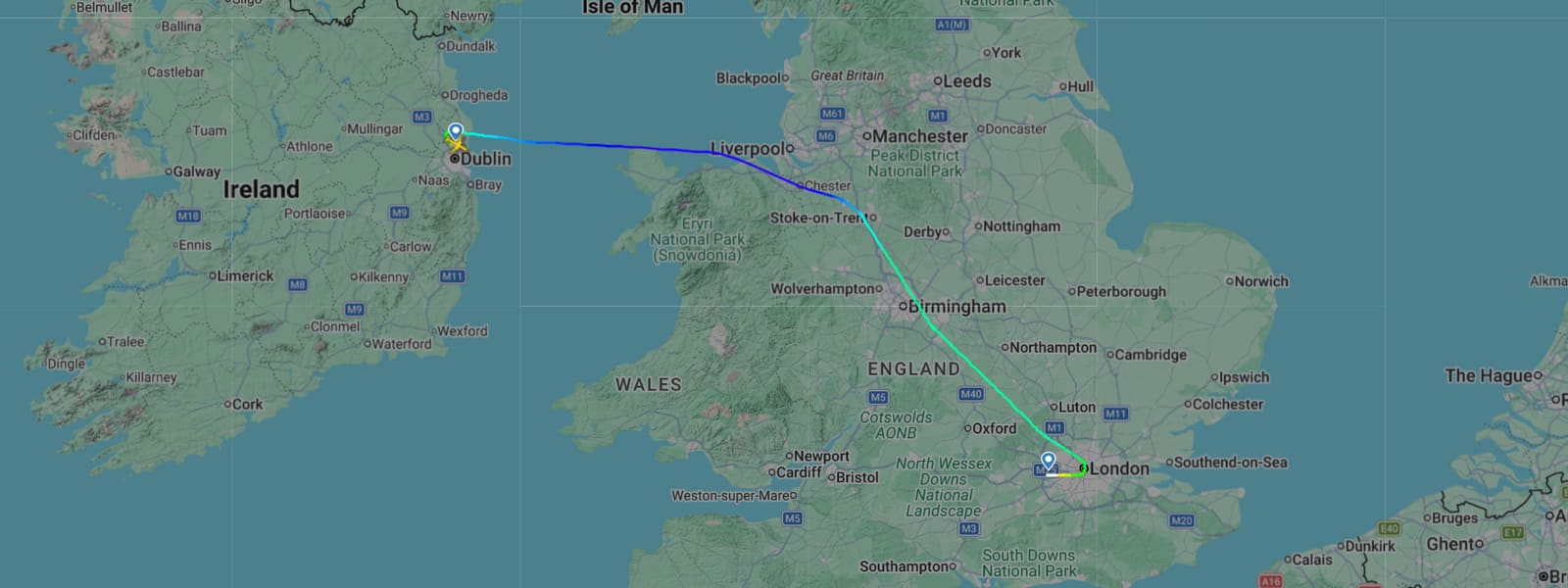
A British Airways service from Dublin to London Heathrow transmitted an emergency signal on Tuesday morning while crossing over England. Flight BA825, operated by an Airbus A321neo, sent squawk code 7700 near Liverpool on 1 September after the crew encountered what British Airways later described as a minor technical issue.
The aircraft had reached cruising altitude when the alert was issued. Flight tracking records show the plane then descended in a controlled manner to approximately 8,000 feet and maintained that lower altitude for the remainder of the journey to London.
Emergency crews at Heathrow were put on standby as the flight approached, a routine measure whenever a 7700 code is transmitted. The aircraft continued to its planned destination rather than diverting to another airport. It made its final approach to runway 27L, touched down safely, and taxied to a remote stand at Terminal 5.
British Airways confirmed the landing and said the technical issue was minor, but offered no additional detail about what prompted the emergency declaration.
What the Code Signals
Squawk 7700 is the international transponder code pilots use to tell air traffic control that something aboard requires priority attention. When controllers see the code, they can clear airspace, coordinate with the flight deck, and alert ground services if needed.
The code itself does not describe the problem. It covers a wide spectrum of situations, from pressurization faults and engine warnings to medical emergencies among passengers or crew. Pilots decide when to use it based on their judgment of the circumstances and whether they might need help on short notice.
In this case, the crew opted to declare the emergency even though the issue was ultimately classified as minor. The aircraft did not need to land elsewhere, and no injuries were reported.
A Similar Event Days Earlier
The British Airways incident came two days after another UK carrier used the same emergency code over France. On 30 August, Jet2 flight LS1473 was en route from London Stansted to Ibiza when its crew transmitted 7700 roughly ninety minutes into the flight.
The Boeing 737-800 diverted to Paris Charles de Gaulle Airport, where it landed on runway 27L mid-morning. Emergency services were positioned ahead of arrival. The aircraft remained on the ground for about two hours before resuming the journey to Ibiza, arriving that afternoon. No injuries were reported in that event either.
Why Crews Declare Early
Aviation safety protocols encourage pilots to declare emergencies when they believe the situation warrants coordination with controllers or ground services, even if the fault turns out to be manageable in flight. The threshold for issuing a 7700 alert is deliberately low to ensure crews have the resources they need without delay.
In both the British Airways and Jet2 cases, the aircraft were able to land without incident. The declarations allowed controllers to prioritize the flights and ensured emergency equipment was ready if required. For passengers, the experience can be unsettling, but the process reflects standard risk management rather than immediate danger.
The nature of the technical issue aboard BA825 has not been disclosed, and British Airways has not said whether the aircraft returned to service immediately after landing.