A Fleet-Wide Interior Overhaul
British Airways is midway through a multi-million-pound programme to strip and refit the cabins of its Airbus A380 fleet, touching every seat and galley on board. The first completed aircraft is due to enter service in the coming months, the airline announced, kicking off a transformation that will see more than 35,000 individual parts swapped out on each superjumbo.
The work spans all four cabins. First, Club World (business), World Traveller Plus (premium economy) and World Traveller (economy) will each receive new seats, larger screens, revised finishes and redesigned service areas. The refitted A380 will carry 12 First seats, 106 in Club World, 84 in World Traveller Plus and 215 in economy, spread across two decks.
Business Class Takes the Whole Upper Deck
The most conspicuous change is the allocation of the entire upper deck to business class. That makes it the largest single business-class cabin announced by any airline to date, according to British Airways. The space will be divided into four zones and will include what the carrier calls Club Kitchens, areas where passengers can leave their seats, alongside redesigned galleys.
The move reflects sustained demand for premium travel and airlines' broader push to lift revenue per passenger. With fuel prices volatile and labour costs climbing, carriers have been adding business-class seats and trimming economy rows to protect margins. British Airways is leaning into that trend, devoting more square metreage to the cabin that generates the highest yield.
The updated Club Suite retains the airline's blue, red and cream palette but adds storage tweaks and functional changes drawn from passenger feedback. Screens grow larger, and the layout aims to offer more personal space without shrinking the total seat count.
First Class Gains a Shared-Space Option
The new First suite introduces a movable divider between the two centre seats. When opened, it creates a shared area where two passengers can dine or work together. Each suite also incorporates a minibar and stowable tables designed for joint meals.
British Airways is emphasising UK provenance in the onboard offer. First passengers already receive new bedding introduced in October, plus sleepwear, slippers, amenity kits by Swaine, and Wildsmith skincare products on outbound long-haul flights from London Heathrow. The airline plans to roll those amenities out to inbound services over the next few months.
The catering is also shifting. First passengers across the long-haul fleet can now order from a "From the Grill" menu, choosing a protein, sides and sauces, in addition to other main courses. British Airways has launched updated training for the cabin crew who staff the First cabin, branding them First Service Specialists.
Premium Economy and Economy See Upgrades Too
World Traveller Plus seats will gain privacy wings, larger screens and new bedding. Passengers in that cabin will receive reusable tote-style amenity kits containing a moisturising balm, dental kit, socks and eye mask. The kits, along with the new premium-economy and economy bedding, are scheduled to appear across the long-haul fleet during November.
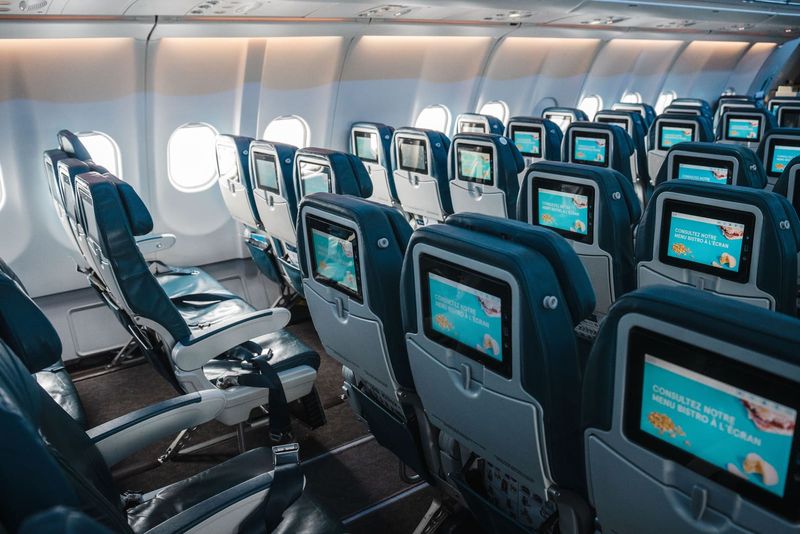
Economy seats will be slightly wider and paired with upgraded bedding. The changes are more modest than in the premium cabins, but they signal that British Airways is refreshing the entire passenger experience rather than concentrating investment at the top end alone.
Part of a Broader Investment Push
The A380 retrofit sits within a wider programme that includes new aircraft deliveries, technology upgrades and operational changes. British Airways has also announced the first phase of a multi-year project to redesign every lounge at Heathrow. Together, the cabin and airport work suggests the carrier is spreading capital between the onboard product and the ground experience, aiming to lift its appeal to long-haul travellers who have options.
Timing remains imprecise. The airline says the first refitted A380 will enter service in the coming months but has not named a date. The full fleet retrofit will take longer, given the scale of work involved and the need to keep enough aircraft flying to maintain schedules. Each superjumbo will spend weeks out of service while crews pull out old seats, wiring and galleys, then install and test the replacements.
What It Means for Passengers
For travellers, the changes will be most visible in business class, where the upper-deck layout and Club Kitchens represent a shift in how the cabin is organised. The First suite's shared-space divider is a feature aimed squarely at couples and travelling companions, a demographic that has grown more important to airlines as leisure travel rebounds.
Premium-economy passengers stand to benefit from the privacy wings and larger screens, features that narrow the gap with business class without closing it entirely. Economy upgrades are incremental, but wider seats and better bedding matter on long flights, especially as load factors remain high and empty middle seats are rare.
The retrofit also underscores a broader industry pattern. Airlines that held onto their A380s during the pandemic, when many carriers parked or retired the type, are now investing to keep them competitive. The superjumbo's economics work best on high-demand routes where airlines can fill hundreds of seats, and British Airways is betting that refreshed interiors will help it do exactly that on trunk routes out of Heathrow.