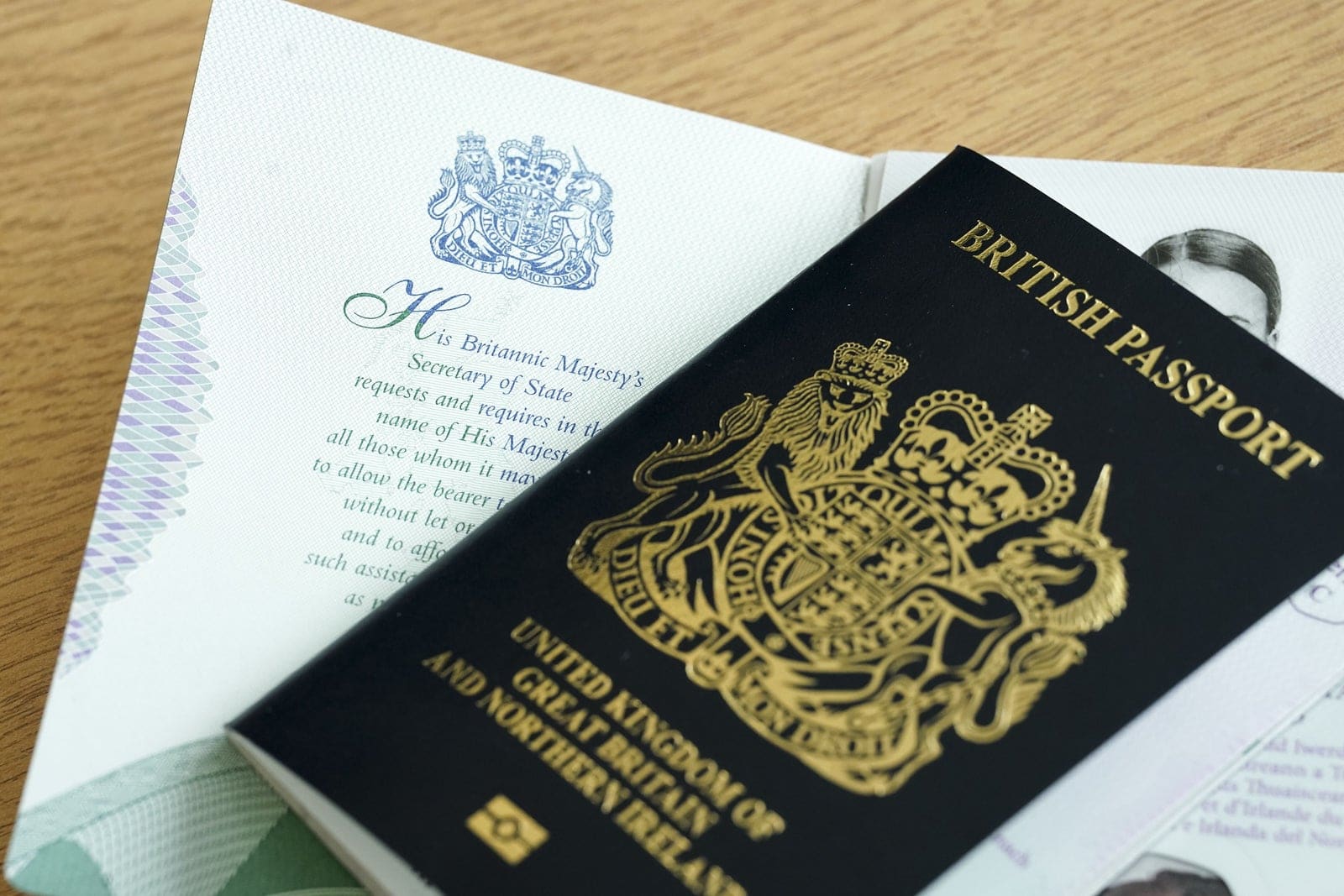
Turned Away at the Gate
A woman traveling to Split, Croatia, recently made it through check-in and all the way to her boarding gate before airline staff stopped her. Her passport hadn't expired, but it didn't matter. Under rules that took effect when the UK left the European Union, her document was too old to get her into Croatia. Her husband and four children boarded without her.
The culprit is a regulation that few British travelers anticipated would affect them: the ten-year issue rule. Since Brexit formalized on 31 January 2020, UK passport holders became third-country nationals in the eyes of the EU. That status comes with requirements most Britons didn't face before. Passports must have been issued within the previous ten years on the day of entry into any EU country, plus Norway, Switzerland, Iceland, and Liechtenstein. A separate rule requires three months' validity beyond the planned departure date.
The woman heading to Croatia isn't alone. Celia Jenkins, 78, and her husband Rees, 82, were preparing to board a flight from Bristol to Kefalonia, Greece, where their family owns a second home. Staff informed them their passports were ten years and three days old. Too old by 72 hours. The couple were denied boarding and missed a week with their children and grandchildren. Between replacement travel, accommodation near the airport, and ground transport, Celia estimated the error cost them £500, not counting the original tickets.
The Cost of Getting Back on Track
Fixing a passport problem mid-trip is neither quick nor cheap. The UK offers a one-day premium service that costs £239.50, but the earliest appointment available is typically two days out, with the new document ready four hours after that appointment. For someone already at the airport, that timeline means a missed holiday, rebooking flights, and potentially losing prepaid accommodation.
The financial hit compounds quickly. Add the premium passport fee to a last-minute flight and you're looking at costs that can exceed the original holiday budget. For families traveling together, the disruption splits groups or forces everyone to abandon plans.
Why Travelers Keep Missing the Rule
The ten-year issue rule operates differently from the straightforward expiry date printed on every passport. Many travelers check that their document is valid through their return date and assume they're cleared. The issue date, however, sits on a different page and doesn't factor into most people's mental checklist.
Before Brexit, UK passport holders enjoyed freedom of movement across the EU. Passport checks were light, and the rules governing validity were simpler. The shift to third-country status brought the UK in line with regulations that apply to travelers from the United States, Canada, Australia, and dozens of other nations. But unlike those countries, which have operated under these rules for years, British travelers are still adjusting to a framework that changed recently in their traveling lives.
There's also the issue of passport longevity. The UK used to allow up to nine months of remaining validity from an old passport to carry over onto a new one, which could push the total validity period beyond ten years. Those extra months now work against travelers heading to the EU. A passport might show an expiry date in 2027 but an issue date in early 2016, making it invalid for EU entry in 2026.
What Airlines and Airports Are Doing
Airlines bear some responsibility for checking travel documents before passengers board. Carriers face fines if they transport someone without proper documentation, so gate agents are trained to scrutinize passports. However, the rule remains complex enough that travelers sometimes pass through multiple checkpoints before someone catches the problem.
Some airports and airlines have added warnings during online check-in or at bag drop, but the messages don't always register with passengers who've traveled to Europe many times before and don't expect new barriers. The gap between checking in online at home and reaching the gate can lull travelers into thinking everything is fine.
Checking Before You Go
The UK Foreign Office website lists entry requirements for every country, including specific passport rules. Checking well ahead of departure gives travelers time to renew documents if needed. Standard passport renewal in the UK takes around three weeks, though delays can stretch longer during peak travel seasons.
For anyone planning a trip to the EU or associated countries, the checklist is straightforward: confirm your passport was issued less than ten years before your entry date, and verify it remains valid for at least three months after you plan to leave. Both conditions must be met. If either fails, start the renewal process before booking flights or accommodation.
The ten-year rule applies regardless of how long you're staying. A weekend city break and a month-long tour face the same passport requirements. The three-month buffer also applies even if you're only visiting for a few days.
The Bigger Picture
Brexit reshaped the mechanics of travel between the UK and Europe in ways that go beyond passport checks. British travelers now face the same processes as visitors from outside the European Economic Area, including limits on visa-free stays (90 days within any 180-day period) and potential questions at border control. The passport rules are one piece of a larger shift.
For families with second homes in Europe or those who travel frequently across the Channel, the new system demands more planning. What used to be a routine trip now requires double-checking documents, counting days to stay within visa limits, and budgeting extra time at borders.
The cases of travelers turned away at gates highlight how travel rules that seem bureaucratic in theory have real consequences in practice. A three-day overage on a passport issue date becomes the difference between a family holiday and a costly scramble at the airport. As the UK moves further from its EU departure date, the hope is that awareness spreads and fewer travelers face these disruptions. Until then, the advice remains simple: check early, check carefully, and renew if there's any doubt.