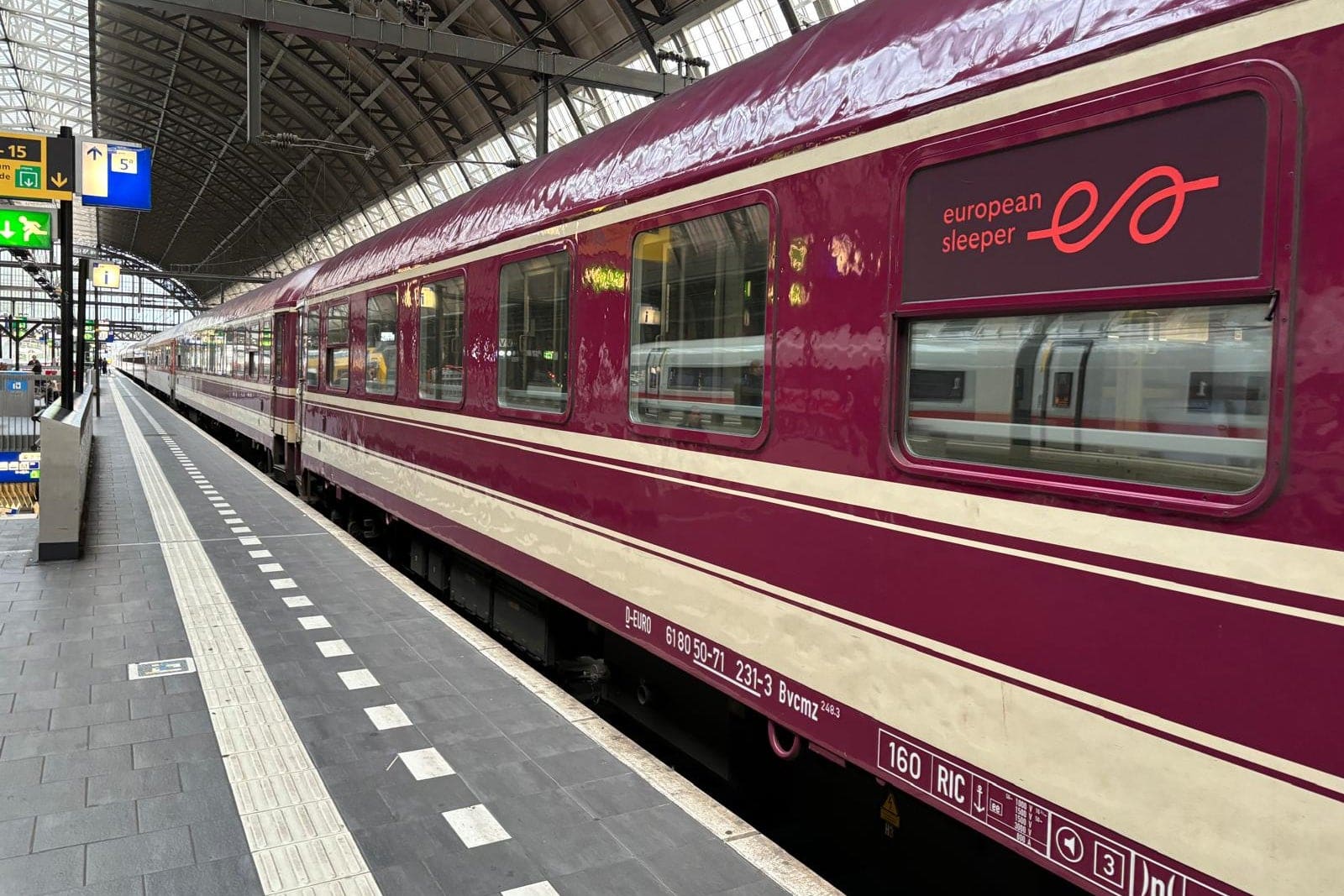
A Third Route for the Operator
European Sleeper began running trains between Milan and Brussels on 9 September, adding a north-south axis to its existing network that already covers Berlin, Prague and Amsterdam. The first departure rolled out of Milano Garibaldi station at 4.45pm local time, bound for the Belgian capital with arrival scheduled for 11.42am the following day.
The service operates three times weekly in each direction, though the schedule is staggered. Northbound trains leave Milan on Wednesday, Friday and Sunday evenings; southbound departures from Brussels run Thursday, Saturday and Monday evenings. Journey time sits just under 17 hours, a duration that reflects both the distance and the number of intermediate stops.
Routing Through Lakes and Mountains
The train's itinerary takes it through a slice of northern Italy, then up and over the Swiss Alps before cutting across western Germany into Belgium. Passengers boarding in Milan can alight at Como S. Giovanni, the lakeside station serving Lake Como, before the train continues to Swiss stops including Bellinzona and Göschenen, a gateway village for ski areas. The final evening call is Aarau, a town in the Swiss midlands, at 10.55pm.
After that, the train runs through the night across German territory. The first morning stop is Cologne at 8am, followed by Aachen near the Belgian border, then Verviers inside Belgium, before the terminus at Brussels-Midi.
That routing offers access to a range of landscapes and trip types. Someone heading to the Italian lakes can board in Brussels and wake up near Como. A skier travelling in winter can reach Göschenen without changing trains. And anyone moving between two major European cities now has a direct overnight option that avoids the hassle of airport transfers and early check-ins.
Pricing and Cabin Options
European Sleeper prices its tickets in four tiers. The entry point is a seated ticket in budget class, starting at €29.99 one way. That fare includes luggage allowance and reservation but no bed.
Couchette beds, which are shared compartments with fold-down bunks, begin at €49.99 and include bed linen. The operator also offers two private-cabin categories labelled Comfort Standard and Comfort Plus, priced from €99.99 and €129.99 respectively. The higher tier includes breakfast.
These fares sit at the lower end of the overnight train spectrum in Europe. For comparison, state-run sleeper services on routes such as Paris to Vienna or Zürich to Hamburg often start above €50 for a couchette, and private cabins can exceed €150. European Sleeper's pricing reflects its position as a relatively new entrant without legacy infrastructure costs, though it also means the rolling stock and onboard amenities are more modest than those of incumbent operators.
Expansion Plans Before Year-End
The current timetable is temporary. From 14 December, European Sleeper will add stops in Antwerp, Breda and Eindhoven, extending the route into the Netherlands. That change will also shift the departure days. After mid-December, southbound trains will leave Brussels on Sunday, Tuesday and Thursday evenings, while northbound services depart Milan on Monday, Wednesday and Friday evenings.
The addition of Dutch stops widens the catchment area considerably. Eindhoven and Breda are both sizable cities with their own demand for international rail connections, and Antwerp is Belgium's second-largest city and a major port. The expanded itinerary positions the service as a multi-city link rather than a simple point-to-point shuttle.
Why the Delay
The route was originally scheduled to start in June. European Sleeper postponed the launch by three months, citing track maintenance work in Germany. Infrastructure upgrades and maintenance windows are a recurring constraint for new cross-border rail services, which must negotiate access to tracks managed by multiple national railway companies. The delay underscores the operational complexity of running international sleeper trains, even when demand and regulatory approval are in place.
Sleeper Revival in Context
European Sleeper is part of a broader resurgence of overnight rail travel across the continent. After decades of decline, night trains have returned to favour as travellers look for alternatives to short-haul flights and as governments push for lower-emission transport options. Austria's ÖBB has expanded its Nightjet network aggressively in recent years, and France relaunched domestic night trains in 2021 after shuttering most of them a decade earlier.
The Brussels-Milan route fills a gap. Direct daytime trains between the two cities require at least one change, typically in Switzerland, and flying involves transfers to and from airports that sit outside both city centres. An overnight train eliminates a hotel night and delivers passengers to central stations, a meaningful convenience for business travellers and tourists alike.
Still, the competitive picture is mixed. Budget airlines operate multiple daily flights between Milan and Brussels, with fares sometimes dipping below €50 return during off-peak periods. Rail has the advantage on carbon footprint and downtown-to-downtown convenience, but it cannot match the speed of air travel. The success of this route will hinge on whether enough passengers value those trade-offs.
What It Means for Travellers
For now, the service provides a new option for anyone moving between northern and southern Europe without flying. The stops along the way add utility beyond the endpoints. Como, in particular, draws significant tourist traffic, and Cologne is a major hub in its own right. The December timetable change will make the train more accessible to travellers starting or ending in the Netherlands, a market with strong demand for sustainable transport.
European Sleeper's model relies on keeping costs low and frequencies modest. Three-times-weekly service is enough to test demand without overcommitting capacity, and the mix of seat, couchette and cabin options allows the operator to capture different segments. Whether that model proves financially sustainable remains to be seen, but the route is now operational and tickets are on sale.