A New Bloom for an Old Tradition
When Brussels' Grand-Place fills with flowers next week, visitors will notice something different underfoot. For the first time in the event's history, dahlias will replace the traditional begonias that have long formed the biennial carpet. The shift comes as begonia cultivation has declined across Belgium in recent years, prompting organizers to rethink their floral foundation.
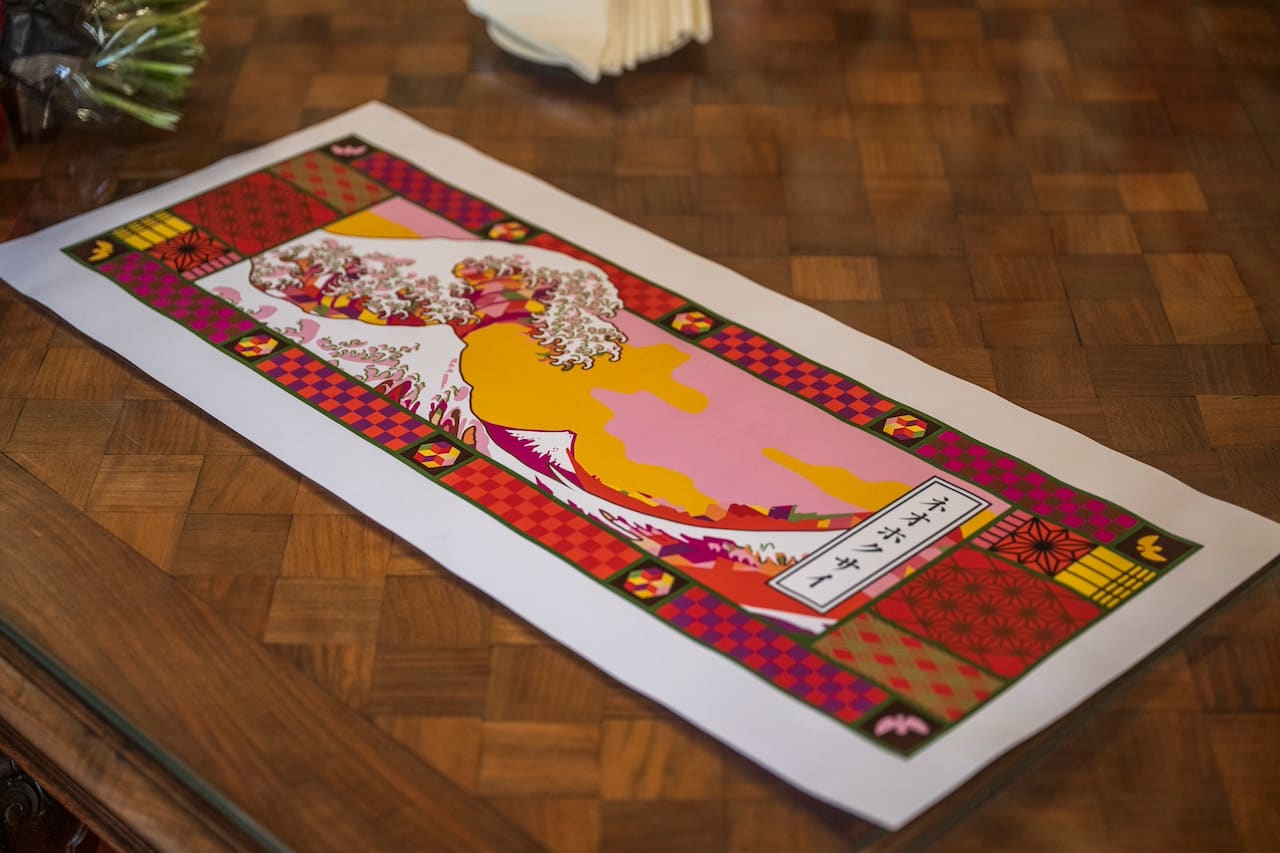
The change brings practical advantages. Dahlias offer a wider spectrum of vibrant colors, allowing for more nuanced designs. This year's edition will use around 700,000 flowers to cover nearly 1,680 square meters of the historic square, recreating Hokusai's Great Wave off Kanagawa in petals and stems.
The design was proposed by Japan, continuing a tradition where partner countries contribute the artistic vision. Japanese contemporary artist Hiro Sugiyama, a lecturer at Kyoto University of the Arts, worked with his Tokyo-based collective Enlightenment to adapt the iconic 19th-century woodblock print for the floral medium. Sugiyama's work typically blends pop culture with Japanese aesthetics, and he framed this project as a bridge between analogue and digital, past and future.
Two Carpets, One City
This year marks another departure: a second flower carpet will appear at the Brussels Bourse, inspired by hops as a nod to Belgium's brewing heritage. The dual installation expands the event beyond its single-site tradition, spreading the spectacle across the city center.
The main carpet remains a feat of manual labor. More than 100 volunteer gardeners will assemble the design in under six hours, inserting each flower by hand into rolls of turf. The density of the plantings creates a microclimate that keeps the display fresh throughout its four-day run, even during stretches of summer heat. Gardeners water the carpet continuously, and any gaps are filled with turf the day before opening.
The Grand-Place provides a dramatic backdrop. The square, a UNESCO World Heritage Site since 1998, dates to the 15th century and was rebuilt by guilds after French bombardment in 1695. Its mix of Gothic, Baroque, and neo-Gothic architecture frames one of Europe's most striking public spaces.
A Recurring Partnership
This is the second time Japan has been the focal point for the flower carpet. In 2016, the square was transformed into a Japanese landscape featuring koi carp, traditional motifs, and natural scenery to mark 150 years of diplomatic relations. This year's edition celebrates 160 years of friendship between Belgium and Japan.
Takeshi Osuga, Japan's ambassador to Belgium, emphasized the shared cultural importance of flowers in both countries. The symbolism runs deep in Japanese tradition, from cherry blossoms to ikebana, while Belgium's horticultural heritage has long been tied to its identity.
For those who want a preview, Mini-Europe has installed a miniature version of the carpet on its scale replica of the Grand-Place. The model offers a glimpse of what the full design will look like when it opens on August 13.
Viewing Options and Access
Entry to the Grand-Place during the event is free, though crowds are expected. For a better vantage point, visitors can purchase tickets to the balcony of the Hôtel de Ville, which overlooks the square. A separate View Tower Experience takes visitors up 200 steps to the top of the City Hall Tower for a 360-degree view over the city and the carpet below.
The flower carpet runs from August 13 to 16, a brief window that reflects the logistical challenge of maintaining such a large living installation. The event typically draws visitors from across Europe and beyond, and this year's combination of artistic pedigree and horticultural novelty is likely to amplify interest.
The switch to dahlias may be driven by necessity, but it also signals adaptability. As cultivation patterns shift and climate conditions change, even long-standing traditions find ways to evolve. The result, in this case, is a carpet that honors both the past and the practicalities of the present.