A Complete Halt to Operations
Brussels South Charleroi Airport will close its doors entirely for 11 weeks during the second half of 2028. The reason is straightforward: the airport's single runway has reached the end of its working life and needs to be completely rebuilt. For an airport that handles more than 10 million passengers annually, the implications are substantial.
The runway, according to airport authorities, has a functional lifespan of roughly 25 years. That clock has run out. What follows is what the airport calls its largest infrastructure project to date. The work will include not just resurfacing but a full reconstruction, along with drainage upgrades, new lighting systems, updated markings, and other airfield improvements designed to keep the facility operational for decades.
Because the airport operates with only one runway, there is no way to keep flights moving while construction proceeds. The decision to bundle all the work into a single 11-week window is intended to minimize the overall disruption, even if it means a total shutdown in the short term.
Timing and Tension
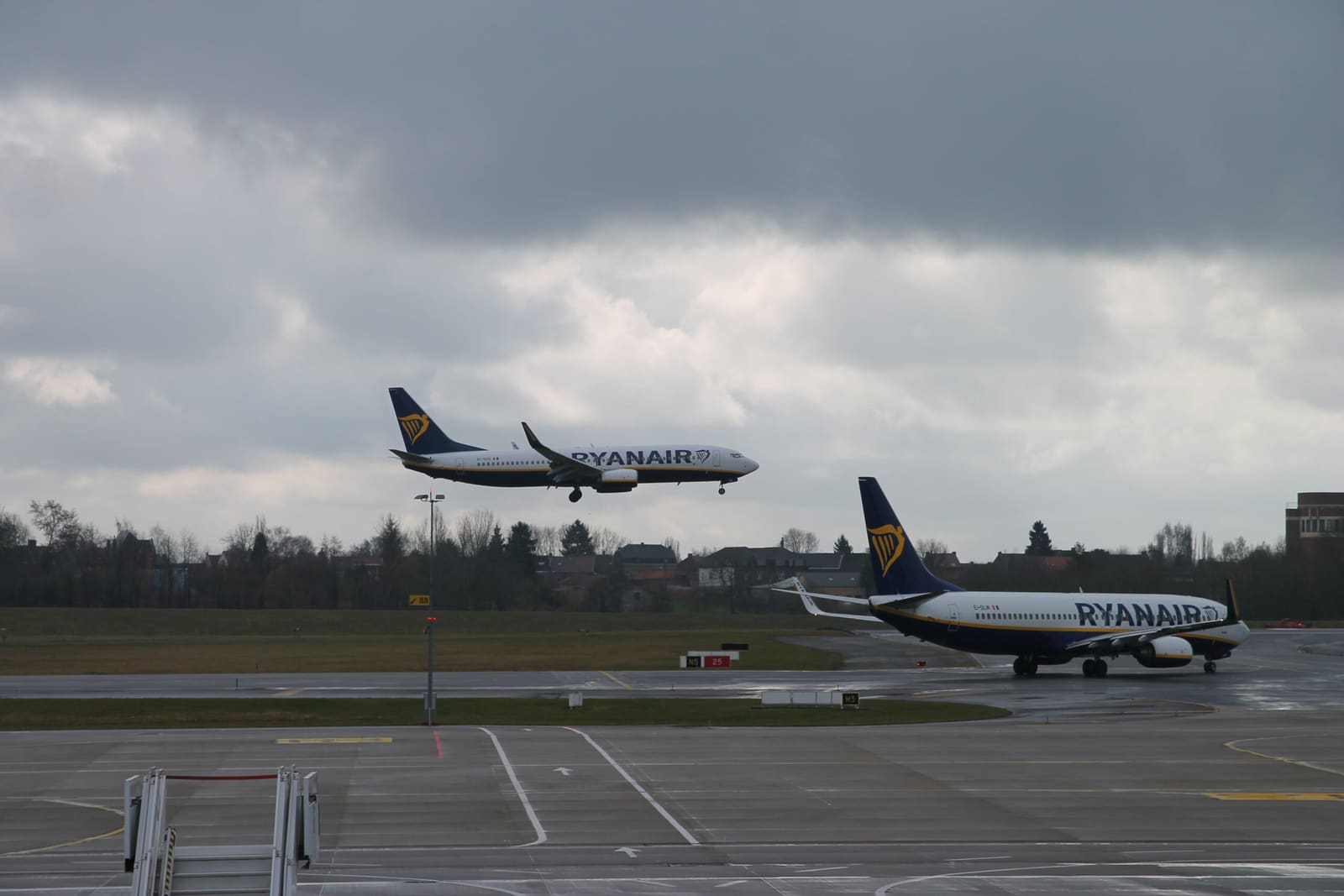
The announcement has unsettled trade unions, airport employees, and travelers, particularly because it arrives during a period of friction between the Walloon regional government and Ryanair, the airport's dominant carrier. Ryanair has already said it will cut two million seats from its Charleroi schedule due to disagreements over local taxes and fees. The regional government, in turn, has pushed the airport to diversify beyond its reliance on a single low-cost airline.
Airport officials insist the closure is purely a technical necessity, not a political maneuver. Walloon Minister of Airports Cécile Neven has emphasized that planning for the runway renovation began years ago, with a formal decision on the 2028 timeline made in November 2024 by SOWAER, the regional body responsible for airport infrastructure in Charleroi and Liège.
Still, the timing has fueled skepticism. Trade union representative Alain Goelens questioned whether airlines will restore all their routes once the airport reopens. He also raised concerns about wage guarantees for employees who will be temporarily laid off during the closure. So far, those questions remain unanswered.
What Happens to the Passengers
For travelers, the closure means rerouting. Brussels Airport, the country's largest, could absorb some of the displaced traffic, but its available slots are limited. Other nearby airports such as Liège, Lille, and Maastricht Aachen may pick up some of the slack, though no airline has yet announced detailed contingency plans.
Passengers holding bookings during the closure period will likely face one of three outcomes: rebooking on alternative flights, relocation to a different departure airport, or a refund. The airport has committed to publishing a detailed construction schedule well ahead of time to give airlines, passengers, and commercial partners enough notice to adjust.
The scale of the disruption will depend largely on how Ryanair, which uses Charleroi as its main Belgian hub, responds. The airline serves dozens of European and Mediterranean destinations from the airport, and any prolonged absence could shift travel patterns across the region.
Infrastructure or Strategy
Charleroi's role in Belgium's aviation landscape is significant. As a low-cost hub, it has made international travel accessible to a broader demographic and brought a steady stream of inbound tourists. The runway project is framed as essential maintenance, but it also arrives at a moment when the airport's business model is under scrutiny.
The Walloon government's call for carrier diversification reflects a broader anxiety about overdependence on a single airline. Ryanair's seat cuts have already demonstrated the vulnerability of that arrangement. Whether the 11-week closure accelerates or complicates that diversification effort remains to be seen.
For now, the focus is on logistics. The airport has promised transparency in its planning and coordination with stakeholders. Whether that will be enough to reassure unions, airlines, and passengers is another question. The runway needs replacing. The challenge is managing everything that happens while it does.