An Experiment in Extreme Conditions
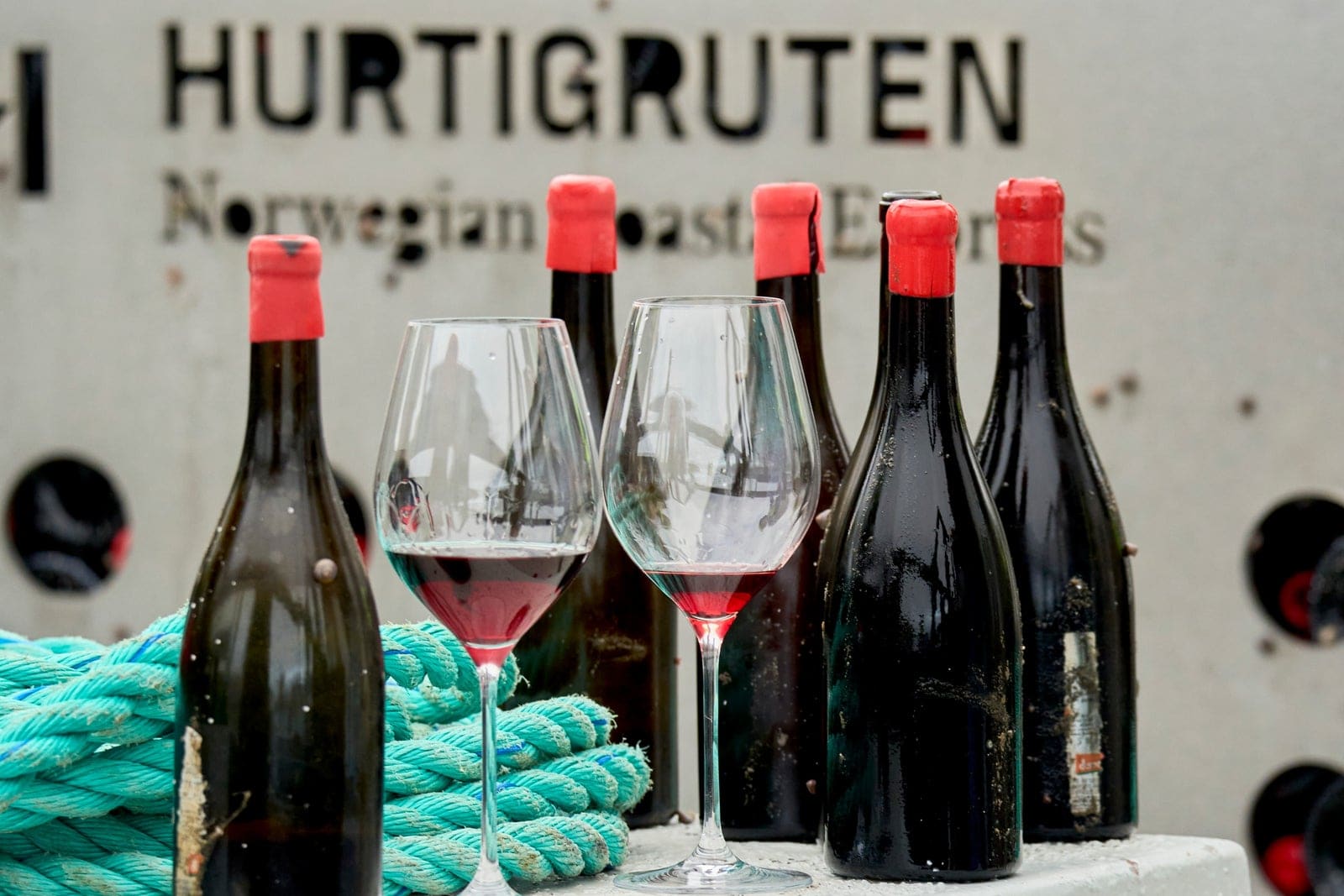
Norwegian cruise operator Hurtigruten has retrieved 1,002 bottles of Barolo that spent a year submerged 34 metres beneath the Arctic Ocean. The bottles were lowered off the coast of Kirkenes, in northern Norway, at 70 degrees north latitude, where they sat in near-total darkness, constant cold, and roughly four bar of pressure.
The company partnered with Rivetto, an Italian winery from Serralunga d'Alba in the Barolo region, to test what would happen when one of Italy's most respected red wines was matured under Arctic conditions rather than in a traditional cellar. The water temperature hovered between five and six degrees Celsius throughout the year.
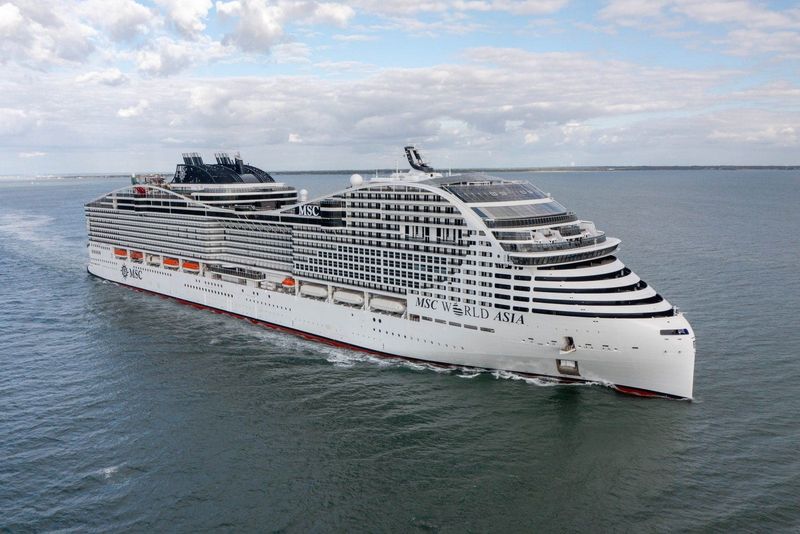
Hurtigruten has now opened the first bottles and will serve the Arctic-aged Barolo exclusively on its ships along the Norwegian coast.
A Marked Difference in the Glass
Henrik Dahl Jahnsen, president of the Norwegian Sommelier Association, led the first tasting and compared the ocean-aged bottles with a control sample that had remained in a land-based cellar for the same period.
The differences were immediate. The Arctic Barolo showed a brighter, more youthful ruby colour and a sharper aromatic profile, with notes of wild fruits and flowers more pronounced than in the cellar version. The tannins felt fresher and crunchier, giving the wine what Jahnsen described as a more youthful expression overall.
He noted that the clarity of the difference surprised him. The ocean environment appeared to slow or alter the ageing process in ways that a conventional cellar does not.
Why the Arctic Works
The conditions 34 metres down are stable in ways few cellars can match. The temperature barely fluctuates, there is no light, and the pressure is consistent. These factors seem to have preserved certain qualities in the wine that typically soften or fade over time in a traditional environment.
Before its Arctic descent, the Barolo had already undergone its standard maturation, including 24 months in large oak casks. Rivetto is a certified organic and biodynamic estate, and the wine itself comes from one of the Barolo appellation's core zones.
Tani Gurra, front of house and beverage director at Hurtigruten, acknowledged that placing Italian wine in Arctic waters might sound odd. But the sense of curiosity, she said, was the point. The project was as much about exploration as it was about the final product.
What It Means for Passengers
Guests sailing Hurtigruten's Norwegian coastal routes will now be able to order the Arctic Barolo on board. The wine will not be available elsewhere, making it exclusive to the ships that pass through the same waters where the bottles were aged.
The experiment raises questions about whether other wines, or other products altogether, might benefit from similar treatment. Submerging wine is not new; producers in other parts of the world have experimented with ocean ageing, typically in warmer waters. But the Arctic environment offers a different set of variables, and the results here suggest that cold, stable conditions can shape a wine in unexpected ways.
For now, the 1,002 bottles represent a limited run. Whether Hurtigruten and Rivetto will repeat the process, or expand it, remains to be seen. But the first tasting suggests the experiment worked, at least in terms of producing something distinct from what a cellar can offer.