Advisory Lifted After Months
The UK Foreign Office no longer advises against non-essential travel to the United Arab Emirates, a shift that took effect in June after months of restrictions tied to the conflict between Iran and the United States. The advisory had been in place since February, when hostilities broke out, effectively freezing leisure travel for much of the spring and early summer.
The most recent update, issued on 18 June, removed the warning but kept a caution in place: the situation across the Middle East remains unpredictable. That language has not changed as of mid-September, even as Houthi rebels escalate attacks on Saudi Arabia, the UAE's northern neighbour. On 15 September, the group claimed to have downed a Saudi F-15 fighter jet over Marib province in Yemen.
For travellers weighing a trip to Dubai or Abu Dhabi, the practical takeaway is that standard travel insurance should now apply. Policies typically become invalid when the Foreign Office advises against travel, so the June update restored coverage for most visitors. Still, it is worth checking individual terms, especially clauses that cover conflict-related disruptions.
What Travellers Should Expect
The Foreign Office continues to publish guidance for British nationals in the region, urging them to read its crisis-abroad document, follow local authorities and register for travel-advice email alerts. The advice includes staying away from security or military installations, keeping travel documents current and sheltering indoors if instructed.
Since early July, Iran has carried out strikes and retaliatory attacks across several locations, targeting US military and civilian infrastructure. The Foreign Office warns that more strikes could follow and that escalation remains possible. Before a ceasefire took hold, Iranian officials had signalled intent to strike organisations, businesses and facilities linked to the United States and Israel.
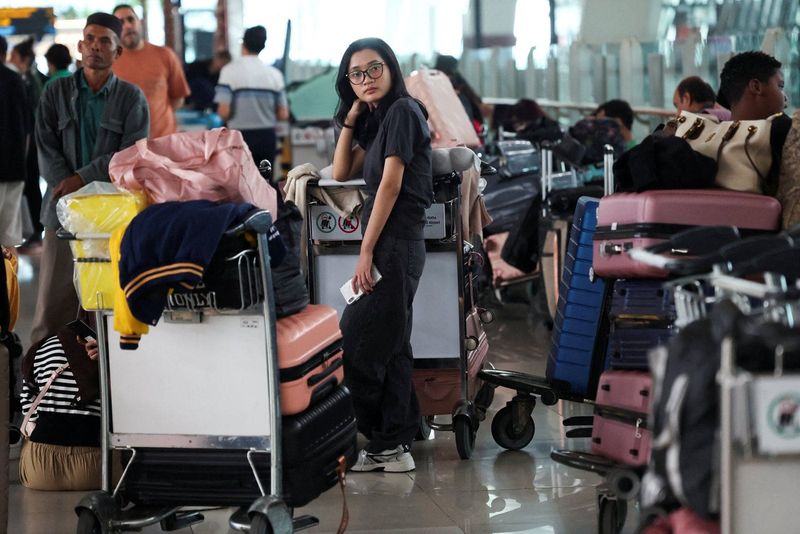
Flight disruptions are the most immediate concern. On 16 September, Dubai International reported delays affecting more than 294 flights, while Abu Dhabi logged 99. Commercial services to the UK have resumed, but British Airways and Virgin Atlantic have cancelled or suspended some regional routes. Under UK air-passenger rights, travellers whose flights are cancelled are entitled to be rebooked on the next available service, regardless of carrier.
Insurance and Refund Rules
Package holidays are operating again, and there is no automatic right to a refund if you choose to cancel. Travel insurance will not cover a change of heart, and the absence of a Foreign Office warning means tour operators are under no obligation to offer penalty-free cancellations.
That changes if the advisory is reinstated. Should the Foreign Office revert to warning against all travel, package-holiday customers can cancel for a full refund without penalty. Until then, the standard cancellation terms in your booking contract apply.
The UAE's appeal has always rested on its mix of ambitious architecture, year-round sun and efficient infrastructure. Dubai and Abu Dhabi have spent years building reputations as stable, visitor-friendly hubs in a region that can feel volatile. The February conflict tested that image, and the June reopening is a signal that officials believe conditions have stabilised enough to welcome tourists back.
Airspace and Broader Context
Periodic airspace closures remain a risk. The Foreign Office notes that British nationals in the Middle East should be prepared for flight cancellations and travel disruptions tied to these closures. Airlines have shown willingness to suspend routes quickly when conditions shift, and that pattern is likely to continue as long as strikes and counter-strikes persist in neighbouring territories.
The Houthi attacks on Saudi Arabia add a layer of uncertainty, but the UAE itself has not been a recent target, and its airports continue to function. The scale of delays reported on 16 September suggests operational strain rather than a security shutdown, though the two can be hard to disentangle when airspace restrictions ripple across the Gulf.
For now, the path is clear for travellers who want to visit. The insurance is valid, the flights are running and the Foreign Office has given its conditional approval. What remains unclear is how long that window will stay open if the regional situation deteriorates further.