The Numbers Tell the Story
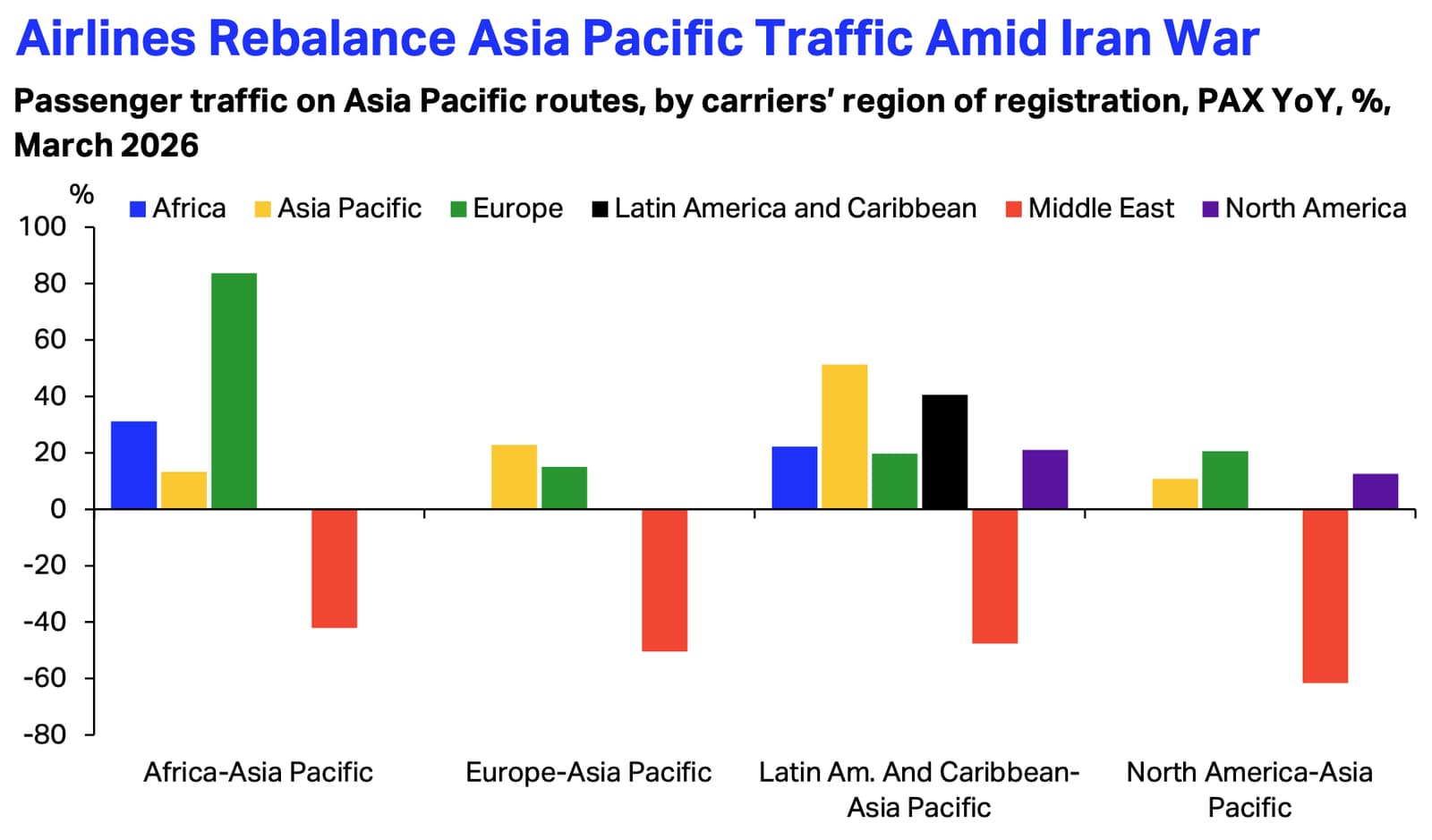
Dubai International handled 31.5 million passengers in the first six months of 2026, down 31.3% compared to the same period last year. The second quarter alone saw 13 million travellers pass through, according to data from Dubai Airports. Aircraft movements across the broader Middle East region dropped 32.1% to 62,500 in the second quarter, with the half-year total reaching 150,600 movements, according to IATA Sustainability and Economics.
The declines reflect the ripple effects of military tensions that closed airspace and grounded flights for weeks. Missile and drone activity forced temporary shutdowns at airports across the Gulf, leaving thousands of passengers stranded and prompting some governments to arrange emergency repatriation flights.
What Happened on the Ground
The disruption lasted roughly two months, during which airlines rerouted capacity to other markets and travellers reconsidered plans to visit the region. Social media amplified the anxiety: videos of drone strikes and travellers sheltering in hotel lobbies circulated widely, damaging the perception of the Gulf as a stable destination.
Foreign residents in the United Arab Emirates found themselves stuck, unable to leave or return as scheduled. Airlines pulled out of routes temporarily, and fuel supply chains tightened. The airport itself sustained minor damage during the period of heightened military activity.
Consumer confidence took a hit. For a region that depends heavily on its reputation for seamless connectivity and year-round sunshine, the images were a setback that numbers alone can't capture.
The Push to Rebuild Momentum
In July, Dubai's Department of Economy and Tourism launched a programme called "A Dubai Invite," designed to lure visitors back during the traditionally quieter summer months. The initiative offers UAE residents incentives worth more than 3,000 dirhams (around 716 euros) if they persuade friends or family abroad to visit between late July and the end of October. The rewards include hotel stays, dining vouchers, attraction tickets, and other perks spread across more than 20 partners.
It's a direct response to the drop in arrivals. Authorities are banking on personal networks to rebuild trust faster than advertising campaigns can.
Paul Griffiths, CEO of Dubai Airports, told the Associated Press that he sees reason for optimism. Passenger volumes began climbing again over the second quarter, and he expects carriers that suspended service to return soon. "The trajectory now is universally positive," he said, adding that he's confident the airport will return to full operations quickly.
What Comes Next
The airport is preparing for airlines to restore capacity on Middle East routes, though the timeline depends partly on factors beyond Dubai's control. The Strait of Hormuz, a critical shipping and oil transit point, remains effectively closed, complicating logistics and fuel supply for the region.
Recovery will hinge on sustained calm, the return of long-haul carriers, and whether travellers feel secure enough to book trips again. Dubai has spent years building its hub status on reliability and scale. The first half of 2026 tested that foundation in ways the emirate hadn't faced before.
For now, the focus is on getting planes back in the air and people back through the terminals. The data from the second quarter suggest the worst may be over, but the road back to pre-conflict traffic levels will take time, coordination, and no small amount of reassurance.