A Major Hub Under Pressure
Dubai International Airport, one of the world's busiest aviation hubs, handled 31.5 million passengers in the first six months of 2026. The figure represents a steep decline from the same period last year, with traffic dropping by roughly a third. The second quarter alone brought 13 million travelers through the terminals, far below historical norms for the facility.
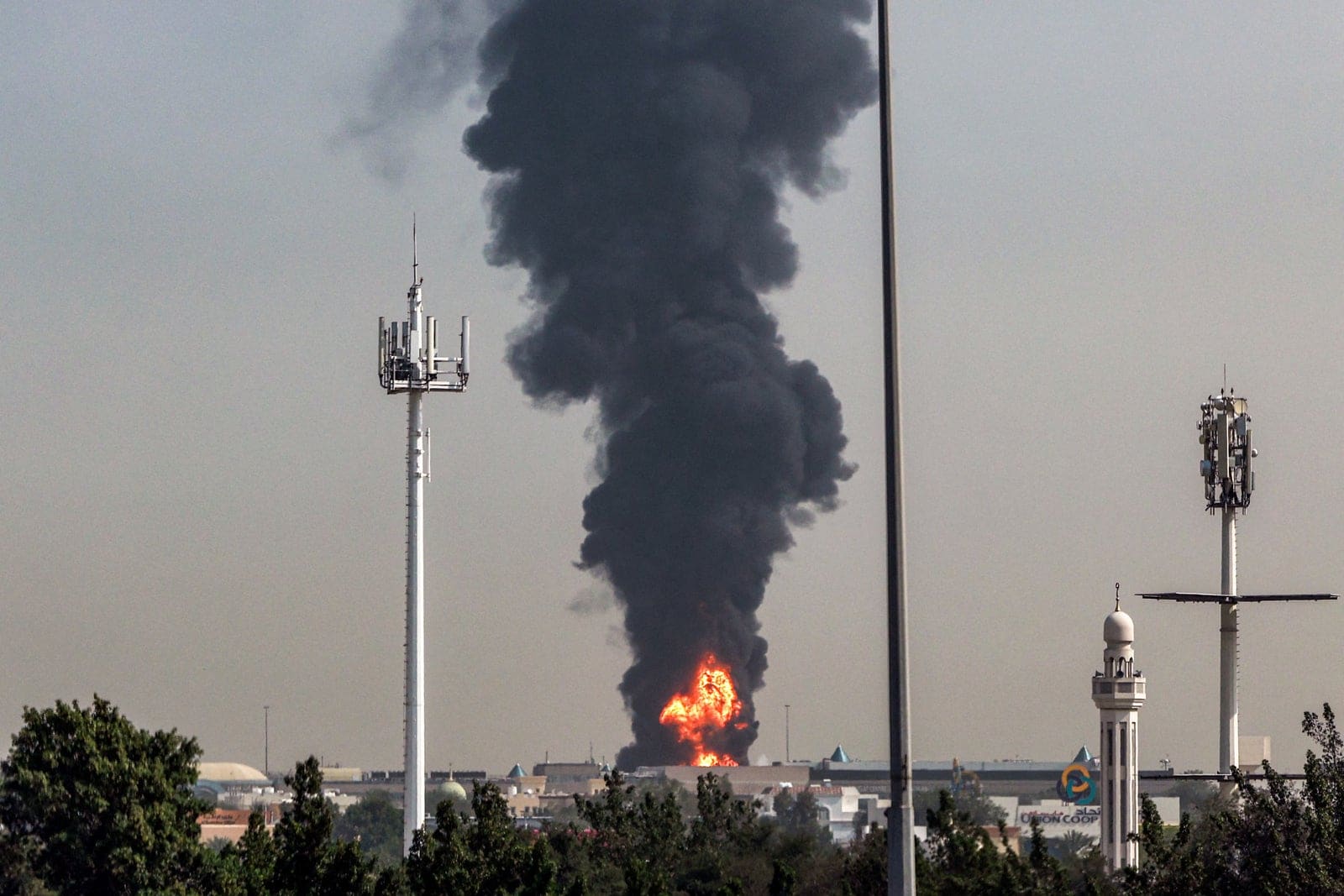
The drop stems from military actions that erupted in late February, when airstrikes targeted Iranian sites. The resulting instability forced airspace closures and operational restrictions across the United Arab Emirates and neighboring Gulf states. The airport itself sustained minor damage during retaliatory strikes, adding to the disruption.
Aircraft movements followed a similar trajectory. The airport logged 150,600 takeoffs and landings in the first half, down 32% year-on-year. The second quarter accounted for 62,500 of those movements, reflecting the twin pressures of security concerns and route adjustments by international carriers.
Recovery Signs Emerge
Paul Griffiths, the airport's chief executive, pointed to improving trends within the second quarter itself. Monthly passenger numbers climbed steadily between April and June, a pattern he expects to continue as carriers regain confidence in the region's airspace.
The two-month disruption hit hardest during the initial weeks, when uncertainty kept many airlines grounded or rerouted. Now, according to Griffiths, the challenge lies in bringing back foreign carriers, particularly those operating from European cities. Many of those airlines suspended Dubai service entirely or shifted capacity to other hubs outside the Middle East.
Griffiths expressed confidence that full operational capacity will return soon, though he did not specify a timeline. The airport's performance in recent weeks suggests demand is rebuilding, but the pace depends heavily on decisions made by carriers weighing risk against commercial opportunity.
Lingering Uncertainty
While Dubai's traffic shows signs of stabilizing, broader regional tensions remain unresolved. The Strait of Hormuz, a critical waterway for maritime and aviation logistics, remains closed despite a temporary transit arrangement between Iran and Oman. Iranian officials clarified that the agreement does not constitute a full reopening of the strait, leaving uncertainty for both shipping and flight planning.
The distinction matters for airlines. Flight paths over the Gulf require coordination with multiple air traffic control centers, and any ambiguity about airspace access translates into longer routes, higher fuel costs, and reduced schedule reliability. Carriers have shown they will avoid regions where operational clarity is lacking, even if that means sacrificing lucrative markets.
Diplomatic efforts have yet to produce a clear path forward. Statements from regional and international leaders suggest the conflict is far from settled, with military posturing continuing alongside sporadic negotiations. For Dubai, that means the recovery timeline hinges not just on its own infrastructure readiness but on geopolitical developments beyond its control.
What It Means for Travelers
The numbers reveal how quickly a major hub can lose its position when instability strikes. Dubai built its aviation dominance on geographic advantage, connecting Asia, Europe, and Africa through a single stop. That model depends on predictable airspace access and traveler confidence, both of which eroded rapidly in early 2026.
Passengers who once routed through Dubai now find themselves on longer journeys through alternate hubs in Europe, Turkey, or the Levant. Airlines have adjusted schedules accordingly, shifting capacity to corridors perceived as safer. Whether those shifts prove temporary or mark a lasting reconfiguration depends on how long the current uncertainty persists.
For the airport and the broader UAE economy, the stakes are high. Aviation and related services form a significant portion of Dubai's GDP, and extended traffic declines ripple through hospitality, retail, and logistics sectors. The monthly uptick in passenger numbers offers hope, but sustained recovery requires both operational restoration and a return of traveler confidence, neither of which can be engineered quickly.