A Route That's Been Missing
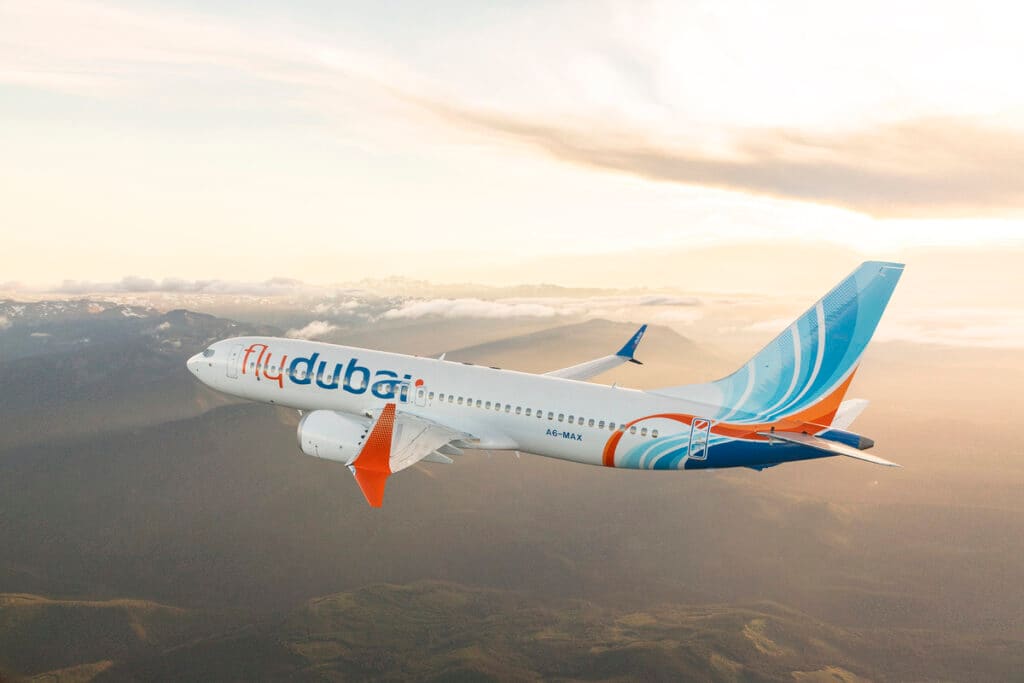
On July 20, passengers will board a flydubai jet in Dubai bound for Aleppo, a journey that has been impossible as a direct flight for nearly a decade and a half. The Dubai-based carrier is launching daily service to Syria's northern commercial centre, making Aleppo its second Syrian destination after it reintroduced Damascus flights last year.
The move addresses a clear gap in the market. Travellers between the UAE and Aleppo have relied on connections through Beirut, Amman, or Istanbul, adding hours and complexity to what is a relatively short hop. The new route cuts that friction, with a flight time under three hours.
Who's Flying and Why
Aleppo sits at the heart of a region with deep trade and cultural links to the Gulf. Business travellers form one slice of the expected passenger base, particularly those involved in reconstruction, textiles, and agricultural commerce. The Syrian diaspora scattered across the UAE and wider Gulf represents another significant group, many of whom maintain family and property ties back home.
According to flydubai, demand has been strong enough to justify a daily schedule from launch. The airline's Chief Executive Officer, Ghaith Al Ghaith, pointed to the service as part of a broader strategy to connect markets that lack convenient air links. "The introduction of our daily service to Aleppo marks an important milestone in our network expansion strategy," Al Ghaith said.
The timing also taps into peak summer travel, when visiting friends and relatives traffic typically surges across the Middle East.
Building on Damascus Momentum
flydubai's confidence in the Aleppo route stems partly from how Damascus has performed. The carrier became the first UAE airline to offer daily service to the Syrian capital in June 2025. Demand proved robust enough that it now operates three daily flights on that route.
Hamad Obaidalla, the airline's Chief Commercial Officer, noted the positive response. "The resumption of our non-stop service to Aleppo builds on this momentum, providing our customers with greater choice and more convenient travel options between Dubai and Syria," he said.
The Damascus experience offers a useful benchmark. If Aleppo follows a similar trajectory, frequency could increase within the first year, though the airline has not announced any such plans yet.
Schedule and Pricing
The Aleppo service departs Dubai International Airport's Terminal 3 at 11:00 a.m., arriving at 1:40 p.m. local time. The return leg leaves Aleppo at 2:40 p.m. and lands back in Dubai by 7:20 p.m. That schedule allows for same-day business trips in either direction, though tight, or comfortable connections onward through Dubai's extensive network.
Fares start at AED 1,800 (roughly USD 490) for a return ticket in Economy Lite from Dubai, and USD 470 from Aleppo. Business Class return fares begin at AED 8,000 from Dubai and USD 2,000 from Aleppo. Those prices position the service competitively against multi-stop alternatives, particularly when factoring in time saved.
The flights operate on Boeing 737 aircraft, which flydubai configures with lie-flat seats up front and standard economy seating behind. In-flight entertainment and meal service are included, and the planes carry cargo capacity to support trade flows in both directions.
The Codeshare Advantage
flydubai's partnership with Emirates adds another layer of connectivity. Passengers can book single-ticket itineraries that combine the Aleppo flight with Emirates' long-haul network, checking bags through to final destinations. That matters for diaspora travellers originating in Europe, Asia, or beyond who use Dubai as a hub.
The codeshare arrangement also means flydubai passengers can access Emirates lounges and vice versa, smoothing the transfer experience. For a carrier like flydubai, which focuses on point-to-point routes to secondary cities, the Emirates tie-up extends its effective reach far beyond what its own fleet could achieve.
Aleppo's Aviation Context
Aleppo International Airport has seen limited international service in recent years. The resumption of daily flights from a major Gulf hub signals growing confidence in the route's viability, both commercially and operationally. The city itself, one of the world's oldest continuously inhabited urban centres, has historically been a trade crossroads linking Anatolia, Mesopotamia, and the Levantine coast.
Restoring air links is part of a broader pattern of normalisation and economic re-engagement across the region. Other carriers have cautiously added or resumed routes to Syrian cities as demand and conditions allow. flydubai's entry with a full daily schedule, rather than a tentative weekly service, suggests it sees sustained demand rather than a short-term opportunity.
What Comes Next
flydubai now serves more than 140 destinations with a fleet of 97 Boeing 737s. The airline has carried over 137 million passengers since launching in 2009, and it continues to add routes at a steady clip. Recent launches include Benghazi in Libya and Bangkok in Thailand, with Pokhara in Nepal scheduled for September.
The focus remains on markets that lack direct connectivity to Dubai, whether because of geography, politics, or simply insufficient demand to attract larger carriers. Aleppo fits that profile. It's a city with economic weight and a sizeable population, but not the kind of glamorous destination that typically draws attention from network planners at legacy airlines.
Whether the route proves sustainable will depend on how well the initial demand holds up and whether broader travel patterns between the UAE and Syria continue to normalise. For now, the daily service offers a straightforward option that didn't exist a month ago, and that's enough to matter for the people who need it.