A Cash Incentive for Word-of-Mouth Tourism
Dubai is paying its residents to bring visitors to town. Through a program launched by the Department of Economy and Tourism, anyone living in the emirate can nominate up to five international guests at a time and receive benefits packages worth up to AED 3,000 - roughly $680 - per nomination. The initiative runs through the end of October.
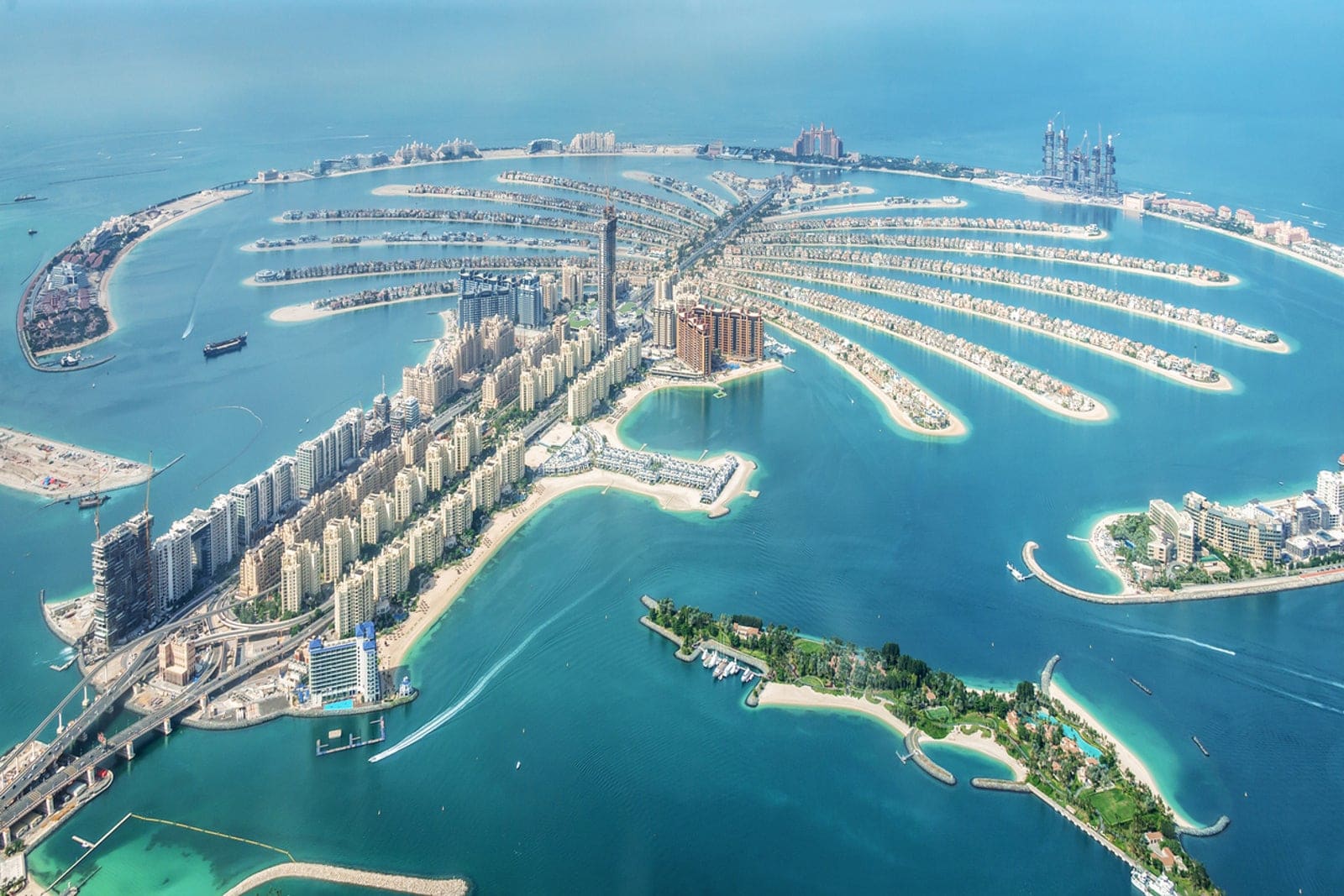
The mechanics are straightforward. Residents register their guests' details and arrival dates on an official nomination portal. Once authorities confirm the visitor has arrived on a valid tourist visa, the host receives an email with instructions to claim rewards. Those rewards range from hotel discounts exceeding forty percent to complimentary tickets at waterparks and two-for-one deals at beach clubs along Palm Jumeirah.
Eligibility is narrow but deliberate. Nominees must be non-UAE residents arriving by air, sea, or land on tourist visas. Hosts need to be eighteen or older, hold a valid Emirates ID, and be either citizens or residents of any nationality. The setup excludes business travelers and those already living in the country, focusing squarely on leisure arrivals with a personal connection to someone local.
Timing and Context
The program arrives at a moment when Dubai's tourism engine has downshifted. The city welcomed nearly twenty million international visitors in 2025, but the first half of this year saw commercial flight disruptions and travel advisories tied to escalating tensions between Iran and the United States. While Dubai itself was not a conflict zone, its proximity to the region and its role as a major aviation hub made it vulnerable to knock-on effects - rerouted flights, cautious travelers, and a general chill in bookings.
Offering financial incentives to residents is an unusual tactic, even for a destination as marketing-savvy as Dubai. Most cities lean on advertising campaigns or trade partnerships to recover from a slump. This approach leverages the trust and enthusiasm of people who already live there, treating them as unpaid brand ambassadors with a vested interest in showing off their city. It also injects immediate value into the local hospitality and attractions sectors, since the perks are redeemable at participating hotels, restaurants, and venues through the end of next year.
What the Package Includes
The rewards menu is varied. A forty-five percent discount at a desert resort, free entry to a major waterpark, discounted taxi rides, and credits at high-profile restaurants are all part of the mix. The packages are designed to showcase different facets of Dubai - luxury stays, family entertainment, dining, and transport - while spreading spending across multiple operators. Hosts can stack nominations, meaning a resident who successfully brings five groups of visitors could theoretically access benefits worth over $3,400 over the program's duration.
Redemption runs through December next year, giving visitors and hosts a long window to use the perks. That extended validity suggests Dubai is thinking beyond a short-term bounce, aiming instead to seed repeat visits and longer-term word-of-mouth momentum. It also signals confidence that the current headwinds will ease, and that travelers will feel comfortable planning trips well into the future.
A Test of Peer Influence
The program rests on a bet that personal relationships are more persuasive than glossy ads. A friend's invitation carries weight that a billboard cannot match, especially when safety or uncertainty is part of the calculation. By compensating residents for that social capital, Dubai is effectively turning its population into a distributed sales force - one that can address concerns, share firsthand experience, and tailor the pitch to individual interests.
There are risks. If the incentives feel transactional, they could backfire, making invitations seem motivated by rewards rather than genuine hospitality. And if visitor numbers do not rebound as hoped, the program may end up subsidizing trips that would have happened anyway, rather than generating new demand. But in a competitive regional landscape where Gulf cities are constantly vying for the same pool of travelers, the willingness to experiment is notable.
Dubai has long relied on scale and spectacle to draw crowds. This initiative adds a human layer to that formula, banking on the idea that the best marketing for a city is someone who already calls it home.