A Private-Finance Gambit
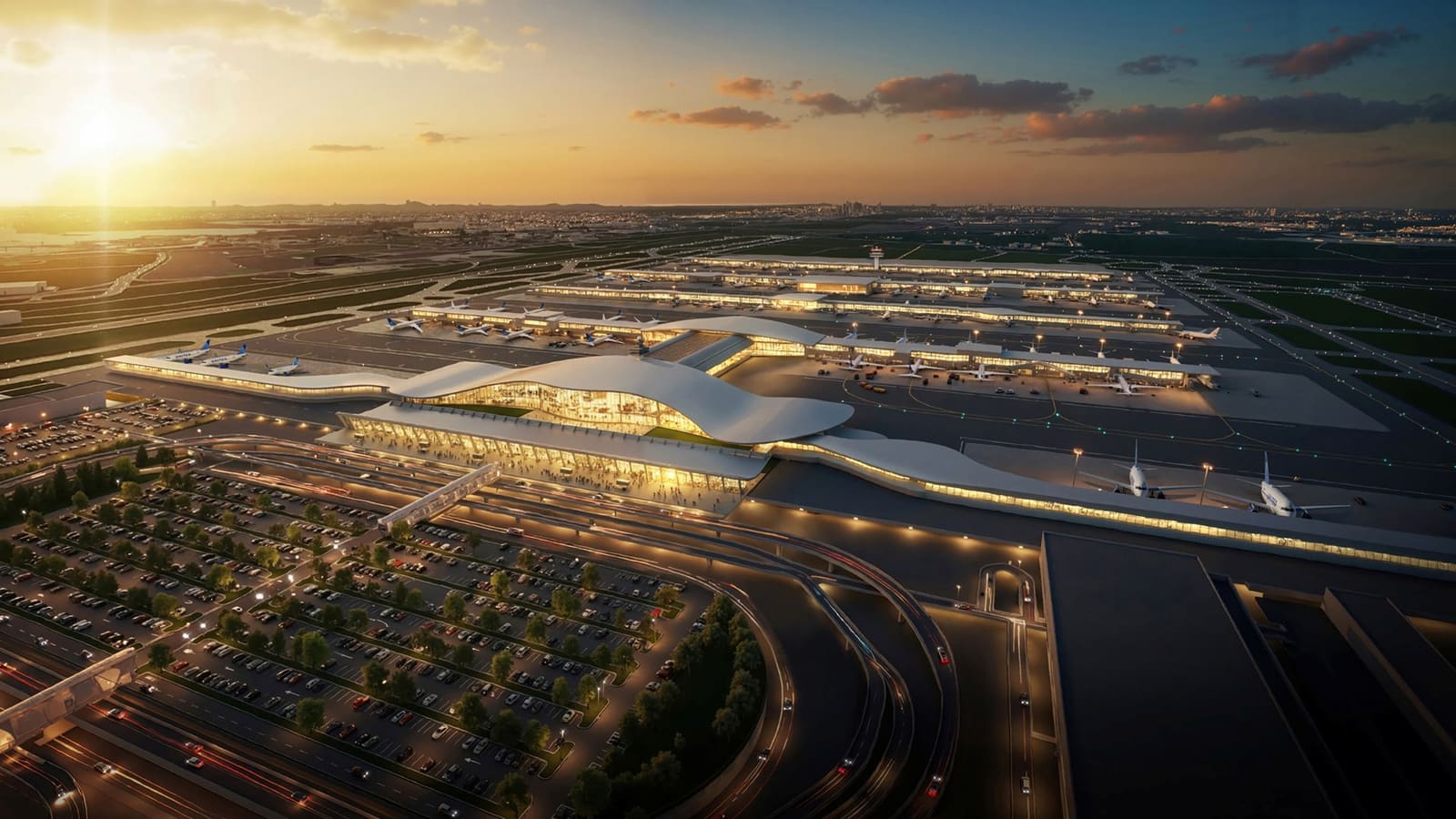
Washington Dulles International Airport is about to embark on one of the largest airport renovations in U.S. history. The project carries a $22 billion price tag and will unfold over the next eight years, according to Transportation Secretary Sean Duffy. What sets it apart is the funding model: not a cent of federal taxpayer money. Instead, the Metropolitan Washington Airports Authority, municipal bonds, and airlines - chiefly United, which accounts for 70% of traffic at Dulles - will foot the bill.
The plan calls for parking to accommodate at least 32,000 additional vehicles, expanded check-in facilities, a tunnel system to replace the airport's aging mobile lounges, and upgrades to concourses that were labeled temporary when they opened four decades ago. President Donald Trump has also requested large windows and gilded finishes throughout the complex, a nod to his taste for high-shine interiors.
Why Dulles, Why Now
Dulles handled 29 million passengers in 2025, a 6.4% jump that made it the fastest-growing large U.S. airport by passenger volume last year. The infrastructure, however, has not kept pace. The mobile lounges - buses that ferry passengers across the tarmac - are widely regarded as slow and inconvenient. The temporary concourses, built in the 1980s, remain in use. Trump described the airport as "considered one of the worst airports anywhere in the world" and said the moment had arrived "for a major and long overdue renovation."
The renovation is also part of a broader effort to reshape Washington's public spaces. Duffy called it the "cherry on top" of a plan to "make DC safe and beautiful." Other projects in the pipeline include modifications to the Oval Office, a redesigned Rose Garden, new sidewalks for Lafayette Square, a visitors' complex, work on the Lincoln Memorial Reflecting Pool, a triumphal arch, and the National Garden of American Heroes. Trump reportedly reviewed more than 30 design proposals over several months before settling on the current scheme.
The Cost Question
Because the project relies on private finance rather than direct government appropriation, the burden will ultimately fall on airlines, bondholders, and - by extension - passengers. Aviation stakeholders and travelers have raised concerns about what the renovation will mean for ticket prices, which are already elevated in the wake of Middle East security tensions and their effect on fuel costs. Airlines typically pass infrastructure fees on to customers through higher fares or surcharges, and a project of this scale could amplify that dynamic.
The financing structure also ties the airport's future revenue to debt service. If passenger growth slows or airlines reduce capacity, the authority will still need to meet bond obligations, a risk that could constrain operational flexibility.
Political Headwinds
Public sentiment toward Trump's Washington-focused projects is lukewarm at best. A recent CNN poll found that 58% of respondents expressed dissatisfaction or anger about the building initiatives, and 73% of U.S. adults said Trump was neglecting the country's most pressing problems. The perception that resources and attention are being directed toward the capital - even when those resources are not federal tax dollars - has stirred frustration in other regions.
Still, the Dulles project has tangible backers. United's outsized presence at the airport gives the carrier a strong incentive to support infrastructure that can handle growth and improve the passenger experience. The Metropolitan Washington Airports Authority, which also operates Reagan National, stands to benefit from a modernized hub that can compete with other East Coast gateways.
What Comes Next
Construction timelines and phasing details have not been made public, but the eight-year horizon suggests a multi-stage rollout. Travelers should expect construction zones, temporary closures, and shifting gate assignments as work progresses. The tunnel system, in particular, will require significant coordination to avoid disrupting operations.
Whether the finished product lives up to Trump's claim that Dulles will become "maybe the best" airport in the world remains to be seen. What is certain is that the project will reshape the airport's footprint, test the limits of private-finance models in U.S. aviation, and keep the question of who pays - and how much - front and center for years to come.