A New Approach to Sleep
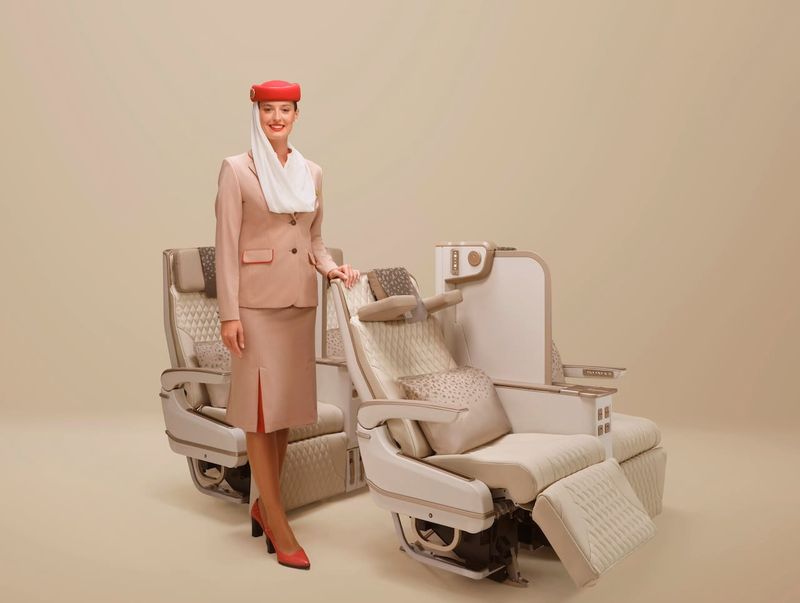
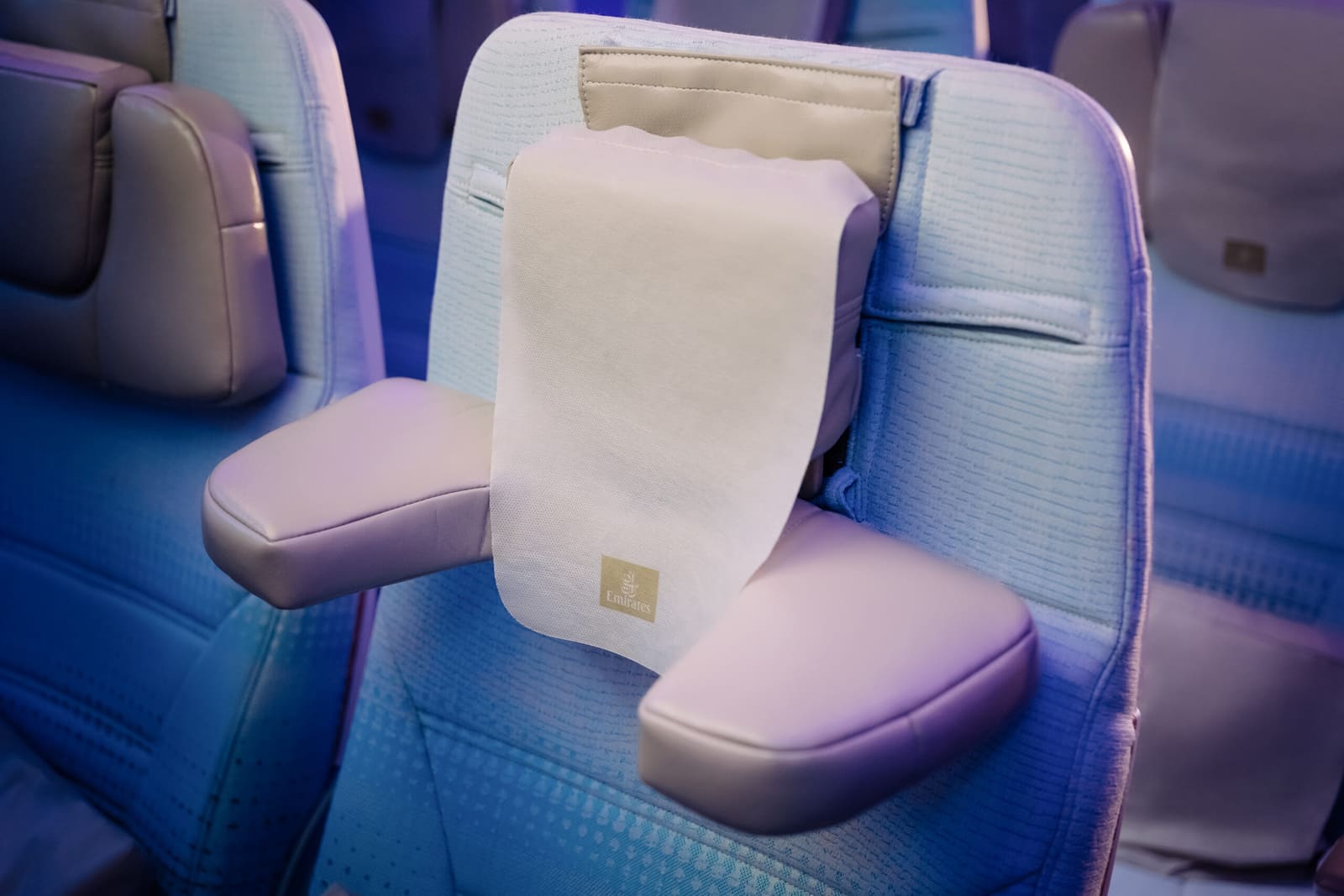
Emirates has begun installing a multi-position headrest in its economy cabins, designed to keep passengers' heads from tilting forward or sideways during sleep. The U-Dream Headrest features padded leather wings that fold inward to support the neck, and can be adjusted vertically and angled to fit different body types.
The carrier announced that the headrest will be standard across all Airbus A350s by the end of 2026, pre-installed on incoming Boeing 777s, and retrofitted to the A380 fleet starting in 2027. The component is part of Emirates' Z400 seat, manufactured by Safran, and has been tested to meet European Union Aviation Safety Agency standards.
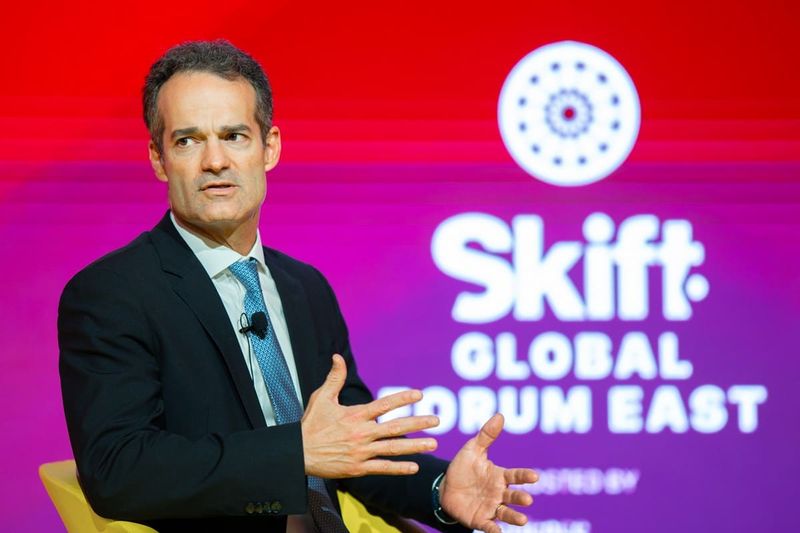
Tim Clark, president of Emirates, said the headrest addresses a persistent discomfort on long flights. The design aims to eliminate the need for inflatable neck pillows, which many travelers find awkward or ineffective.
Why Carriers Are Upgrading Economy
The headrest rollout follows a five-billion-euro fleet upgrade that Emirates completed earlier this year, covering 100 aircraft. That investment included refreshed seating, in-flight entertainment systems, and cabin finishes. The new headrest extends that work into a detail often overlooked: how passengers actually rest.
Other airlines have been testing their own solutions. Some are experimenting with lie-flat economy configurations, while Collins Aerospace has developed the Skynook, a semi-private rear-cabin seat. The common thread is a recognition that economy passengers, especially on routes lasting ten hours or more, want more than a recline button and a thin pillow.
The trend reflects broader demand. Travelers are willing to pay modest premiums for tangible comfort improvements, even in standard cabins. That willingness has prompted airlines to invest in incremental upgrades rather than waiting for full aircraft replacements.
Beyond the Cabin
The focus on premium comfort extends beyond aviation. Uber recently announced plans to acquire Blacklane, a chauffeur platform, describing premium transport as a key growth area. Orient Express has expanded into luxury yachts. Even intercity rail operators are adding private compartments and lounge access to attract higher-spending customers.
For airlines, the calculus is straightforward. Long-haul economy seats generate the bulk of revenue on many routes, yet they've historically received less design attention than business and first class. Incremental improvements like adjustable headrests cost less than reconfiguring entire cabins, but can influence booking decisions when fares are similar.
Emirates has also been upgrading its premium offerings. Clark recently mentioned plans for en-suite bathrooms in first-class suites, and the carrier opened a five-million-dollar lounge in Bangkok early last year. But the headrest signals that the airline sees value in raising the floor for all passengers, not just those at the top.
What It Means for Passengers
The U-Dream Headrest won't transform economy into business class, but it addresses a specific pain point. Passengers who struggle to sleep upright may find the adjustable wings more supportive than standard headrests, which typically offer only vertical movement.
Whether the design proves effective will depend on individual body types and sleep habits. Some travelers prefer window seats where they can lean against the fuselage; others need more structured support. The headrest's flexibility is meant to accommodate both.
For Emirates, the rollout is a bet that small, tangible improvements can differentiate its economy product in a crowded market. As more carriers compete on similar routes with similar fares, details like headrests, meal quality, and seat padding become part of the decision-making process.
The broader question is whether other airlines will follow. If the headrest proves popular with passengers, expect competitors to explore similar designs. If it's seen as a minor tweak, Emirates will have invested in a feature that matters more in press releases than in booking behavior. Either way, the move reflects a shift in how airlines think about economy class: not as a bare-minimum product, but as a space worth refining.