A Recovery Ahead of Schedule
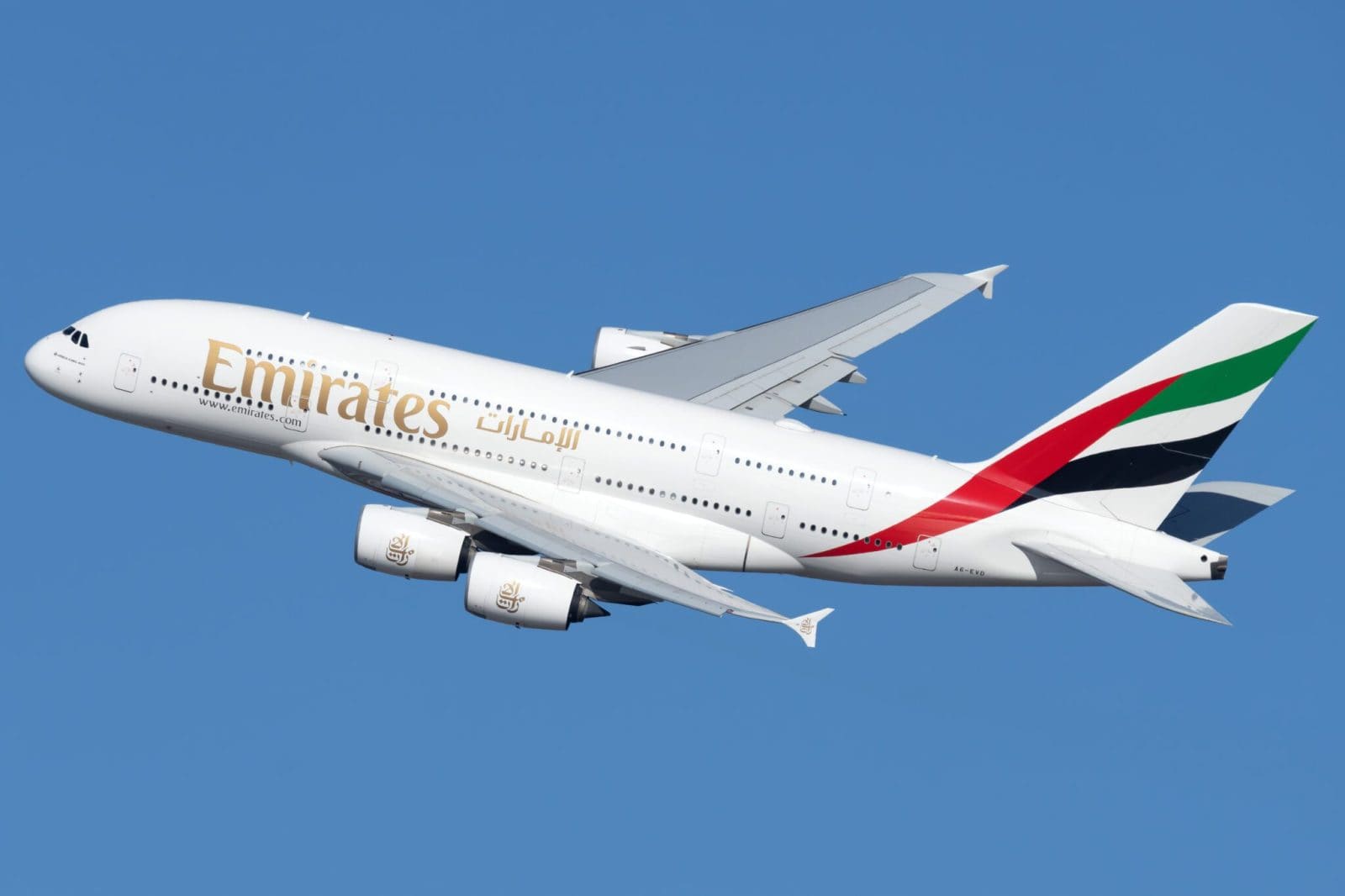
Emirates has reached 92% of its operational capacity, a milestone the carrier achieved faster than its own internal projections suggested. The recovery comes while conflict involving Iran continues to affect regional airspace, presenting a study in how airlines navigate sustained geopolitical disruption.
The Dubai-based airline's rebuild reflects both strategic route adjustments and sustained passenger demand for connections through its Gulf hub. While many carriers scale back during prolonged regional instability, Emirates has demonstrated an ability to maintain growth trajectories even when the security landscape remains uncertain.
Crisis Management Under Pressure
Sir Tim Clark, Emirates' president, has guided the airline through multiple regional crises over his tenure. The current situation tests familiar strategies: rerouting around restricted airspace, adjusting frequencies on affected corridors, and maintaining service levels on core long-haul routes that bypass conflict zones entirely.
The airline's hub geography provides both vulnerability and advantage. Dubai International Airport sits within range of regional tensions, yet its position as a connecting point between Europe, Asia, and Africa means demand for transit services persists even when point-to-point travel softens.
Capacity restoration has involved redeploying aircraft to routes less affected by airspace restrictions. European and Asian markets have absorbed much of the additional lift, while some Middle Eastern destinations operate at reduced frequency compared to pre-conflict schedules.
What 92% Capacity Actually Means
The figure represents available seat kilometers relative to the airline's baseline before the current conflict began. It does not necessarily reflect load factors or revenue performance, which Emirates has not disclosed in recent months.
Reaching 92% capacity while conflict continues suggests the airline has found workable flight paths and sufficient demand to justify the operational complexity. It also indicates that passenger confidence in Gulf carriers has held, at least among the business and leisure segments that form Emirates' core customer base.
Other Gulf carriers have shown similar resilience, though Emirates' scale and brand recognition give it advantages in maintaining bookings during uncertain periods. The airline's extensive network means it can absorb shocks on individual routes without derailing overall operations.
The Unresolved Variable
The conflict itself remains unresolved, and airspace restrictions continue to shift. Airlines operating in the region adjust flight plans on short notice, sometimes rerouting mid-operation based on updated security assessments.
For Emirates, the ability to sustain 92% capacity depends on continued access to alternative routing and stable demand on routes outside the immediate conflict zone. If restrictions expand or demand softens, the current recovery could plateau or reverse.
The airline's experience offers a reminder that operational recovery and geopolitical resolution do not move in lockstep. Carriers can rebuild even when the underlying crisis persists, provided they adapt quickly and maintain passenger trust.
Looking Ahead
Emirates has not provided updated guidance on when it expects to return to 100% capacity, and the timeline will depend partly on factors outside its control. For now, the carrier's performance demonstrates that even sustained regional conflict does not necessarily ground a well-positioned airline.
The recovery also underscores the importance of hub location, fleet flexibility, and brand strength in navigating prolonged uncertainty. Emirates entered the current crisis with all three advantages, and the results show in its capacity numbers.
Whether the airline can maintain this trajectory will depend on how the conflict evolves and whether demand for Gulf connections holds through the remainder of 2026.