The Latest Setback
The European Union's pre-travel authorization program, known as ETIAS, is running into fresh implementation trouble. Officials inside the European Commission have been discussing whether to push back the launch date beyond late 2026, according to three people familiar with the conversations. The system was supposed to bring U.S.-style advance screening to visitors from countries that don't need visas for the Schengen Area.
eu-LISA, the agency handling the rollout, no longer believes the current timetable can be met. Software development remains incomplete, and the agency is watching what happens with a related border system that launched in April and immediately sparked travel chaos across the continent.
What ETIAS Actually Does
Under the plan, travelers from visa-waiver countries will need to apply online before heading to Europe. The application asks for personal information, travel history, and any criminal record. A €20 fee covers processing. Once approved, the authorization lets you stay up to 90 days within any six-month stretch.
It's not a visa. Think of it more like the ESTA system Americans are used to when flying to the United States. But it's one more step in a growing list of digital checks the EU is layering onto its borders.
The Entry/Exit System Problem
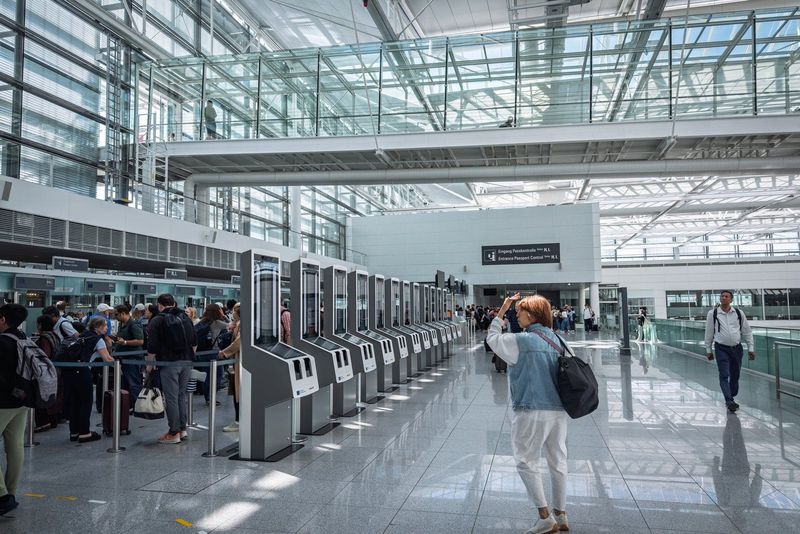
Part of what's slowing ETIAS down is the messy start of the Entry/Exit System, which went live on April 10, 2026. That system collects biometric data from non-EU visitors, including fingerprints and facial scans, and stores the information for up to three years. The goal is to track who's coming and going more accurately.
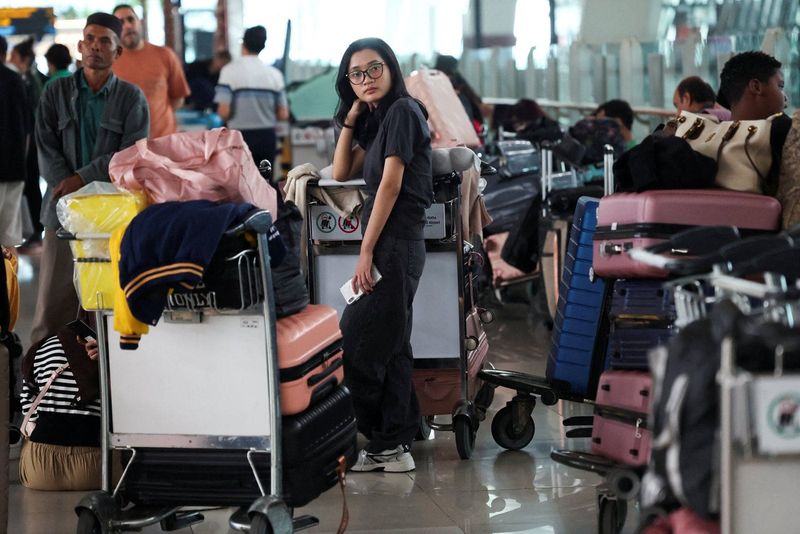
But the rollout has been rocky. Long lines formed at airports and ferry ports across member states. Some countries stopped using the system altogether. Industry groups warned of financial damage piling up. EU officials now estimate it could take two years to sort out the disruption.
ETIAS was designed to build on the Entry/Exit System. With that foundation still shaking, adding another layer of screening feels premature to many inside the bureaucracy.
Timing Uncertainty
Publicly, the European Commission is sticking to its line that ETIAS will start in the fourth quarter of 2026. eu-LISA echoed that message when asked, saying preparations continue in cooperation with member states. But the agency also left the door open, noting that the exact launch date will be proposed by the Commission after consultation.
Discussions about a delay reportedly took place in June, with another review scheduled for September. No new date has been floated yet, but the gap between official statements and internal sentiment is widening.
What This Means for Travelers
If you're planning a trip to Europe in the next few months, you probably won't need to worry about ETIAS just yet. But the uncertainty makes it harder to know what to expect. The system was already delayed multiple times before this year, and each postponement shifts the planning window for airlines, border agencies, and travelers themselves.
For now, visa-waiver visitors can still enter the Schengen Area without pre-authorization. That includes Americans, Canadians, Australians, and citizens of dozens of other countries. But once ETIAS does launch, anyone without the authorization won't be allowed to board a flight or ferry to the EU.
The €20 fee is modest, and the application process is supposed to be quick. Most approvals are expected within minutes, though some cases could take up to a month if additional checks are needed. The real friction point isn't the system itself but the timing and coordination across 27 member states, each with different infrastructure and readiness levels.
Border Technology Growing Pains
The EU isn't alone in struggling with digital border systems. Countries around the world are adding biometric checks, pre-screening tools, and data-sharing networks to manage immigration. The technology promises efficiency and security, but the transition period often brings bottlenecks.
The difference here is scale. The Schengen Area covers more than 400 million people and includes some of the world's busiest travel corridors. When a system falters, the ripple effects spread fast. Summer travel season in 2026 has already been marked by delays at major hubs, and adding ETIAS into that mix without fixing the Entry/Exit System first could compound the problem.
EU officials are trying to balance security goals with the practical reality of moving millions of visitors smoothly. That balance is proving harder to strike than anticipated.
What Happens Next
A decision on the timeline will likely come after the September review. If eu-LISA and the Commission decide the software and coordination aren't ready, expect an official announcement of a new target date. If they push ahead with late 2026, expect another round of questions about whether the infrastructure can handle it.
For travelers, the advice is straightforward: keep an eye on official EU channels and check with your airline before booking trips late this year or into 2027. Once ETIAS does go live, building in time for the application process will be essential, especially during peak travel periods.
The delays are frustrating for everyone involved, but they also reflect a recognition that getting this right matters more than hitting a deadline. Europe's borders handle enormous volumes, and a botched rollout would create problems far beyond a few long lines.