A Moving Target
The European Travel Information and Authorisation System was supposed to arrive six months after the EU successfully rolled out its digital border scheme. That plan now looks unrealistic. Officials have scrubbed the 2026 launch date from the website, and a permit requirement before 2027 seems unlikely.
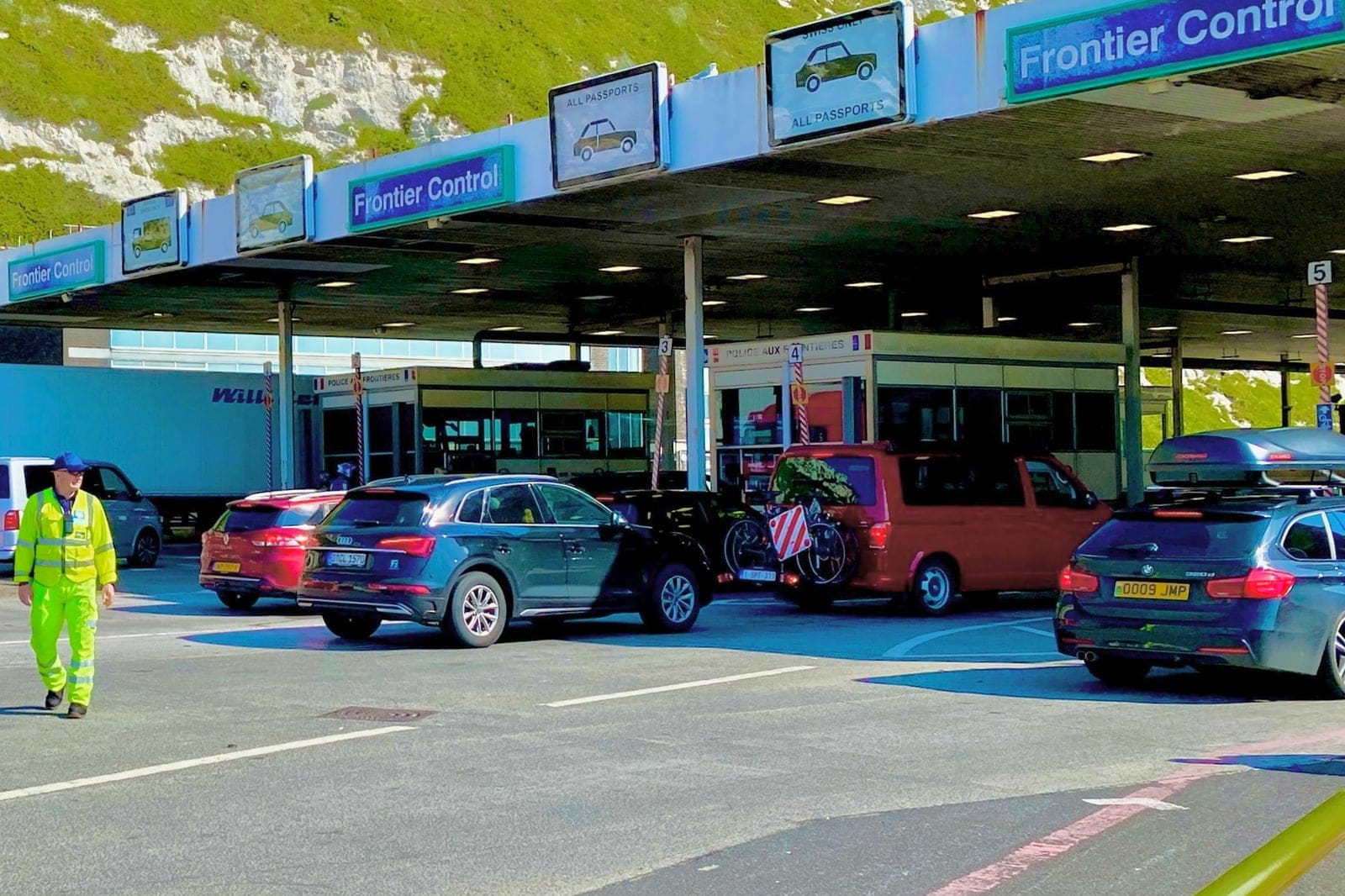
The delay stems from problems with the entry-exit system that underpins Etias. That database, which registers fingerprints and facial biometrics for every UK traveler crossing into the Schengen Area, was meant to be fully operational in April. Instead, border crossings have been marked by long queues, missed flights, and ferry port gridlock during peak travel periods.
Frontex, the European Border and Coast Guard Agency implementing both systems, hasn't offered a revised timeline. The original plan called for Etias to launch in late 2026. Now even that estimate has disappeared.
What British Travelers Will Face
When Etias does arrive, UK passport holders will join around 1.4 billion people from 59 countries who need advance permission to enter the Schengen zone for short stays. The system resembles the US Esta: an online form, a fee, and a digital check against security databases before you board a plane.
The permit costs twenty euros for anyone between 18 and 70. Children and older travelers still need one but pay nothing. Each authorization lasts three years or until your passport hits three months before expiry, whichever comes first.
Applicants will provide standard details like name, address, and passport number, plus the country where they plan to enter and their first night's accommodation. That last requirement sounds rigid, but the EU clarifies you can change plans once approved. The system checks your information against Interpol records and a dedicated watch list covering terrorism, trafficking, fraud, and other serious crimes.
Most applications should clear within minutes, though the EU allows up to four days for routine cases. If your details trigger a database match, you might be asked for more information or an interview with national authorities. That process can stretch to 30 days.
A Soft Start, Then Enforcement
Even after Etias launches, enforcement will be gradual. The EU plans a transitional period of at least six months when travelers should apply but won't be turned away for lacking one, as long as their passport meets existing validity rules.
After that comes a grace period of another six months, applied once per traveler. Show up for your first trip after the transition ends without an Etias, and border guards will let you through. Try it a second time, and you'll be refused entry.
This phased approach suggests the EU anticipates confusion. Airlines will be responsible for checking Etias status before departure, just as they do for Esta. A couple of carriers mishandled the post-Brexit passport rules badly enough that airline industry groups are now being briefed in advance to prevent a repeat.
The Practical Limits
Having an Etias doesn't guarantee entry. Border guards retain full discretion to refuse anyone who doesn't meet all conditions, and the permit can be revoked on the spot. The system is meant to flag potential problems before travelers reach the border, not replace the final decision made by an officer.
British passports must be less than 10 years old on the day of entry and valid for at least three months beyond your intended departure. The 90-in-180 rule still applies: you can't stay more than 90 days in any rolling six-month period. Spend January through March in Spain, and you're locked out until late June.
The requirement doesn't apply to Ireland, which sits outside the Schengen Area and maintains the Common Travel Area with the UK. Long-stay visa holders and those with work or study permits are also exempt.
Scammers Already Circling
Websites claiming to process Etias applications have appeared even though the system doesn't exist yet. One site says it has handled more than 600 applications, which is impossible. Another offers early-bird discounts. Some use the EU logo illegally.
Frontex warns that unofficial sites pose identity theft risks on top of inflated fees. The only legitimate portal, when Etias does launch, will be through the EU's official domain. Commercial intermediaries will be allowed eventually, but right now any site taking money for an Etias is running a scam.
Why the Wait Matters
The UK didn't have to subject its travelers to this system. Work on tightening the EU's external borders began before the Brexit referendum, and British officials participated in early planning. But once the UK voted to leave, it negotiated to be treated as a third country for immigration purposes, triggering the same requirements that apply to Americans, Australians, and dozens of other nationalities.
The delays are frustrating for travelers trying to plan ahead, but they also reflect the scale of what the EU is attempting. Registering biometrics for millions of people crossing dozens of land, sea, and air borders is a massive technical challenge. The entry-exit system was supposed to be the foundation. Until it works reliably, adding another layer on top risks compounding the problems.
For now, British travelers can cross into Europe with just a valid passport. That simplicity won't last forever, but it will persist at least into next year while officials work through the issues that have already caused disruption at some of the continent's busiest crossings.