A Continent Under Pressure
This summer is shaping up to be the most destructive fire season Europe has ever recorded, according to the EU's Emergency Response Coordination Centre. The combination of sustained heat and drought has turned large swaths of the continent into tinderboxes, with fires now burning from the Greek islands to the forests of southwestern France.
The human cost has been severe. Firefighters have died battling the blazes. Hundreds of thousands of people have fled their homes. Hotels have emptied mid-season. For travelers already in Europe or planning trips in the coming weeks, the situation presents real logistical challenges and safety concerns.
Where the Fires Are Burning
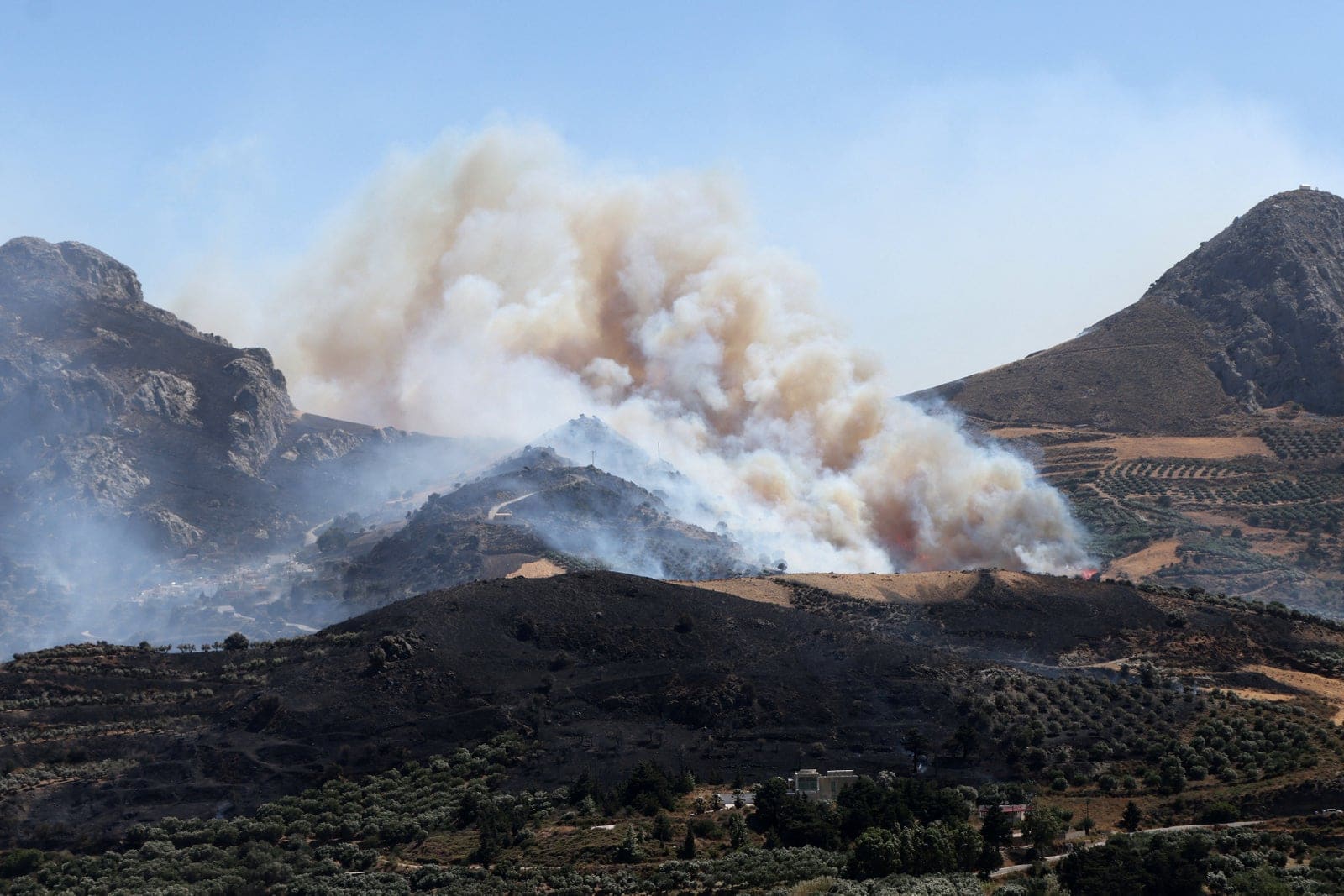
Greece has seen some of the most dramatic evacuations. On Crete, thousands left their homes and hotels earlier this week as winds pushed fires out of control near Rethymno. Towns including Kyra Vrysi and the resort village of Agia Galini were cleared. By late July, authorities said the fires were under control, though hotspots remained active and the blaze was not fully contained.
Villages on the island of Paros were also evacuated. The Greek Civil Protection Agency has issued very high fire risk warnings for multiple regions, including Attica, the Peloponnese, Crete, and the Aegean islands. Heatwave warnings are expected to lift by early August, but fire danger remains elevated across much of the country.
In France, the Gironde department has become the epicenter of what officials are calling an "XXL blaze." More than 42,000 hectares have burned. Sophie Brocas, the regional prefect, urged tourists not to visit the area until the situation stabilizes. She also encouraged those already there to consider leaving.
Around 4,000 visitors were told to evacuate, along with roughly 220,000 residents across France. Beach towns popular with summer holidaymakers, including Lacanau, Cap Ferret, Le Porge, and Saumos, have been hit hard. Homes and forests have been destroyed. Campsites and tourist lodgings were cleared as a precaution.
Bordeaux airport remains open, and the hotel zone that was evacuated is gradually reopening. But temperatures across a wide band of the country, from Franche-Comté to Corsica, are forecast to reach between 35 and 39 degrees Celsius, with thunderstorms adding to the volatility.
Spain declared a national emergency after fires tore through areas near Madrid and Ávila. Isabel Díaz Ayuso, president of the Madrid region, called it the worst fire in the region's history. The emergency was later downgraded, and evacuated residents have started returning. Still, Madrid, which draws more than 10 million tourists annually, was directly affected.
Evacuations also took place in the Zamora and León areas, as well as along the border with Portugal. A heatwave that began in late July is expected to last into August, with temperatures topping 41 degrees in some areas. Fire danger remains high.
Portugal has seen smaller-scale evacuations near Valpaços, not a major tourist destination. About 800 people left their homes, and the A25 motorway was closed. High temperature warnings are in effect for parts of Madeira and the Faro district in the south.
Italy is bracing for very extreme fire conditions in the north, according to EU forecasts. Fires spread last week in Sicily, Calabria, and Puglia. Red alerts for high temperatures have been issued for 19 cities, including Venice, Rome, Milan, Florence, Turin, and Naples.
Even the UK is not immune. Wildfires in Suffolk have spread across an area equivalent to more than 200 football pitches. Fires in the Cairngorms National Park have destroyed 10 square miles of moorland and forest, and blazes in Greater Manchester and Derbyshire have been burning for two weeks. Turkey's Antalya and Mugla provinces, both popular with tourists, are also dealing with active fires.
What It Means for Travelers
The disruption comes at the height of summer, when travel to southern Europe peaks. The advice varies by location, but the pattern is consistent: check official warnings before you go, stay flexible, and be prepared to change plans.
France's situation in Gironde is the most acute. Authorities there have been unusually direct in asking tourists to stay away or leave. That is not a common move, and it reflects the scale of the problem. In Greece, fire risk warnings are updated frequently, and conditions can shift quickly depending on wind and temperature.
For cities under red alert in Italy, the risk is less about fire spreading into urban centers and more about heat stress and air quality. Rome, Florence, and Venice are used to summer heat, but prolonged exposure above 40 degrees can strain infrastructure and pose health risks, especially for older travelers or those with respiratory conditions.
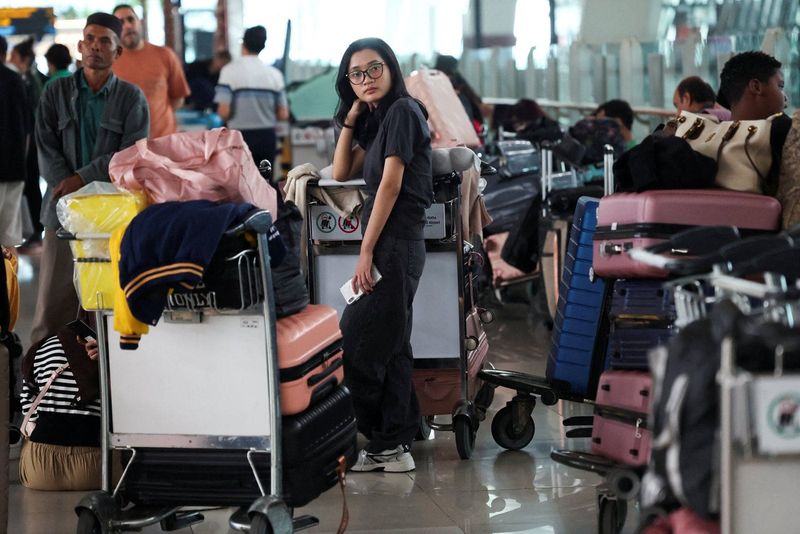
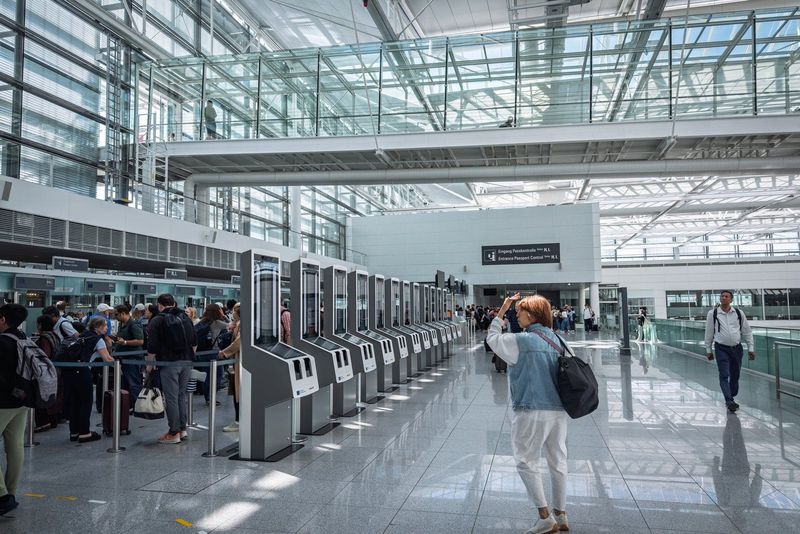
Airports in affected regions are mostly operating normally, though road closures and evacuations can complicate ground transport. Bordeaux is a case in point: flights continue, but access to some areas around the city has been restricted or cut off entirely.
Travel insurance policies vary in how they handle natural disasters. Some will cover cancellations or changes if an official evacuation order is issued or if the UK Foreign Office updates its travel advice to recommend against travel. But coverage is not automatic, and policies that were purchased after fires were already reported in the news may not apply.
The broader question is whether this summer is an outlier or a preview. Europe has experienced record heat in recent years, and fire seasons have lengthened. Infrastructure built for a different climate is struggling to keep up. For travelers, that means building more contingency into plans and accepting that peak summer in southern Europe now carries risks that were once rare.
Looking Ahead
Temperatures are expected to ease slightly in some areas by early August, but the underlying conditions, drought and dry vegetation, will take much longer to resolve. Fire danger will remain elevated across much of southern Europe well into the autumn.
For those with trips planned in the coming weeks, the most practical step is to monitor local authorities and foreign office updates. Conditions can change within hours, and official guidance is updated accordingly. Flexibility is valuable. So is a backup plan.