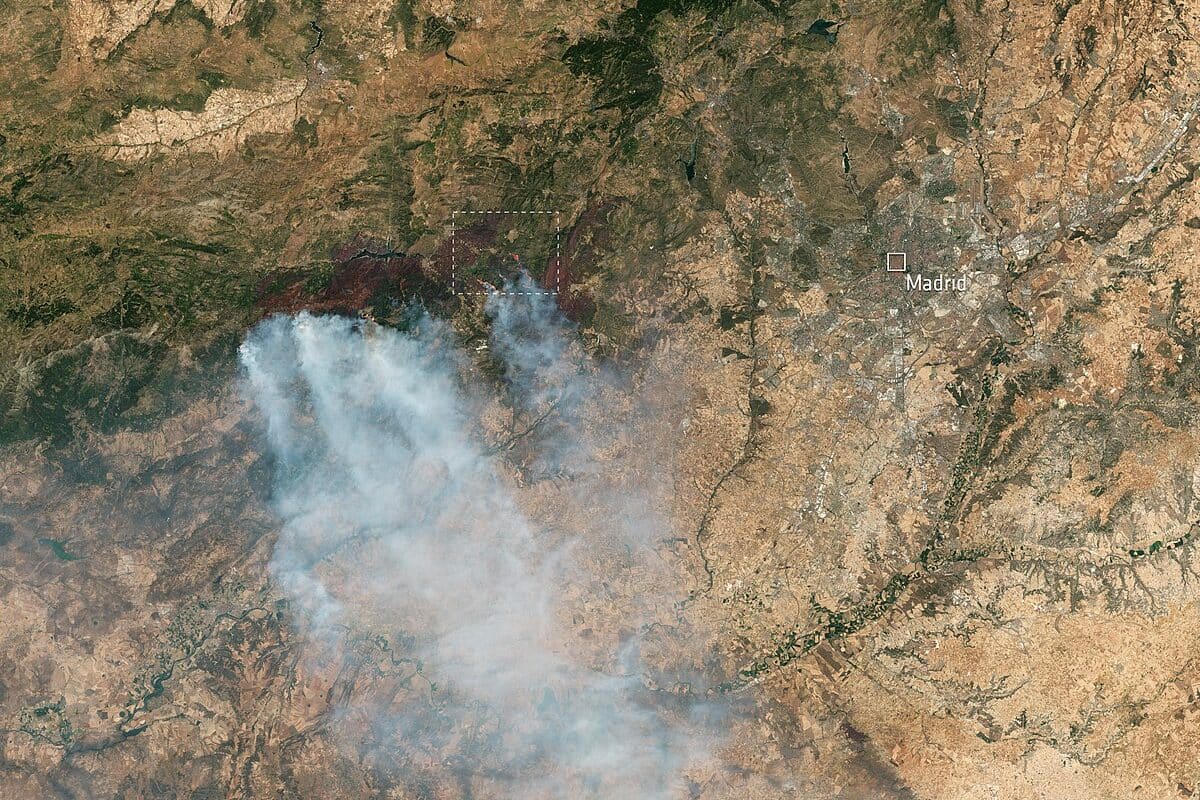
Fires Near Major Tourist Areas
Another heat wave swept across Europe this week, bringing fires that have forced thousands to evacuate from areas near Bordeaux and Madrid. The blazes have concentrated in France and Spain so far, but the European Union's Emergency Response Coordination Center is tracking conditions that could push the risk eastward and northward in the days ahead.
Three firefighters died battling fires that broke out in Greece on Wednesday. According to Maria Zuber, head of the center, Italy will face heightened risk at the beginning of August. The concern now is how quickly conditions might deteriorate across multiple regions at once.
"The next risk, it's already moving to Greece and also Central Europe," Zuber said, according to Reuters. She added that if the Iberian Peninsula remains under threat while new fires ignite elsewhere, "we will have all Europe on fire."
What It Means for Travelers
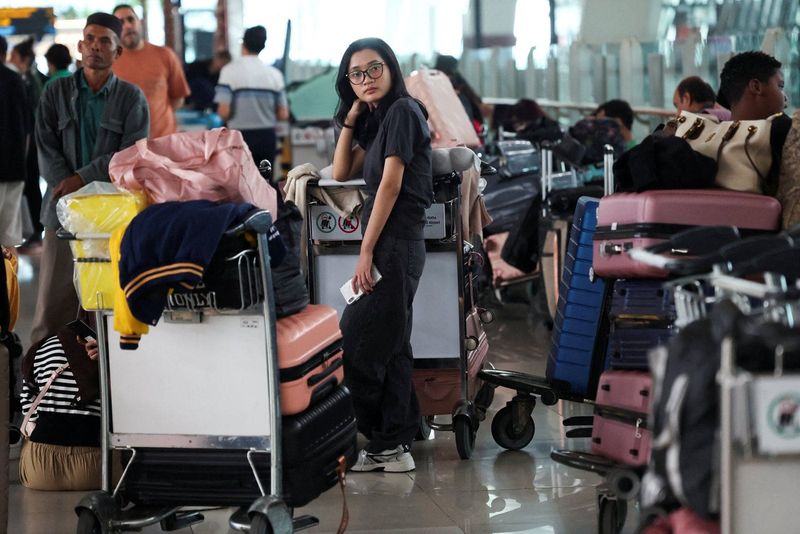
Hundreds of thousands have been evacuated since the fires broke out near popular destinations. The timing coincides with peak summer travel season, when visitors from around the world typically fill hotels, restaurants, and tour buses across southern and western Europe.
Airlines and tour operators are now fielding questions about refunds, fee waivers, and itinerary changes. Travelers booked for destinations in southern France, eastern Spain, and parts of Greece over the next few weeks face the highest cancellation and rebooking risk, though conditions remain fluid.
The broader question is whether this season will prompt travelers to reconsider summer trips to southern Europe altogether. Fire seasons have grown longer and more intense in recent years, and the overlap with peak tourism months is becoming harder to ignore.
A Pattern That Repeats
Europe has seen recurring fire seasons in recent summers, but the scale and speed of this year's events stand out. The evacuations near Bordeaux and Madrid affect areas that draw millions of visitors annually, and the prospect of simultaneous fires across the continent raises operational challenges for both local authorities and travel businesses.
Greece, which relies heavily on tourism revenue, has already mobilized resources to protect popular islands and coastal areas. Italy is preparing for elevated risk in early August, a period when domestic and international visitors typically crowd beaches and historic cities.
Central Europe, which has historically faced lower fire risk than Mediterranean countries, is now on alert as well. The shift reflects changing climate patterns that are redrawing the map of fire-prone zones.
What Travel Businesses Can Do
The immediate priority for airlines, hotels, and tour operators is clear communication with customers. Travelers need timely information about affected areas, alternative options, and flexible rebooking policies. Companies that move quickly to offer waivers and refunds are more likely to retain customer trust, even when circumstances are beyond their control.
Longer term, the industry will need to build climate resilience into planning. That includes contingency plans for fire seasons, partnerships with local emergency services, and transparent messaging about environmental risks. It also means rethinking the concentration of travel infrastructure in areas that are becoming increasingly vulnerable.
For travelers, the calculus is changing. A trip to southern Europe in July or August now carries a level of uncertainty that was less pronounced a decade ago. Some may shift travel dates to shoulder seasons, while others may seek destinations with lower fire risk. Either way, the pattern is becoming harder to dismiss as a one-off event.
Looking Ahead
The European Union's emergency center is monitoring conditions across the continent, but much depends on weather patterns in the coming weeks. If temperatures remain high and rainfall stays low, the risk will persist. If conditions ease, the immediate threat may subside, but the underlying trend will remain.
Travel to Europe is unlikely to collapse because of fire risk, but the industry is entering a period where climate-related disruptions are no longer rare exceptions. Businesses that adapt quickly, and travelers who plan with flexibility, will navigate this season more smoothly than those caught off guard.