Europe's Aviation Hubs Show Staying Power
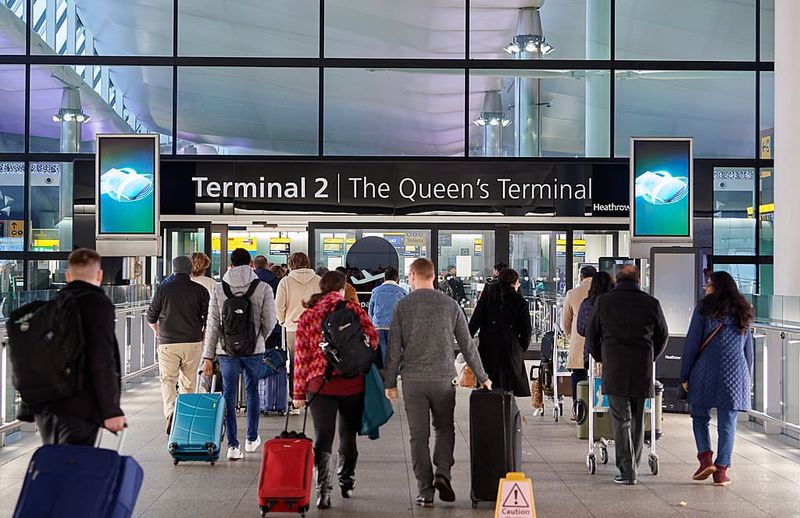
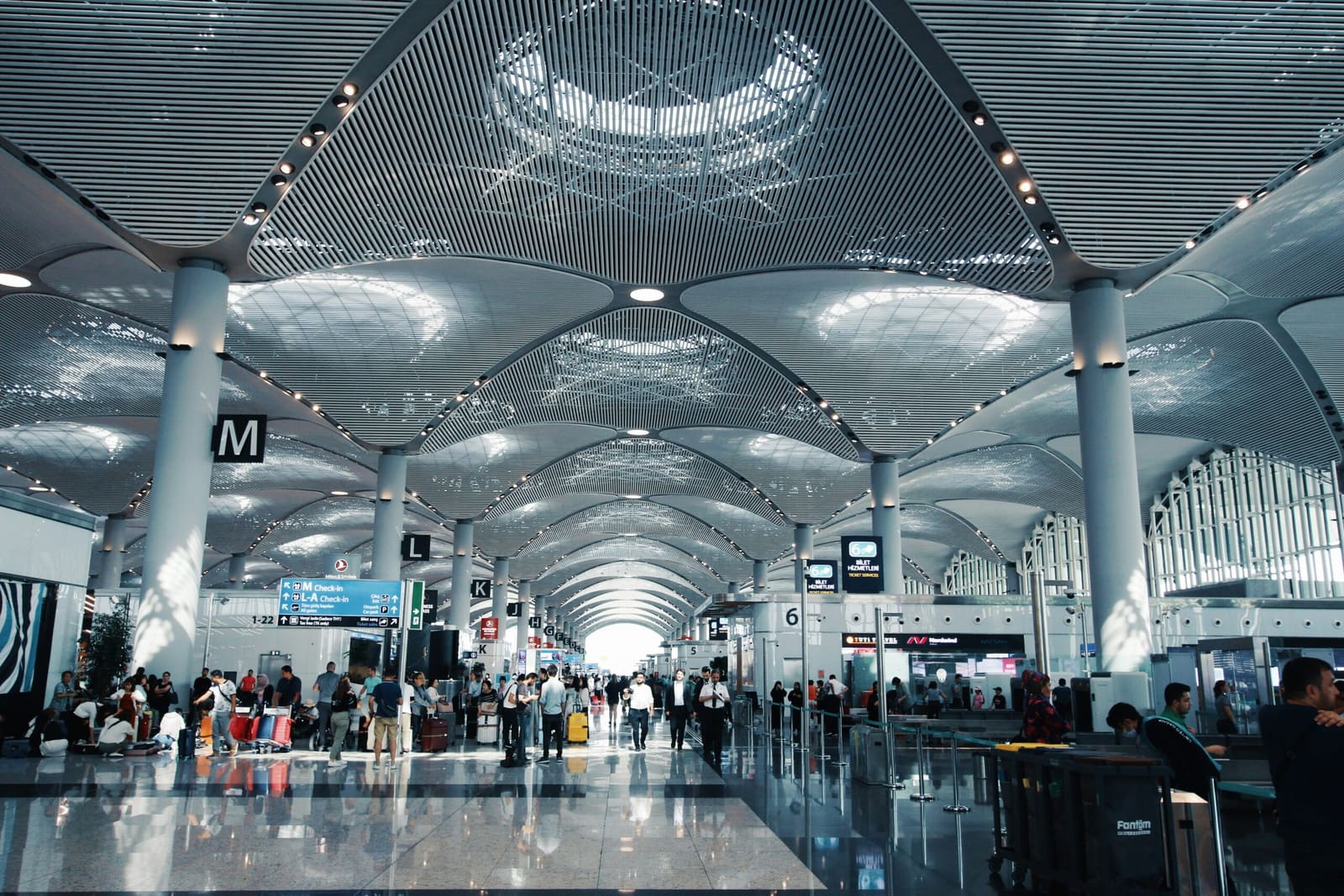
European airports kept a significant presence in the global aviation rankings last year, with five hubs landing in the top twenty busiest worldwide. London Heathrow came in seventh with 84.5 million passengers, followed closely by Istanbul in eighth place at 84.4 million. Paris Charles de Gaulle took fourteenth spot with 72 million, Amsterdam Schiphol ranked seventeenth with 68.8 million, and Madrid-Barajas rounded out the European contingent at eighteenth with 68.1 million passengers.
The figures come from Airports Council International World's annual dataset, which tracks passenger movements across more than 2,800 airports in over 185 countries. Global passenger traffic reached 9.8 billion in 2025, according to ACI World, a 3.7% increase over 2024 and 6.5% above 2019 levels. The industry is now within reach of ten billion passengers, a threshold that brings both opportunity and strain.
Together, the top twenty airports handled 1.59 billion passengers, or roughly sixteen percent of all air travelers worldwide. That concentration underscores the outsized role these hubs play in connecting continents and funneling tourists, business travelers, and cargo across borders.
Different Recovery Speeds Across the Continent
Not all European airports bounced back at the same pace. Heathrow's passenger count grew 0.7% year on year and stood 4.4% above its 2019 total. Istanbul showed the strongest expansion, with traffic 61.8% higher than pre-pandemic levels. The Turkish hub has climbed sharply in the rankings, moving from twenty-eighth place in 2019 to eighth in 2025.
Madrid also outperformed its pre-pandemic baseline, with passenger numbers 10.4% above 2019. Paris Charles de Gaulle and Amsterdam Schiphol, by contrast, remained below their 2019 totals despite year-on-year gains. Those gaps reflect a mix of factors, including slot constraints, infrastructure bottlenecks, and shifts in airline network planning.
European hubs depend heavily on international traffic and transfer passengers. That makes them sensitive to visa policies, border processing times, and airline route decisions. Unlike the large domestic markets that support many North American and Asian airports, Europe's top hubs must continuously compete for long-haul connectivity.
Asia-Pacific Hubs Climb the Ladder
While Europe held steady, the most dramatic ranking changes happened in Asia-Pacific. Kuala Lumpur International Airport jumped six places to twentieth, handling 63.4 million passengers, an eleven percent increase year on year. Shanghai Pudong climbed from tenth to fifth with 85 million passengers, and Guangzhou Baiyun returned to ninth globally after dropping as low as fifty-seventh in 2022.
Those gains matter for European tourism and aviation businesses. Stronger outbound demand from China and Southeast Asia translates into more competition for long-haul routes and tourist spending. Visa policy easing and expanded international links helped fuel Shanghai Pudong's recovery, while improved connectivity with China and other strategic markets supported Kuala Lumpur's growth.
For European destinations and airlines, the data signals intensifying competition. Asian hubs are not just recovering but repositioning themselves as major transfer points between continents. That shift could pull traffic away from traditional European gateways, especially if pricing or convenience tips in favor of routes through Asia-Pacific.
Atlanta Still Leads, But the Gap Is Narrowing
Hartsfield-Jackson Atlanta International Airport remained the world's busiest, handling 106.3 million passengers, though its traffic dipped 1.6% from 2024. Dubai International ranked second with 95.2 million passengers, up 3.1%, and Tokyo Haneda took third with 91.7 million, up 6.7%.
The United States placed five airports in the top twenty, driven largely by domestic travel. That domestic base provides a cushion against international headwinds, something European hubs lack. Dubai's position at number two, however, may face pressure in next year's ranking due to ongoing disruption and lower demand linked to geopolitical conflict in the Middle East.
European airports, meanwhile, must navigate a different set of challenges. Slot allocation, ground infrastructure limits, and environmental regulations all shape how quickly they can grow. Capacity planning becomes more urgent as passenger numbers recover and shift, especially when competing hubs in other regions can expand more freely.
What the Numbers Mean for Travelers
For people planning trips, these rankings offer a snapshot of where the crowds are and which hubs are gaining momentum. European airports remain major gateways, especially for travelers crossing between North America, the Middle East, Africa, and Asia. But the rise of Asian hubs means more routing options and, in some cases, more competitive fares.
The concentration of passengers at a small number of airports also raises questions about congestion and service quality. Sixteen percent of all global travelers passed through just twenty airports last year. That level of concentration can lead to delays, longer security lines, and pressure on facilities during peak periods.
Justin Erbacci, director general of ACI World, noted that record demand is exposing growing pressures on capacity. The planning and investment decisions made now, he said, will determine whether aviation can meet the demands of the next generation of travelers.
For now, Europe's five top-twenty hubs continue to serve as vital connectors in the global travel network. Whether they can maintain that role amid rising competition and infrastructure constraints will depend on how quickly they can adapt to shifting demand and where governments and airport operators choose to invest.