A Rare Celestial Window
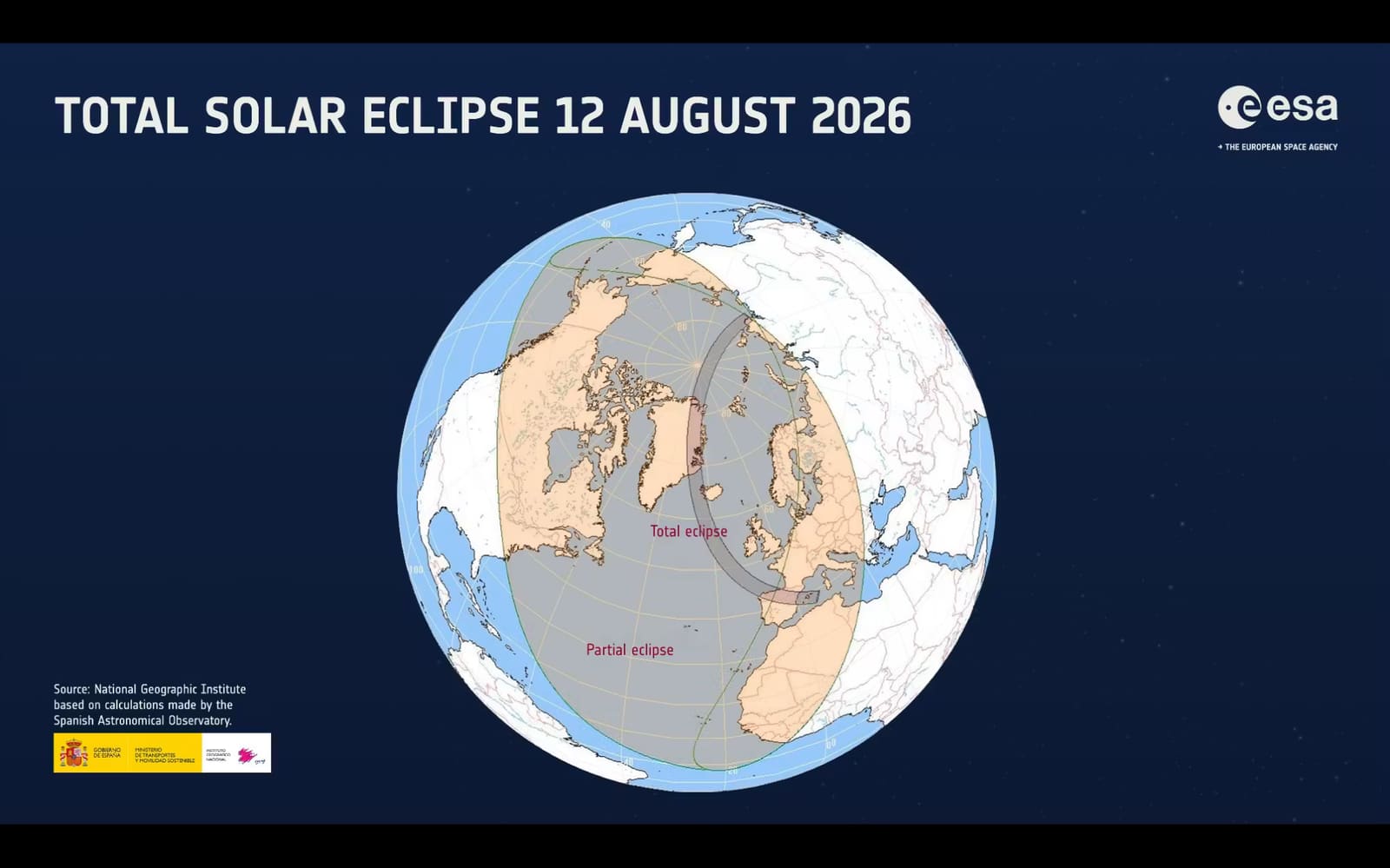
On 12 August, a total solar eclipse will sweep across the Northern Atlantic, offering Europeans their first view of totality in 27 years. For many younger stargazers across the continent, it will be a first encounter with the phenomenon. The event's narrow visibility corridor is creating concentrated travel demand in two distinct markets: Iceland and northern Spain.
The eclipse follows a familiar pattern. When totality crossed North America in 2024, short-term rentals along the path hit 88% occupancy, with average daily rates climbing 18.4%, according to AirDNA. That benchmark is shaping expectations for what might unfold in Europe this week.
Iceland's Tight Supply
Iceland has not seen a total eclipse for 54 years, a gap long enough to fuel both domestic curiosity and international interest. The western and southern regions, where the eclipse will be most visible, hold roughly 60% of the country's 8,300 short-term rental listings. That limited inventory is now facing a surge in demand.
AirDNA notes that Iceland's small rental market means a concentrated influx of visitors can swing national performance metrics significantly. In practical terms, room rates are expected to climb steeply. A four-day eclipse festival in the country is already over 90% sold out, leaving little flexibility for latecomers.
The combination of scarcity and once-in-a-lifetime timing is tightening availability across Iceland's hospitality sector. For travelers who have not yet secured accommodation, options are dwindling fast.
Spain's Broader Canvas
Northern and eastern Spain present a different picture. The eclipse will be visible from a mix of rural areas and cities, including Bilbao, Valencia, and Palma de Mallorca. Barcelona and Madrid, however, fall outside the path of totality.
About 22.6% of Spain's 382,400 short-term rental listings lie within the eclipse corridor. That still translates to 86,300 properties, more than sixteen times the size of Iceland's entire rental market, according to AirDNA. The sheer volume of available accommodation means demand, while strong, is spread across a much larger base.
Occupancy is expected to rise, but pricing increases are likely to be more moderate than in Iceland. The market has enough elasticity to absorb the spike without the dramatic rate surges seen in smaller markets.
Weighing the Options
For travelers still finalizing plans, Spain offers practical advantages. Flight connectivity is stronger, seat capacity is higher, and the likelihood of finding available accommodation remains better. Pricing, while subject to dynamic adjustments, is expected to stay more accessible than in Iceland.
That said, waiting too long carries risk. Many hospitality operators use dynamic pricing models that respond to real-time demand, and rates can shift quickly as the event approaches. Specific experiences, such as organized viewing events or guided tours, are filling up rapidly.
The eclipse is location-specific and time-specific, a combination that compresses demand into a narrow window. For those still on the fence, the calculus is straightforward: Spain provides more breathing room, but neither market will offer endless flexibility as 12 August draws closer.
The Broader Pattern
The eclipse is part of a broader trend in event-driven travel, where celestial occurrences, sporting championships, and cultural festivals create sharp, predictable demand spikes. These events test the responsiveness of local accommodation markets and highlight the differences between small, supply-constrained destinations and larger, more diversified ones.
For Europe, the 2026 eclipse represents a rare convergence of timing, visibility, and regional interest. It is also a reminder that some travel opportunities are defined less by seasons or trends and more by the calendar itself. The next total solar eclipse visible from Europe will not come for decades, making this week's event a singular moment for a generation of travelers.