Rivers Running Low
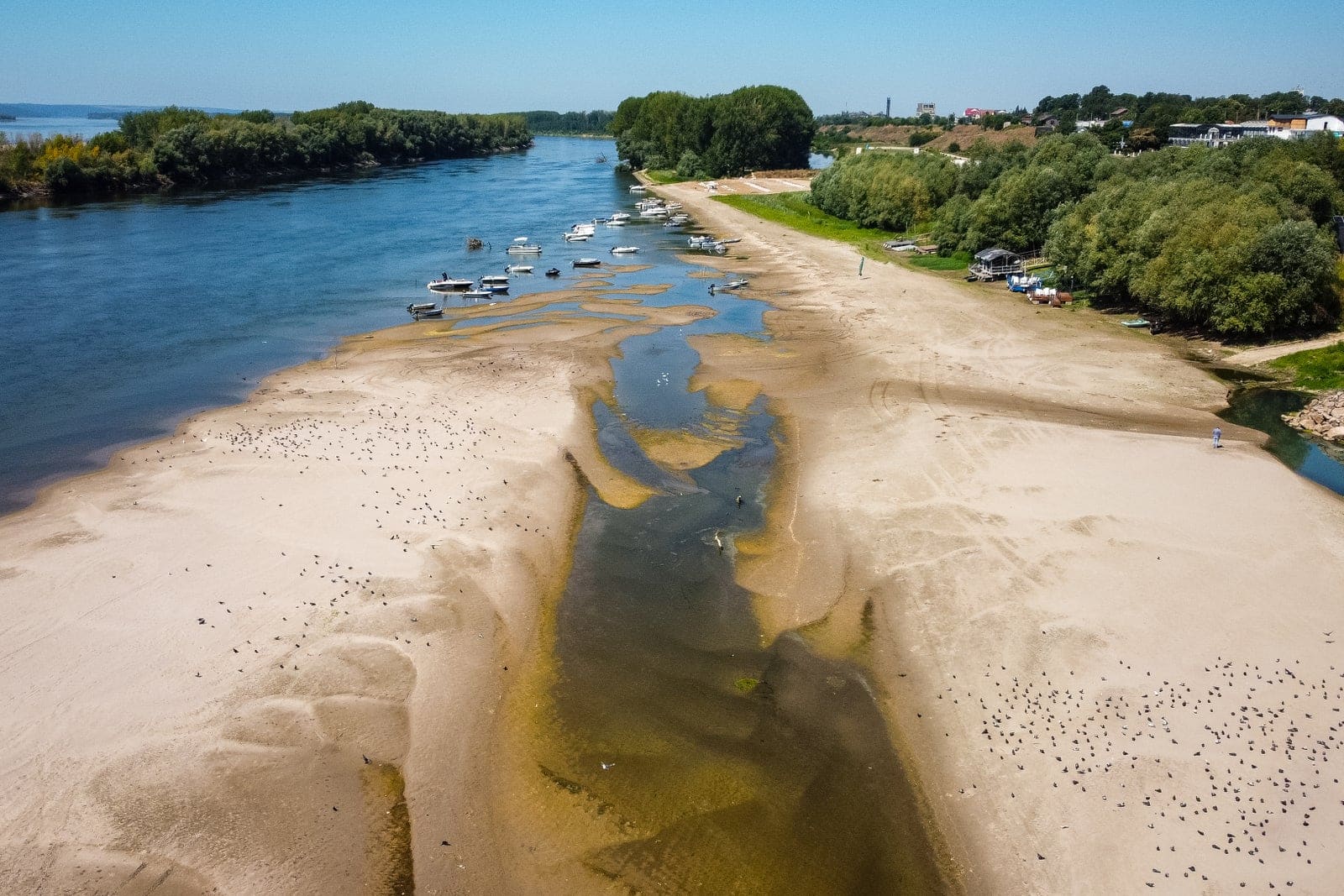
The Danube around Budapest has been hovering near its lowest levels this month, while stretches in Romania hit depths not seen since 1996. The Rhine near Frankfurt measured just 53 centimeters last week. For river cruise operators that depend on stable waterways, the numbers mean trouble: ships cannot dock where they used to, and entire city stops have to be dropped or reached by bus.
Uniworld, Viking, TravelMarvel, and other lines have spent the summer juggling embarkation points and rewriting itineraries. Some passengers finish their trips in different cities than planned. Others spend hours on coaches instead of sailing through scenery they booked months ago.
Missed Stops and Extra Bus Rides
One Uniworld sailing from Vienna to Nuremberg earlier this month ran into the shallows near Vilshofen and could not push farther upstream. The ship skipped Deggendorf, Regensburg, and Nuremberg entirely. Passengers who had flights out of Nuremberg left the vessel a day early, stayed overnight in a hotel, and received airport transfers the next morning.
The line added a stop in Linz and organized bus excursions to the Bavarian Forest and Regensburg from Vilshofen. Anyone whose tour stretched into a full day received thirty euros toward lunch, replacing the meal they would normally have eaten on board.
One passenger on that sailing noted that a single bus trip is manageable, but back-to-back coach days feel less like cruising. The ship offered no alternative activities on board to fill the time. Still, most travelers accepted the changes as reasonable given the circumstances. An earlier sailing from Belgrade to Vienna required even more bus time, and dissatisfaction ran higher.
Budapest, a major embarkation hub for Danube cruises, has become a particular choke point. Some guests have been told to board at a nearby port with deeper water, then take a coach into the city for sightseeing. The experience of sailing into Budapest and mooring in the heart of the capital is central to the itinerary, and losing that arrival diminishes the trip.
Ship Swaps and Strategic Positioning
When a stretch of river becomes impassable, some operators move passengers from one vessel to another stationed on the opposite side of the obstruction. Viking and Riviera Travel position identical sister ships traveling in opposite directions on the same route, so guests can transfer to the same stateroom number on a twin vessel and continue their journey.
In June, passengers on a Viking Rhine sailing from Amsterdam to Basel spent a full day docked in Koblenz, then rode a bus for five hours to Strasbourg to board a second ship. The swap preserved most of the original itinerary, though it replaced a day of river scenery with highway views.
Riviera Travel has sent head office staff to join sailings where water levels are shifting daily, providing extra support to onboard teams and keeping passengers informed. The line says cancellations remain a last resort.
What It Means for Travelers
Low water is not a new problem on European rivers, but the frequency and severity have increased. High water in spring and low water in summer are both realistic now, regardless of cruise line. The question is how well an operator can adapt without turning the trip into a string of bus tours.
Choosing an experienced brand matters more in volatile conditions. Companies with long histories on these waterways have protocols for ship swaps, alternative excursions, and rapid communication. Smaller or newer operators may lack the fleet flexibility to shuffle vessels or the local partnerships to arrange last-minute coaches and hotels.
Travel agents recommend setting expectations early. River cruising has always been subject to navigational conditions, but hotter summers are making adaptability a core part of the product. Passengers who can roll with itinerary changes tend to fare better than those expecting every detail to match the brochure.
Rights and Refunds
If a cruise is canceled outright, lines typically offer a refund or credit toward a future booking. But changes made during the sailing often fall under the booking terms, meaning passengers cannot claim compensation for missed stops or substituted excursions.
Travel insurance with cruise-specific coverage can help. Policies may reimburse prepaid activities that become inaccessible or cover costs if a delay causes you to miss a flight. Some cruise insurance plans include provisions for insufficient water levels, a detail worth checking before departure.
Standard travel insurance rarely covers itinerary changes once you are underway, so reading the fine print matters. The difference between a general policy and a cruise-focused plan can be the difference between eating the cost of a missed tour and getting reimbursed.
August and Beyond
Temperatures are expected to stay high through August, and water levels are unlikely to recover quickly. Passengers with bookings in the coming weeks should stay in close contact with their cruise line or travel agent and be prepared for updates that arrive with little notice.
The river cruise industry has navigated fluctuating water for decades, but the margin for error is shrinking. What used to be an occasional inconvenience is becoming a regular feature of the summer season, and operators are adjusting their operations accordingly. For travelers, flexibility is no longer optional. It is part of the ticket price.