A New Northern Route
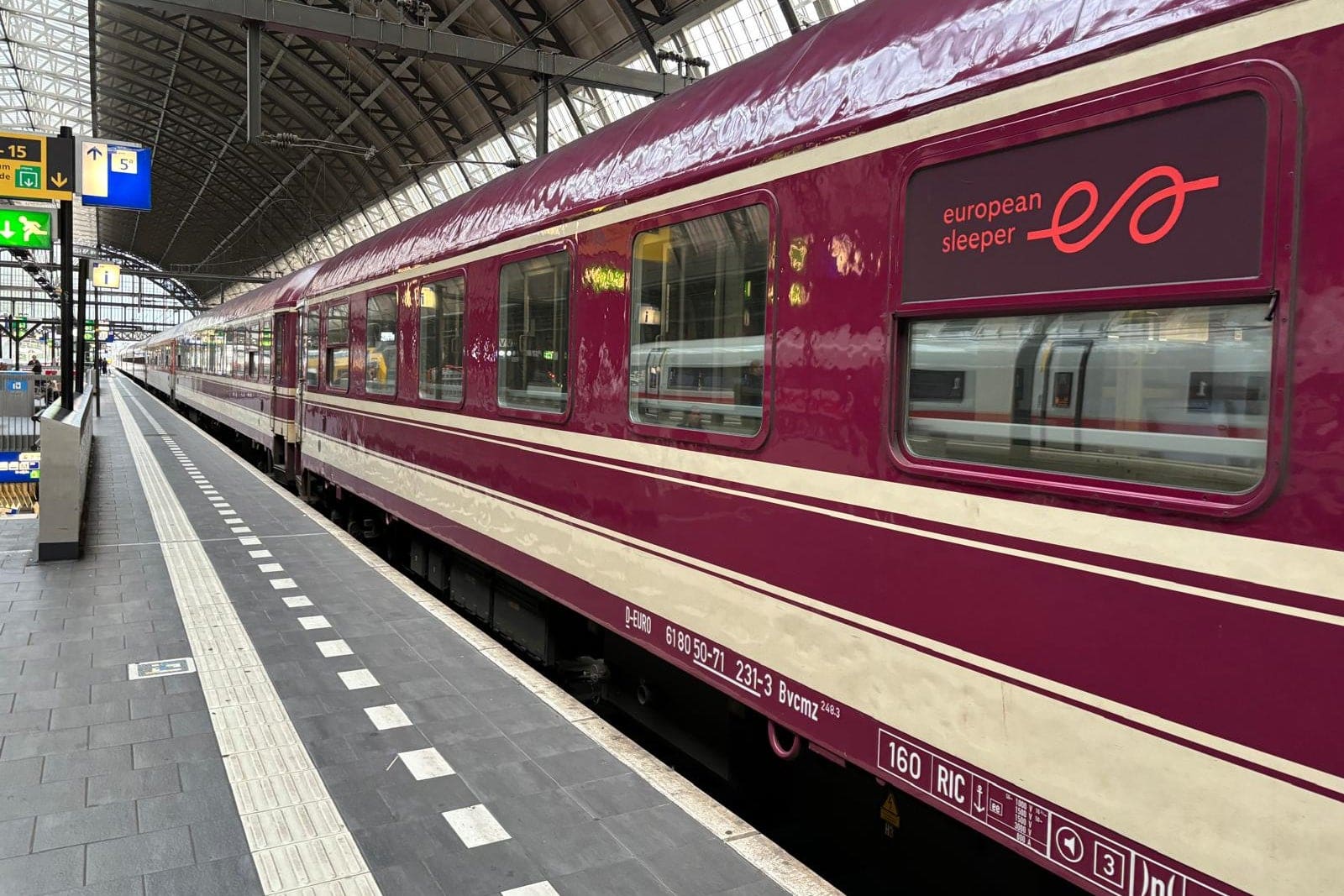
European Sleeper will launch a new overnight service connecting Brussels, Amsterdam, Copenhagen, and Malmö in spring 2028, according to the company. The route marks the Dutch-Belgian operator's first push into Scandinavia and extends its network into a region where night trains had largely disappeared over the past two decades.
The service will operate in partnership with German railway operator RDC, which already supplies rolling stock for European Sleeper's Paris and Milan routes. Trains are expected to depart Brussels and Malmö around 7pm, arriving at the opposite end by 10am the next morning. That schedule would put passengers in Copenhagen by mid-morning, roughly fifteen hours after boarding in Belgium.
European Sleeper has not yet announced which days of the week the service will run, nor has it released pricing. For context, the company's existing Paris-Berlin route starts at approximately 68 British pounds per person in a shared compartment with basic sleeping berths.
Expanding Beyond the Core Network
The new route joins a growing portfolio. European Sleeper currently operates two main lines: Brussels to Prague and Paris to Berlin. A third service, a seventeen-and-a-half-hour journey from Brussels to Milan, is scheduled to begin in September. The Milan route will pass through Switzerland and connect the Benelux countries to northern Italy.
The company has also announced plans for a Brussels-Barcelona overnight connection, also slated for 2028. Together, these routes form a web that links the Low Countries to central Europe, Scandinavia, the Alps, and the Mediterranean.
Co-founder Chris Engelsman described Scandinavia as a logical step in the network's evolution. He noted that the partnership with RDC has been central to the company's ability to scale quickly, particularly in securing the specialized rolling stock needed for overnight operations.
What to Expect Onboard
European Sleeper plans to offer its standard range of accommodation: reclining seats, couchettes with fold-down bunks, and private sleeper compartments. The company is also considering deluxe options for the Copenhagen route, which could include double beds and en-suite bathrooms.
That would bring the service closer to the level of comfort found on longer-distance night trains in central Europe, though it remains to be seen whether the pricing will reflect those upgrades. The current Paris-Berlin service offers a no-frills experience aimed at budget-conscious travelers, students, and those looking to avoid short-haul flights.
The new route would also enable one-change connections to London, Paris, Stockholm, and Oslo, according to European Sleeper. That could make it viable for travelers moving between the UK and Scandinavia, or between southern Europe and northern capitals, without flying.
A Shifting Landscape for Night Trains
The expansion comes at a time when overnight rail is staging a modest comeback in Europe. Several operators have launched or revived night services in recent years, often with government support or in response to growing demand for lower-carbon travel options.
But the economics remain challenging. Night trains require specialized equipment, dedicated maintenance facilities, and complex cross-border coordination. They also compete with budget airlines that can cover the same distances in a fraction of the time, often at lower upfront cost.
European Sleeper's model relies on leasing rolling stock and partnering with established operators, rather than owning and maintaining its own fleet. That approach has allowed the company to expand quickly, but it also means schedules and service quality depend on the availability and condition of borrowed equipment.
The Copenhagen route will test whether there is sustained demand for overnight rail between the Benelux and Scandinavia. If successful, it could encourage other operators to consider similar services, or prompt European Sleeper to increase frequency or add stops. If not, the route may remain a niche offering, running only a few nights per week.
What It Means for Travelers
For now, the announcement is a signal of intent rather than a bookable service. Travelers interested in the route will need to wait until closer to the spring 2028 launch date for schedules, pricing, and booking windows to be confirmed.
The route could appeal to those who prefer to travel overnight and wake up in a new city, rather than spending money on a hotel or losing half a day to airport transfers and security queues. It may also attract travelers who prioritize lower emissions, though the environmental benefits depend on how the electricity powering the trains is generated.
Whether the service finds a sustainable audience will depend on pricing, reliability, and how well it integrates with the rest of Europe's rail network. The next two years will reveal whether European Sleeper can turn these plans into a functioning, frequent service, or whether the route remains an occasional option for the most committed rail travelers.