A Century-Old Agreement Meets Modern Border Control
The ferry ride between Britain and Ireland has long been one of the most relaxed international crossings in Europe. That ease ends this month. Starting 28 September, passengers on major Irish Sea ferry routes will need to show a valid passport before boarding, regardless of nationality.
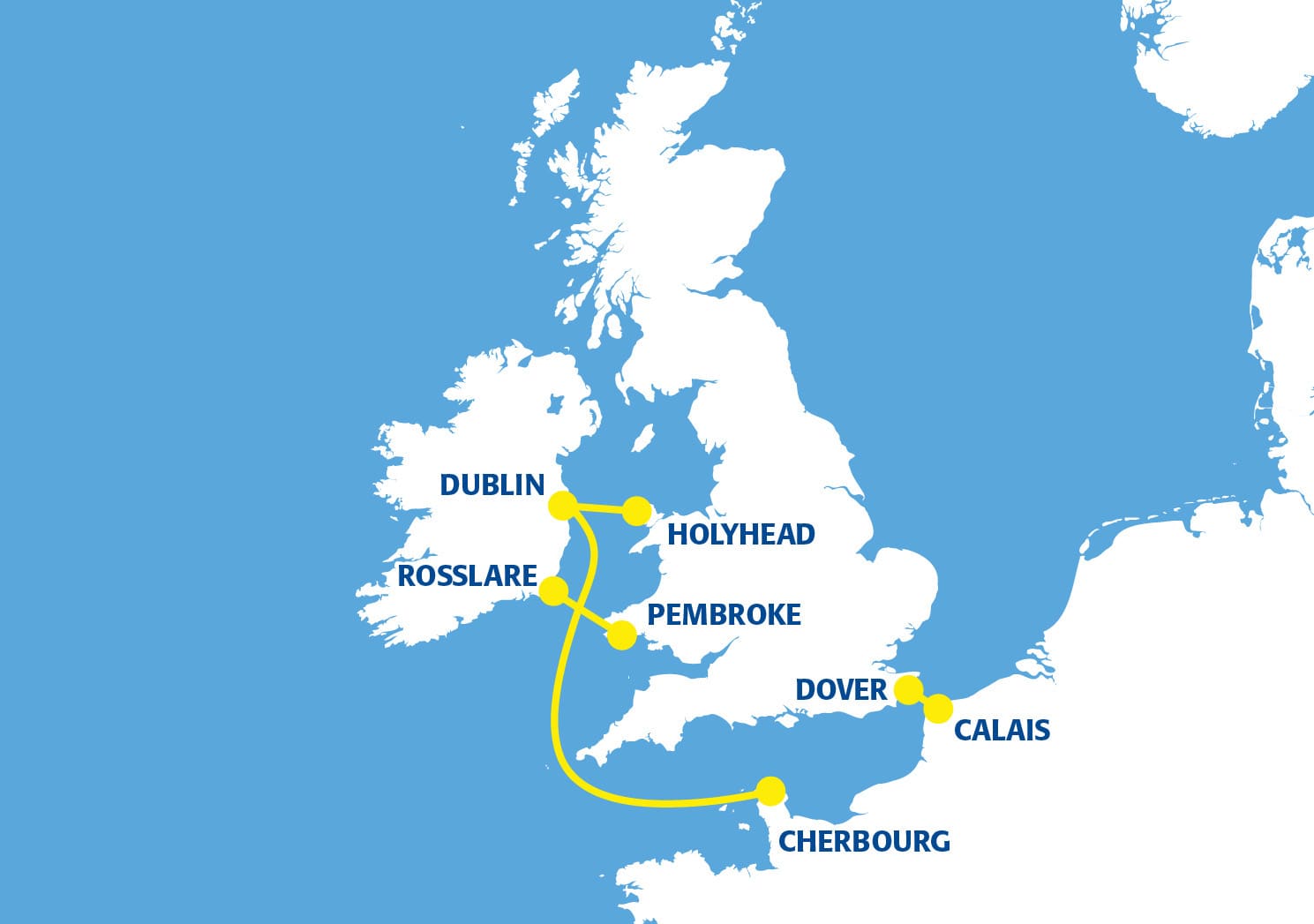
The change affects services run by Stena Line and Irish Ferries, the two dominant operators on the crossing. Routes between Holyhead and Dublin, Fishguard and Rosslare, and Rosslare and Pembroke will all fall under the new requirement. Driving licences, national identity cards, and other forms of photo identification will no longer be accepted.
The operators say the move is intended to ensure the accuracy and integrity of passenger data before boarding, a phrase that echoes language from UK Border Force. Both companies are contacting existing customers to notify them of the change, though the timeline leaves little room for last-minute adjustments.
What the Common Travel Area Actually Covers
The new rules sit awkwardly alongside the Common Travel Area, a framework that has governed movement between the UK, Ireland, the Isle of Man, and the Channel Islands for more than a century. Under the CTA, Irish and British citizens are not legally required to carry passports when travelling between the two countries. That freedom remains intact on paper.
In practice, though, the requirement to show a passport to board a ferry effectively overrides it. The distinction matters less for frequent travellers who already carry passports, but it creates a gap for those who relied on the more flexible approach. The CTA was never about border infrastructure. It was about rights: the right to live, work, and move freely. The new ferry rules do not change those rights, but they do add a layer of enforcement that did not exist before.
Air Travel Set the Precedent
The ferry industry is catching up to airlines. In February, Aer Lingus joined Ryanair in requiring passports for flights between Great Britain and Ireland. The shift was gradual but clear: even on routes where passports are not legally mandated, operators increasingly treat them as the default form of identification.
The reasoning is partly operational. Passports are machine-readable, standardised, and easier to verify than a patchwork of national ID cards or licences. They also satisfy border agencies on both sides of the Irish Sea, which have been tightening data requirements in recent years.
For passengers, the result is a narrowing of options. Photo identification that once sufficed for a weekend trip to Dublin or a family visit to Wales no longer meets the threshold. The change is especially notable for people who do not travel internationally often and may not have kept their passports current.
The ETA Complication for Non-Citizens
The passport requirement is only part of the picture. Visitors who are neither British nor Irish citizens may also need an Electronic Travel Authorisation to enter Britain. The ETA system, which launched earlier this year, applies to most non-visa nationals travelling to the UK for up to six months, whether for tourism, family visits, business trips, or transit.
Irish Ferries has warned that passengers who require an ETA but do not have one may be denied boarding. The company advises applying for the authorisation before travelling and using the same passport for both the ETA application and the ferry journey. The added step is another point of friction, particularly for travellers who are used to simpler border procedures within Europe.
The ETA itself is not controversial in principle. Many countries use similar systems. But its rollout has been uneven, and awareness remains patchy among passengers who do not follow travel news closely. The ferry rule change amplifies the stakes: missing an ETA could mean missing the boat.
What This Means for Casual Travellers
The people most affected by the new rules are those who travel infrequently or who rely on non-passport identification. A British citizen visiting family in Cork, an Irish student heading to a music festival in Liverpool, or a contractor making a short trip for work might have previously travelled with a driving licence. That option is now off the table.
For some, the inconvenience is minor. For others, it is a reminder of how post-Brexit border arrangements continue to reshape movement across the Irish Sea, even where formal legal frameworks have not changed. The ferry operators frame the requirement as a matter of compliance and data integrity. But it also reflects a broader shift toward stricter enforcement at points of entry, driven by political and administrative priorities rather than passenger demand.
The timing matters, too. Late September is still within the summer travel tail, and many people book ferries at short notice. Passengers with trips planned before 28 September should check whether their bookings fall under the new rules and whether their documents are up to date.
A Shift That Feels Incremental but Adds Up
The new passport requirement is not a dramatic break with the past. It follows a pattern set by airlines and aligns with broader trends in border management. But it does mark another step away from the informal, trust-based approach that once characterised travel between Britain and Ireland.
The Common Travel Area endures, at least in law. But the infrastructure around it is tightening, and the gap between what is legally required and what is practically necessary continues to widen. For travellers, the message is clear: keep your passport handy, even on routes where you once did not need it.