A Wall of Water
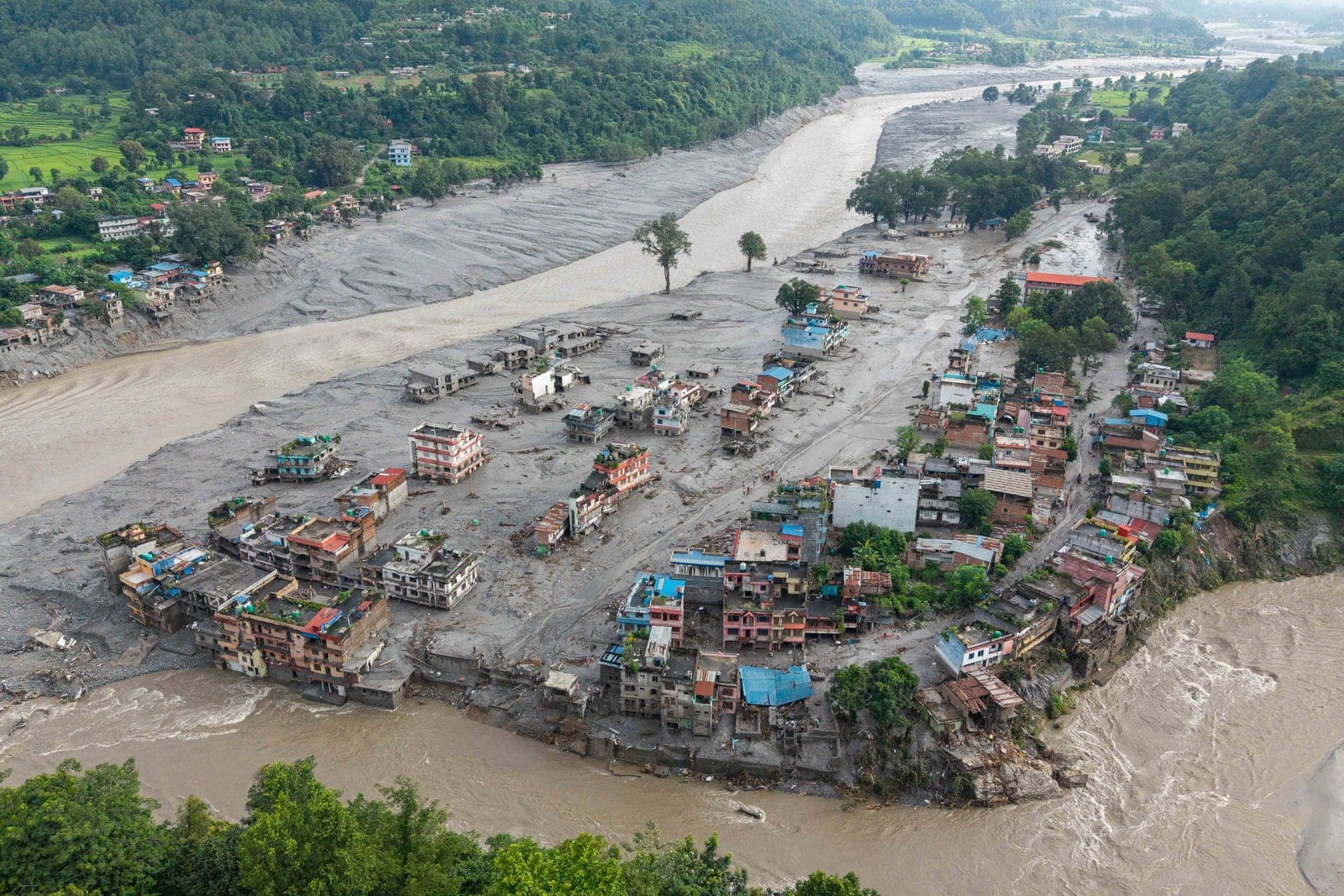
On August 26, flash floods tore through Nepal's Rasuwa district along the Tibet border, killing at least 165 people and leaving more than 800 foreigners missing. Videos from the scene show a surge of water, rock, and mud collapsing bridges and swallowing homes along the Bhotekoshi River. The flooding, likely triggered by a glacial collapse high in the Himalayas, struck an area popular with trekkers and pilgrims heading to sacred sites in Tibet.
The Nepal Tourism Board reported that 644 tourists remain unaccounted for, according to data collected from trekking and travel companies. Indian nationals make up the largest group at 178 missing, many of them Hindu pilgrims en route to Mount Kailash. Fifty-three Ukrainians, sixty-five Americans, thirty-five Australians, and thirty-three British citizens are also out of contact. A thirteen-year-old British girl is among those missing.
Rescue Efforts Under Way
Nepalese police and army units have rescued some tourists and brought them back to the capital, Kathmandu, and neighboring Nuwakot district. Around two dozen tourists were evacuated from Rasuwa on Thursday, along with twenty-one Indian nationals. But with roads destroyed, power lines down, and telecommunications disrupted, reaching isolated communities has been slow. Helicopters have been dropping emergency supplies to villages cut off by landslides.
Sunil Sharma, a spokesperson for the Nepal Tourism Board, said authorities are working with tour operators to account for everyone who was in the area. The Tourist Police are collecting information on foreign visitors who had traveled through the affected zone in recent days.
Who Travels This Route
Rasuwa sits on a well-worn path for hikers and pilgrims. The district connects Nepal with Tibet and serves as a gateway to Mount Kailash and Lake Mansarovar, two sites revered in Hinduism, Buddhism, and other faiths. The trails draw a mix of adventure travelers and religious groups, especially during the summer trekking season. The diversity of nationalities among the missing reflects how international the route has become.
The flooding hit during peak season, when weather is generally stable and trails are busy. But glacial lakes in the Himalayas have grown in size and number as temperatures rise, and outburst floods have become more frequent. When a glacial dam fails, the water behind it can travel at devastating speed.
What Authorities Are Saying
The UK government has opened emergency hotlines for British nationals in Nepal and for families in the UK seeking information. It has not changed its travel advice to warn against visiting Nepal, but it does note that the situation may shift quickly. The Foreign Office is urging anyone in the region to follow local government instructions and stay alert.
Nepal's government set up a toll-free emergency line, 1234, and a dedicated hotline, 1144, for people inside the country. The advice from both Nepalese and UK officials is the same: if you are in the area, stay in contact with local authorities and be ready to move if told to do so.
Gyirong County in Tibet, just across the border, has also seen heavy flooding and landslides. Roads, power, and phone networks are down there as well, and the UK Foreign Office has flagged the risk to travelers on the Tibetan side.
What This Means for Travel Plans
Because the UK has not issued a warning against non-essential travel to Nepal, standard cancellation rules apply. If you booked a trip and want to cancel out of concern, your refund will depend on the terms set by your tour operator or airline. Most travel insurance policies will not cover cancellations based on safety worries unless official advice changes.
Some insurance plans do include coverage for natural disasters that prevent you from reaching your destination. If your route passes through Rasuwa or nearby districts, check your policy and contact your insurer. Tour operators may offer to rebook or reroute, but they are not required to provide refunds if the government has not restricted travel.
Looking Ahead
The death toll is expected to rise as rescue teams reach more remote areas. Communications remain patchy, and the full scale of the damage is still unclear. For now, the focus is on finding survivors and getting aid to communities that have been cut off.
Travelers with plans to trek in northern Nepal or cross into Tibet should monitor updates from local authorities and their own governments. The monsoon season, which typically runs through September, can make conditions in the mountains unpredictable. Glacial outburst floods are not common, but when they happen, they move fast and leave little warning.
For those already in Nepal, the government is asking visitors to register with local authorities and keep emergency contact numbers handy. The situation on the ground is fluid, and what is passable one day may be blocked the next.