What Happened
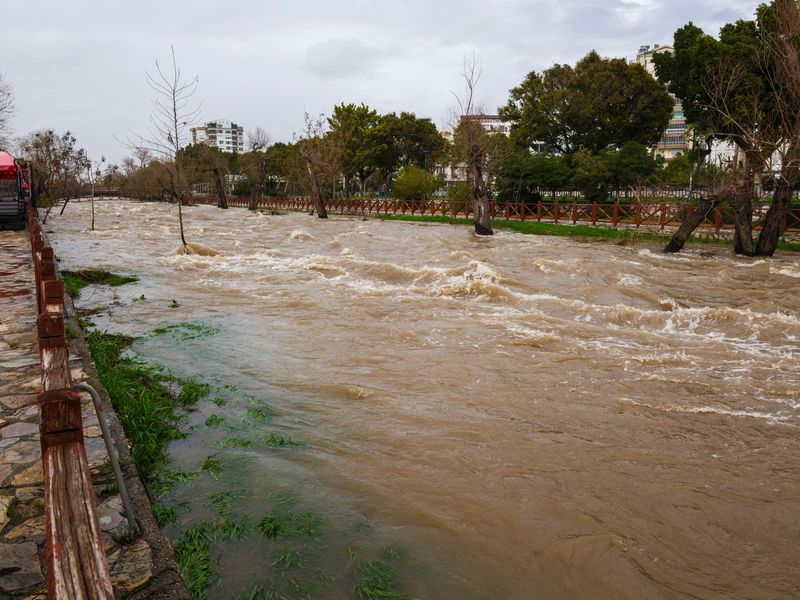
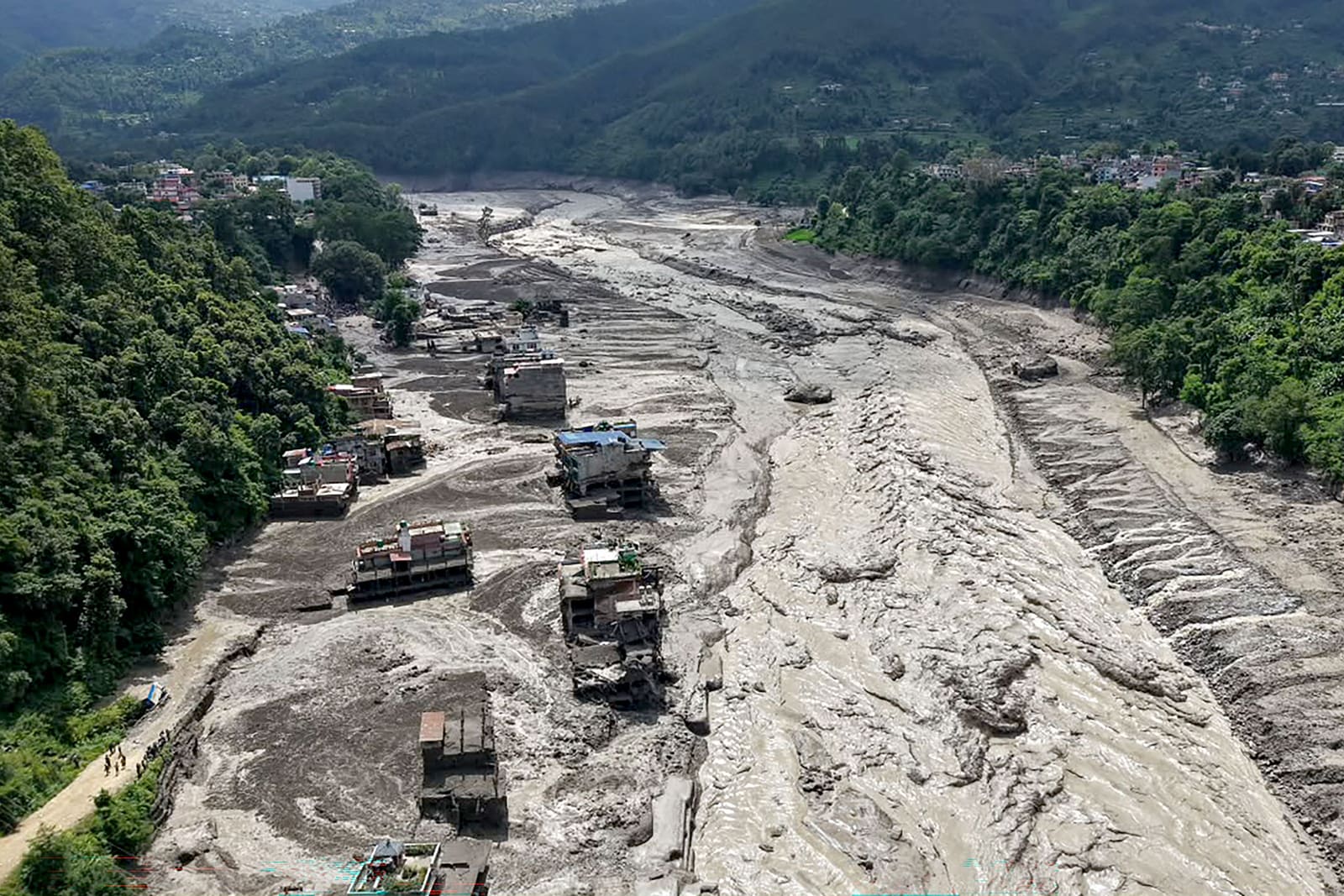
On the morning of August 26, an earthquake struck the Himalayan region at 8:37 AM local time, setting off a chain of events that would devastate communities along the Nepal-Tibet border. According to Nepal's Foreign Affairs Minister Shishir Khanal, the tremor triggered an avalanche that likely blocked a river, unleashing flash floods through Rasuwa district. The Nepal Tourism Board reports at least 95 deaths, with hundreds of travelers from the United Kingdom, United States, South Africa, Malaysia, and India still unaccounted for.
The hardest-hit areas are Syapru Besi and Timure in Rasuwa, with damage extending along the Trishuli River in Nuwakot. Across the border in Tibet, the Gyirong area also recorded fatalities. Chinese state media reported that a mudslide originating on the Nepalese side caused casualties at Gyirong Port around 10:30 AM.
What makes this disaster particularly challenging for travelers is its location. Rasuwa sits on a major route connecting Kathmandu to western Nepal and the Indian border. The main road to the capital is now closed, cutting off a vital commercial and passenger corridor. Regions around the Bhote Koshi river, which flows from Tibet into Nepal, remain on high alert.
The International Response
Nepal's domestic security forces are leading search and rescue operations, but the scale of the disaster has prompted offers of help from multiple countries. India is preparing humanitarian supplies and National Disaster Response Force personnel for potential deployment. South Korea is sending a joint rapid-response team after eight of its citizens were reported missing and another ten stranded in the affected areas.
China is mounting its own response on the Tibetan side of the border. President Xi Jinping has called for all-out efforts to locate the missing and strengthen monitoring systems to prevent further disasters. The International Red Cross and Red Crescent network has activated emergency teams and relief supplies.
The coordination speaks to how quickly a natural disaster in a remote border region can become a multinational crisis. Rasuwa district is a gateway for trekkers heading to Langtang National Park and for pilgrims traveling to Tibet. During peak season, the area sees steady traffic of international visitors alongside local residents and traders.
What Travelers Need to Know
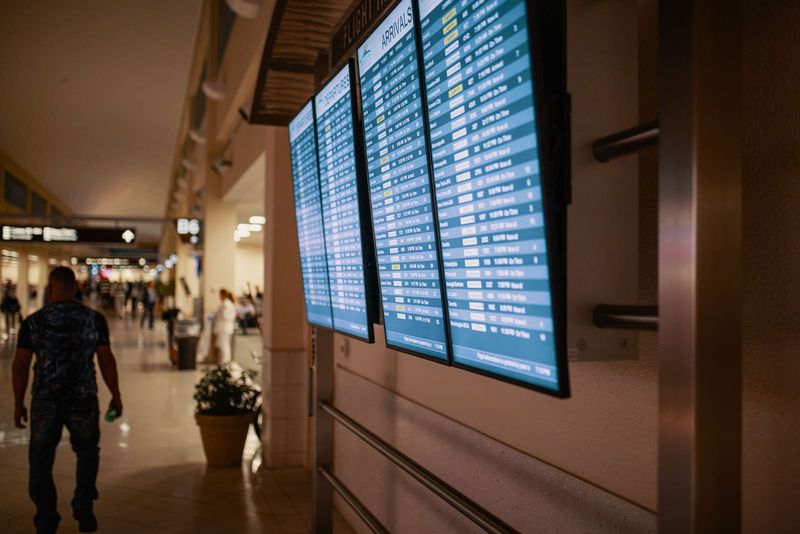
Kathmandu's Tribhuvan International Airport continues to operate, with domestic and international flights listed on schedules. But an open airport does not mean open roads. Anyone with plans involving ground travel to Rasuwa, Syabrubesi, or the Tibet border should assume those routes are impassable. The Nepal Tourism Board has specifically flagged Rasuwa, Nuwakot, Dhading, Gorkha, and Chitwan, as well as the Bhote Koshi and Trishuli river corridors, urging travelers to postpone non-essential trips.
For those already in Nepal with trekking itineraries or Kailash Mansarovar plans, the advice is to contact operators before attempting to travel. A previously arranged vehicle or route may no longer be viable. Anyone stranded in affected areas should follow instructions from local authorities rather than trying to navigate damaged roads or river crossings independently.
The Nepal Tourism Board has set up emergency contact numbers: 1234 for its toll-free helpline, 1144 for emergencies, and the Tourist Police at +977 9851289445. The UK Foreign, Commonwealth and Development Office is advising British travelers to follow local guidance and can be reached at +977 14237100 from Nepal or +44 207 008 5000 from the UK.
The US Embassy in Kathmandu issued a security alert urging American citizens in Rasuwa, Nuwakot, Dhading, Gorkha, Chitwan, and Tanahun to avoid riverbanks and low-lying areas. US citizens needing urgent assistance can call +977 1-423-4000 or email KathmanduACS@state.gov. Malaysia's Foreign Ministry is monitoring the situation after losing contact with 11 nationals believed to be in Rasuwa, while India's embassy has issued contact numbers for Indian citizens: +977 9851316807 and +977 9709107500.
Ripple Effects Beyond Nepal
The floodwaters are not contained within Nepal's borders. Authorities in the Indian state of Bihar have placed six districts on alert as water moves south through the Kosi, Gandak, and Ganga river systems. This is a reminder that mountain disasters do not respect political boundaries. Communities downstream often face risks days after the initial event, as swollen rivers carry debris and sediment far from the source.
For travelers, this means disruptions can appear in unexpected places. A flood in Rasuwa can affect river levels and road access hundreds of kilometers away. Anyone planning to travel through northern India in the coming days should monitor local advisories, particularly in areas near major river systems that originate in the Himalayas.
The situation remains fluid. Rescue teams are still searching for the missing, and the full extent of the damage to infrastructure will take time to assess. Road closures may extend well beyond the immediate flood zone as engineers inspect bridges and assess landslide risks. Travelers with plans in the region should expect delays and be prepared to adjust itineraries on short notice.
This is not the first time Nepal has faced flash floods triggered by seismic activity, and it will not be the last. The Himalayas are geologically active, and climate patterns are shifting in ways that make extreme weather events more unpredictable. For anyone planning to travel in the region, the lesson is less about avoiding Nepal and more about building flexibility into plans and staying connected to reliable information sources on the ground.