A Rare Move for Budget Carriers
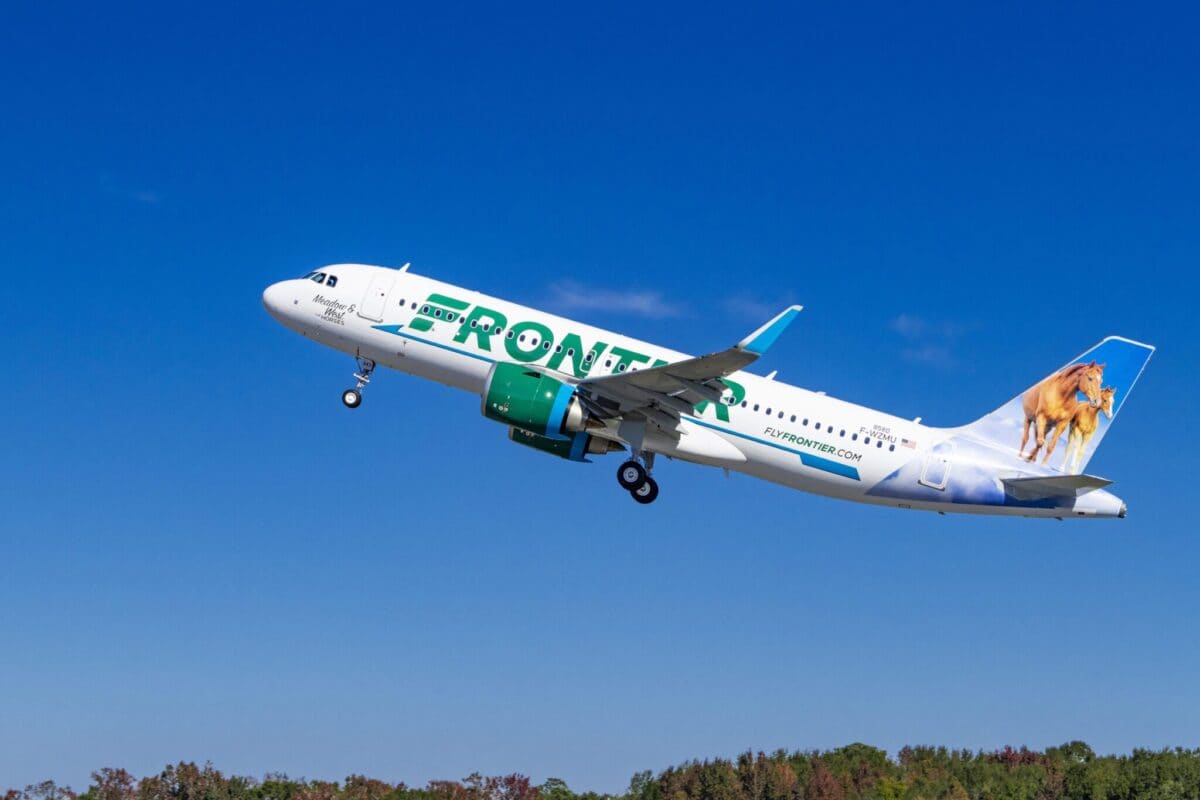
Frontier Airlines announced Tuesday it will install Starlink satellite internet across its entire fleet, a decision that sets it apart from other ultra-low-cost carriers in the United States. The Denver-based airline expects the first equipped aircraft to enter service in 2027, with passengers accessing Wi-Fi through Starlink's onboard system.
The move is unusual for a carrier built on stripped-down fares and pay-for-everything-else pricing. Most budget airlines skip in-flight connectivity altogether, viewing the infrastructure cost as incompatible with rock-bottom ticket prices. Frontier's choice to add the technology signals how premium services have become too lucrative for even cost-focused carriers to ignore.
Why Budget Airlines Are Reconsidering Connectivity
Airlines across the board have watched ancillary revenue climb steadily over the past decade. Seat selection fees, early boarding, checked bags, and onboard food now account for a significant portion of total income, particularly among low-cost operators. In-flight Wi-Fi fits neatly into that model, offering another product passengers are willing to pay for without requiring dramatic changes to the core ticket price.
Starlink's satellite network has accelerated adoption. Unlike older air-to-ground systems that rely on cell towers, Starlink provides coverage over oceans and remote areas with higher speeds. Several full-service carriers have already committed to the technology, drawn by the promise of reliable streaming and video calls at cruising altitude. For Frontier, the appeal likely lies in both the technical capability and the potential to sell a service that was previously impractical to offer.
The timing also reflects broader industry trends. Premium economy cabins, lie-flat business seats, and upgraded meal options have all expanded in recent years, even as base fares remain competitive. Passengers increasingly expect connectivity as a standard feature, and carriers that can't provide it risk losing business travelers or families who view internet access as non-negotiable.
What Passengers Can Expect
Frontier has not disclosed pricing for the Wi-Fi service or whether it will offer complimentary access to certain fare classes. The airline's revenue model traditionally charges for nearly every add-on, so a paid option seems more consistent with its approach. How it prices Starlink relative to competitors will shape adoption, particularly among leisure travelers accustomed to comparing every fee.
The installation timeline stretches into 2027, meaning most of Frontier's current fleet will operate without connectivity for at least another year. Passengers flying in the near term should not expect the service, and the airline will need to communicate clearly which aircraft have the equipment to avoid confusion at the gate.
Starlink's performance on other airlines has generally been well-received, with users reporting speeds fast enough for video streaming and work tasks. If Frontier can deliver a similar experience, it may attract a new segment of travelers who previously avoided the carrier due to the lack of Wi-Fi.
The Bigger Question for Ultra-Low-Cost Carriers
Adding premium features creates a tension for airlines built on cost discipline. Every new service requires investment, maintenance, and operational complexity. Starlink hardware must be installed, tested, and serviced across dozens of aircraft, all of which adds expense. If those costs push ticket prices higher or reduce the carrier's ability to undercut competitors, the strategy could backfire.
At the same time, standing still carries its own risk. Full-service and hybrid carriers are raising the bar on connectivity, and passengers may begin to see Wi-Fi as a baseline expectation rather than a luxury. Frontier's bet is that the revenue from selling internet access will outweigh the cost of deploying it, and that the technology will help it compete for travelers who might otherwise choose a legacy airline.
The announcement positions Frontier as the first U.S. ultra-low-cost carrier to commit to Starlink, but it likely won't be the last. If the rollout proves financially successful, other budget operators may follow, reshaping what passengers can expect from the cheapest tickets in the sky.