A New Link for Northwestern Spain
Fly2Galicia will begin service in December, flying from Santiago de Compostela to eight cities across Europe. The startup has listed one-way tickets from £18.40, positioning itself as a low-cost option for travelers in Spain's northwestern corner.
The carrier will fly to Zaragoza, Alicante, Granada, Milan, Venice, Munich, Prague, and Brussels from Rosalia de Castro airport. Tickets went on sale for flights beginning 1 December, according to Fly2Galicia.
The cheapest routes are domestic. A return trip between Santiago de Compostela and Alicante can run £35 if you book the Economy Go fare, which includes an 8kg cabin bag. The same price range applies to flights to Zaragoza and Granada.
Leasing Instead of Buying
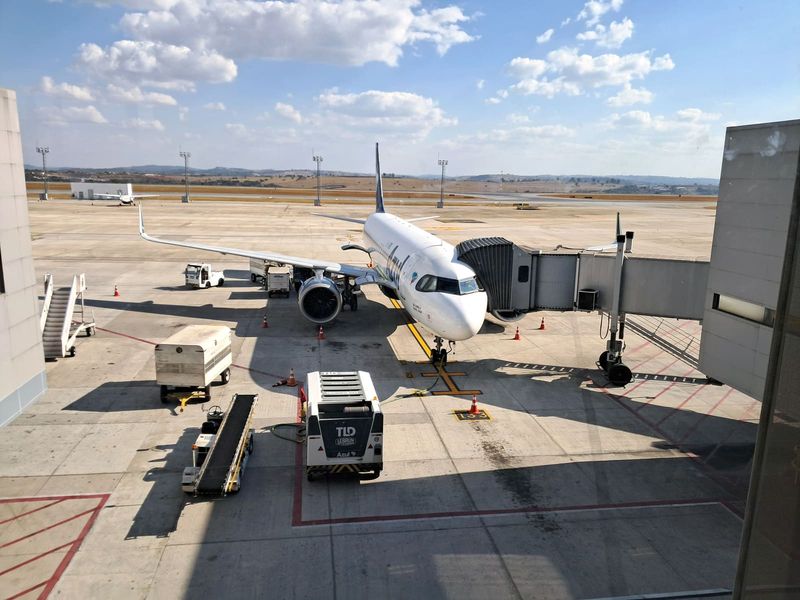
Fly2Galicia will not operate its own aircraft at launch. Instead, it will use a plane owned by another European carrier, according to the World Tourism Forum. The name of that carrier has not been disclosed.
Leasing aircraft is standard practice for new airlines. It avoids the upfront debt that comes with purchasing planes. Established carriers also lease jets, usually to add capacity during busy periods, cover unexpected staff shortages, or test new routes before committing their own metal.
It is not clear whether Fly2Galicia will also lease crew, a setup known as a wet lease. The airline has posted job openings for cabin crew, suggesting it may staff at least some positions itself.
Four Fare Tiers
Fly2Galicia offers four fare categories. Economy Go is the entry tier. Economy Plus, Economy Premium, and Business Premium add progressively more perks: checked bags, better seats, meals, and drinks.
Business Premium passengers get lounge access, the option to cancel their ticket, and an empty middle seat. That tier targets travelers willing to pay more for flexibility and space.
The airline is also launching a loyalty program called the Fly2Galicia Miles Programme. Passengers earn points on flights and can redeem them later.
Filling a Gap
The carrier says it launched to address a shortage of direct connections between Galicia and major European cities. Northwestern Spain has long been less connected than hubs like Madrid or Barcelona, and travelers often face layovers or long drives to reach international destinations.
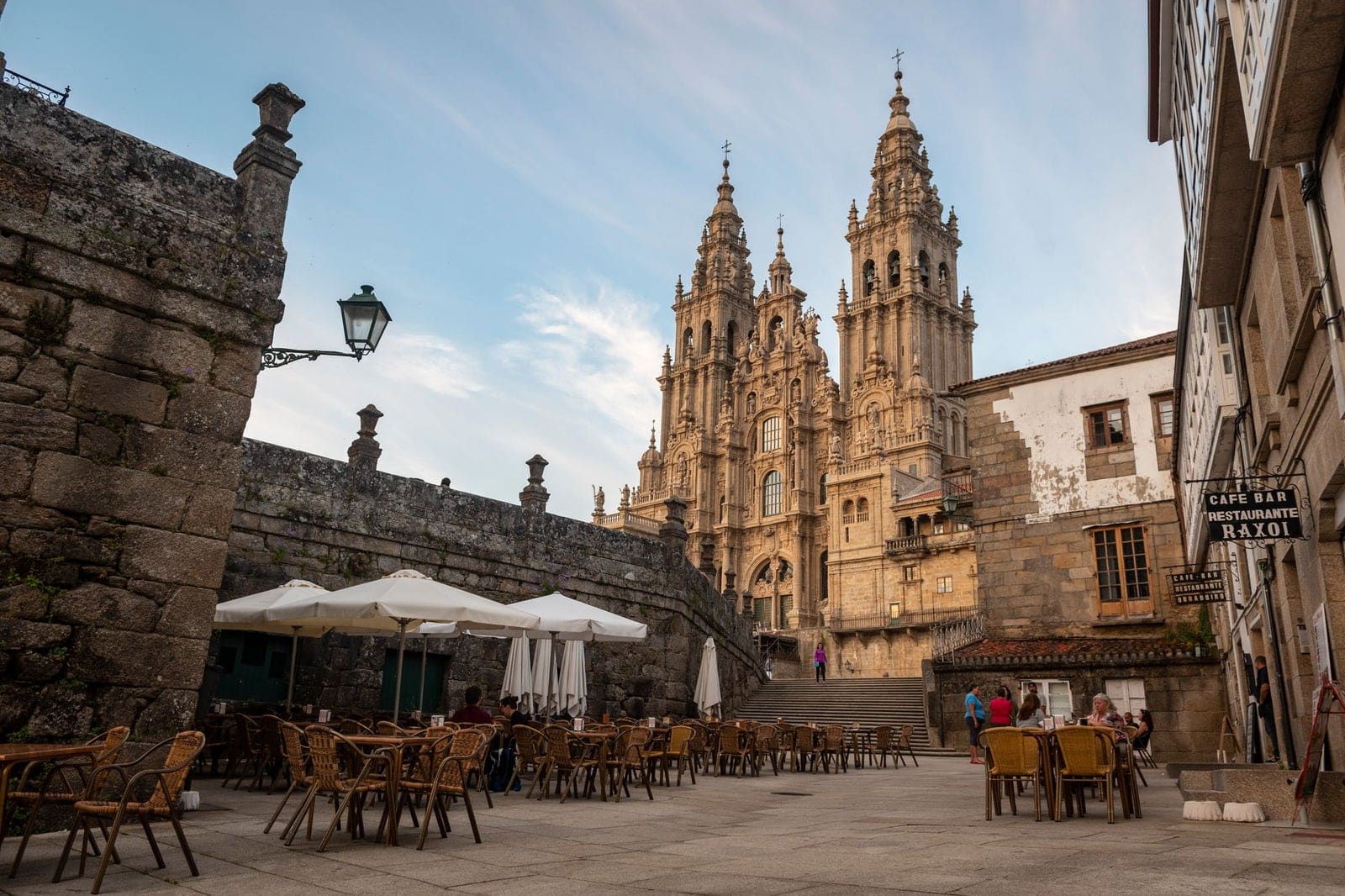
The new routes may also appeal to pilgrims finishing the Camino de Santiago, a historic walking trail that ends at the Cathedral of Santiago de Compostela. Many walkers fly in from abroad and need a way home that does not require backtracking to Madrid or Lisbon.
Galicia's tourism infrastructure has grown in recent years, but air service has lagged. The region draws visitors for its coastline, Celtic heritage, and seafood, yet flight options remain limited compared to southern Spain.
What Comes Next
Fly2Galicia will compete with Ryanair and Vueling on some of these routes, particularly the domestic legs. Whether it can sustain low fares while leasing aircraft depends on load factors and ancillary revenue from baggage and seat selection.
The airline has not announced plans to expand beyond the initial eight destinations or to acquire its own fleet. For now, the focus is on proving demand for direct service from a region that has been underserved by budget carriers.
Santiago de Compostela could become a secondary hub if the model works. Other regions in Spain, from Asturias to Extremadura, face similar connectivity challenges. A successful launch in Galicia might set a template for startups elsewhere.