Eight Cities, One Gateway
Fly2Galicia will begin service from Santiago-Rosalía de Castro Airport on December 1, 2026, linking Galicia's capital to Alicante, Granada, Zaragoza, Brussels, Prague, Munich, Venice, and Milan. The airline announced introductory fares from around forty euros on select international routes, with tickets already on sale. Every ticket includes an eight-kilogram cabin bag and a personal item, a baseline many ultra-low-cost carriers charge separately.
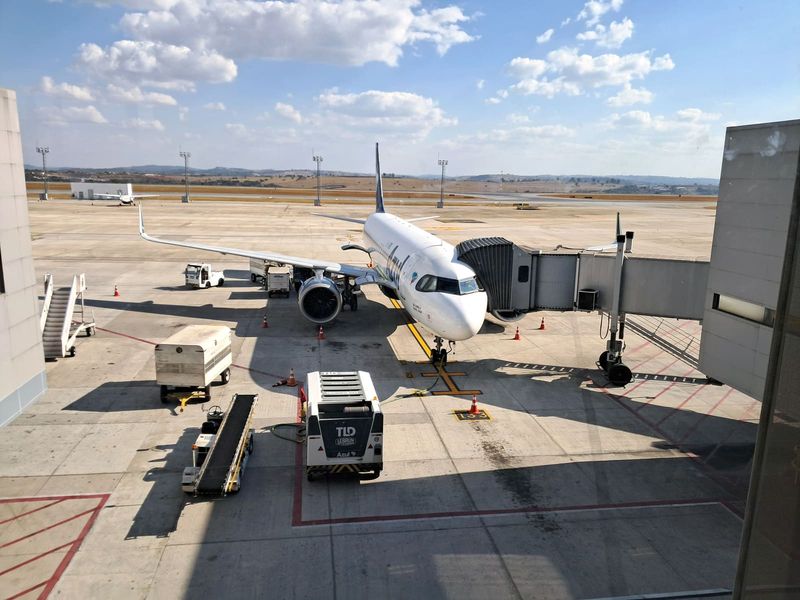
The carrier is leaning hard into its Galician identity, but the opening wave will be operated by an undisclosed European partner under a wet-lease arrangement. Fly2Galicia has not named the contractor, though industry chatter points to an Airbus A320 flying the initial schedule through October 24, 2027. A second aircraft may join the fleet for summer 2027 if demand justifies the outlay.
Timing the Pilgrimage Boom
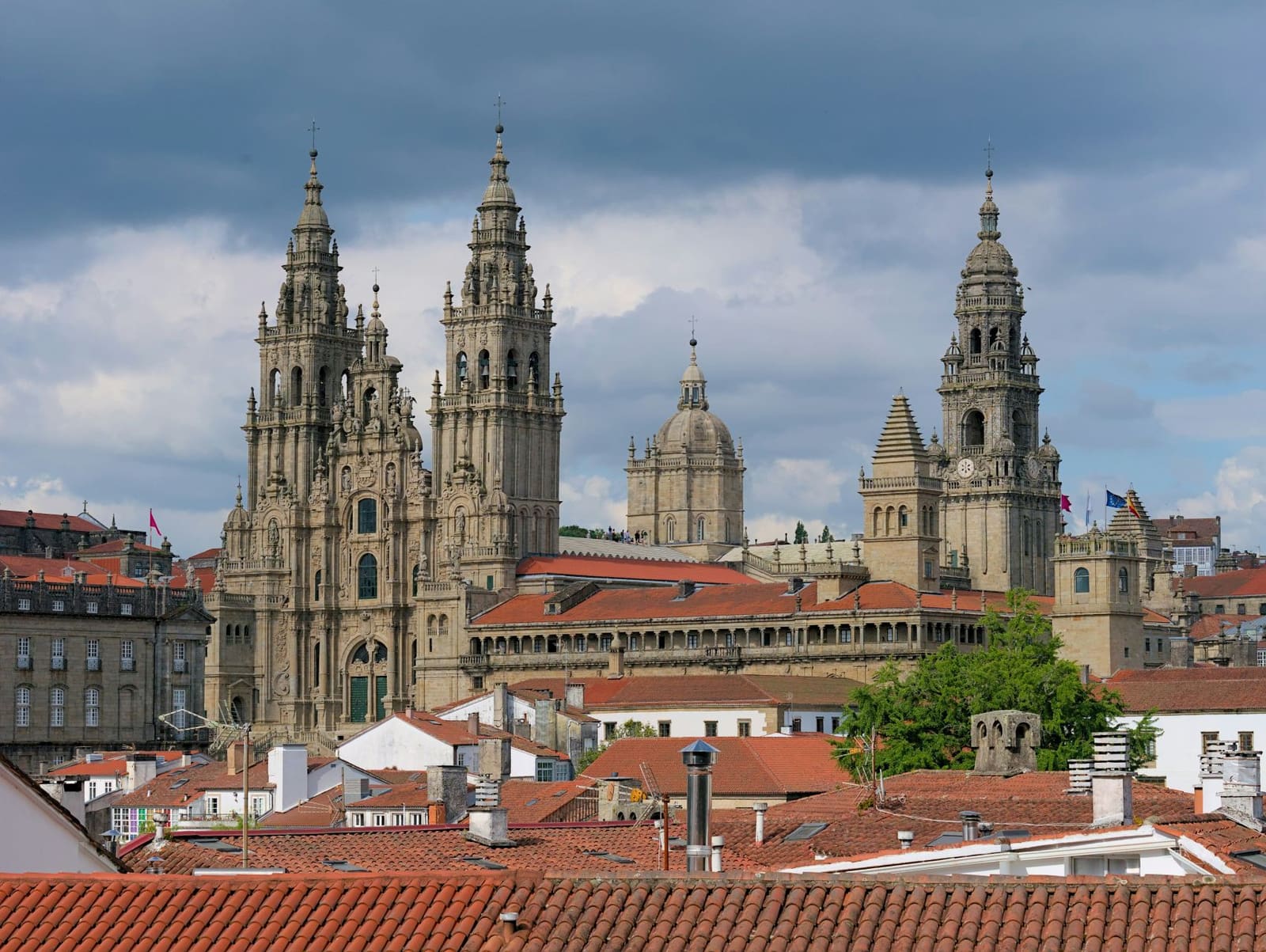
The December launch lands nine months before the 2027 Jacobean Holy Year, when the Feast of Saint James falls on a Sunday and Catholics can earn a plenary indulgence by fulfilling prescribed rites in Santiago. Holy Years have historically drawn outsized pilgrim numbers to the Camino de Santiago, the web of medieval routes converging on the cathedral that houses the saint's reputed tomb. The last Holy Year, in 2021 and extended through 2022 because of pandemic disruptions, saw the Camino's modern revival accelerate. Walkers, cyclists, and even horseback riders now undertake the journey for reasons that range from spiritual quest to personal challenge to simple curiosity about Galician cider and coastal scenery.
Fly2Galicia's international network tilts toward Central Europe and Italy, regions with deep Camino traditions. Belgium, Germany, the Czech Republic, and northern Italy all send steady streams of pilgrims each year, and direct flights can shave a day off the journey compared to connecting through Madrid or Barcelona. The airline has not announced any routes to the United Kingdom, which also supplies a large share of Camino traffic.
A Crowded Ramp
Fly2Galicia is not betting alone. Wizz Air will add Rome and Warsaw service to Santiago in December 2026 and plans to station an aircraft in the city the following February. That base will anchor new domestic links to Malaga, Tenerife, Gran Canaria, Fuerteventura, and Zaragoza, turning Santiago into a hub for both inbound pilgrims and outbound Galicians chasing winter sun. The overlapping Zaragoza route suggests the two carriers see different passenger profiles or are willing to test price elasticity on a thinner corridor.
The influx of capacity raises questions about absorption. Santiago's airport handled just over three million passengers in 2019, respectable for a regional gateway but modest compared to Spain's coastal giants. Holy Year traffic will provide a temporary cushion, yet both Fly2Galicia and Wizz Air are scheduling service well into the autumn shoulder season, implying confidence that Galicia's appeal extends beyond the pilgrimage calendar. The region's Rías Baixas estuaries, Albariño vineyards, and Atlantic seafood have been pulling culinary tourists for years, and the UNESCO-listed Old Town offers architecture and history that reward a visit even without the scallop-shell credential.
What Budget Really Means
Fly2Galicia's forty-euro headline fare is a floor, not a ceiling. Pricing will flex by date, route, and how far in advance tickets are purchased. The inclusion of two carry-ons is a welcome baseline, but checked bags, seat selection, and priority boarding will almost certainly cost extra. That unbundling is standard in the low-cost universe, and passengers who show up expecting a full-service experience at bargain prices will meet disappointment at the gate.
The wet-lease arrangement also introduces operational risk. Contracting another airline's crew and metal means Fly2Galicia has less direct control over punctuality, cabin standards, and how staff handle irregular operations. If the partner carrier stumbles, the new brand absorbs the reputational cost. On the other hand, wet leases let startups test routes without the capital burden of buying or leasing aircraft outright, a pragmatic choice for a carrier that has yet to prove its market.
Galicia's Quiet Infrastructure Push
Santiago's rising airline count reflects a broader effort to position Galicia as more than a footnote in Spanish tourism. The region has long lived in the shadow of Andalusia's monuments and Catalonia's modernisme, yet it offers a distinct mix of Celtic heritage, rain-washed green hills, and a coastline that feels closer to Brittany than the Mediterranean. Local authorities have invested in airport upgrades, marketing campaigns, and infrastructure along the Camino itself, from improved signage to more albergue beds.
That push is colliding with the same overtourism concerns roiling other European destinations. Santiago's Old Town, compact and pedestrian-friendly, can feel overwhelmed on summer afternoons when tour groups and independent pilgrims converge in the Praza do Obradoiro. The city has begun discussing measures to manage visitor flow, including potential limits on tour-bus access and stricter short-term rental rules. Adding more airline seats before those policies are finalized is a gamble that economic benefit will outweigh resident frustration.
The Verdict for Travelers
For anyone planning a Camino walk or a Galician swing in late 2026 or 2027, Fly2Galicia and Wizz Air's new routes offer more direct options and potential fare competition. Booking early will secure the lowest prices, and travelers should budget for add-ons if they plan to check luggage or choose seats. The Holy Year will bring crowds, higher accommodation prices, and a festival atmosphere in Santiago, appealing to some and exhausting to others. Those seeking solitude might consider starting the Camino from a less-traveled trailhead or visiting Galicia in the quieter months before or after the peak.
The airline's long-term prospects depend on whether it can convert Holy Year curiosity into year-round demand. Galicia has the ingredients, but turning a seasonal spike into sustained traffic requires more than cheap tickets. It requires travelers to see the region not as a pilgrimage footnote but as a destination worth returning to, rain and all.