A Basic Need, Suddenly Unavailable
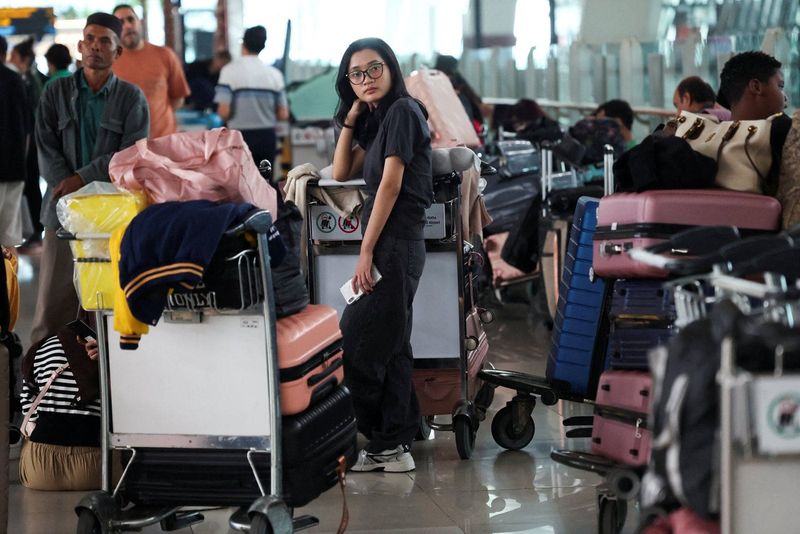
Gatwick Airport experienced a complete water system failure that left passengers stranded without access to functioning toilets for several hours. The disruption, which affected one of the United Kingdom's largest aviation hubs, has since been resolved, but the incident raises uncomfortable questions about the resilience of infrastructure that millions of travelers depend on every day.
The breakdown occurred during peak travel hours, compounding the discomfort for those waiting in terminals. While the airport announced that service had been restored, the episode offered a stark reminder of how fragile the systems underpinning modern travel can be.
The Ripple Effects of Infrastructure Failure
When basic utilities fail at an airport, the consequences cascade quickly. Restrooms become unusable. Food service operations grind to a halt. Hand-washing stations go dark. What passengers typically take for granted transforms into an immediate crisis affecting thousands simultaneously.
Gatwick handles roughly 46 million passengers annually, making it Britain's second-busiest airport after Heathrow. On any given day, tens of thousands of people move through its terminals. A water outage lasting even a few hours means that thousands of travelers face not just inconvenience but genuine distress, particularly families with young children, elderly passengers, and those with medical conditions.
The incident also highlights an operational paradox: airports invest heavily in security technology, digital systems, and customer-facing amenities, yet remain vulnerable to failures in century-old utility infrastructure. A single point of failure in water supply can render an entire terminal temporarily uninhabitable, regardless of how sophisticated its departure boards or retail offerings might be.
Why Airports Struggle With Aging Systems
Many major airports around the world operate on infrastructure that was built decades ago and expanded incrementally rather than redesigned from the ground up. Gatwick opened in the 1930s and has grown through successive waves of renovation and expansion. Its underlying utility systems often reflect this patchwork history.
Water supply networks, sewage systems, and electrical grids were typically sized for earlier, smaller passenger volumes. As terminals expanded and traffic grew, these systems were stretched to accommodate loads they were never originally designed to handle. Upgrading them requires shutting down sections of the airport, navigating complex regulatory approvals, and coordinating with local utility providers - challenges that often push essential maintenance down the priority list.
The result is a growing gap between the polished passenger experience airports strive to deliver and the aging bones that support it. A gleaming terminal filled with shops and lounges means little when the plumbing stops working.
Comparisons Across the Industry
Gatwick is hardly alone in facing infrastructure vulnerabilities. Heathrow dealt with a similar water supply issue in 2019 that forced the closure of several restrooms. Atlanta's Hartsfield-Jackson International Airport, the world's busiest by passenger count, experienced a power outage in 2017 that grounded flights and left travelers in the dark for hours.
Smaller airports in emerging markets often face even more acute challenges. Aging pipes, unreliable municipal water supplies, and limited budgets for capital improvements create a precarious situation where basic services can fail with little warning. The difference is that smaller facilities serve fewer people, so the scale of disruption remains more contained.
What sets major hubs like Gatwick apart is the sheer number of people affected when something goes wrong. An outage that might inconvenience hundreds at a regional airport becomes a crisis involving thousands at a major international terminal.
The Cost of Downtime
Beyond passenger discomfort, infrastructure failures carry financial and reputational costs. Retailers and restaurants lose revenue when they cannot operate. Airlines face potential delays if crews or passengers cannot access facilities. The airport itself risks regulatory scrutiny and negative publicity that can linger long after the immediate problem is fixed.
Gatwick has not publicly disclosed what caused the water failure or how long it took to restore service, but the speed of resolution suggests the issue was likely localized rather than systemic. Still, the incident will prompt internal reviews and likely accelerate discussions about infrastructure resilience and contingency planning.
What Passengers Should Know
For travelers, episodes like this underscore the importance of flexibility and preparation. Arriving at the airport with assumptions that all facilities will be fully operational can lead to frustration when something unexpected occurs. Carrying essentials - medications, snacks, water bottles, portable chargers - becomes more than a convenience; it is a buffer against disruptions that are, statistically, more common than most people realize.
It also highlights the value of understanding an airport's layout and alternatives. Knowing where multiple restroom facilities are located, which terminals are connected, and whether there are accessible amenities outside security can make a significant difference during an outage.
Looking Ahead
The Gatwick incident will likely fade from headlines quickly, but it should prompt broader reflection within the aviation industry. As passenger volumes continue to recover and grow following pandemic-era lows, the strain on aging infrastructure will only intensify. Airports will need to balance competing demands: expanding capacity, enhancing the passenger experience, meeting sustainability goals, and maintaining the unglamorous but essential systems that keep terminals functioning.
Proactive investment in infrastructure resilience - redundant water systems, real-time monitoring, rapid-response protocols - will determine which airports navigate future disruptions smoothly and which face repeated crises. The alternative is a future where breakdowns like Gatwick's become not anomalies but routine occurrences, eroding traveler confidence and complicating an already complex journey.
For now, the water is flowing again at Gatwick. But the underlying questions about how airports manage their most basic systems remain unresolved, waiting for the next time something essential fails at the worst possible moment.