The Walkout
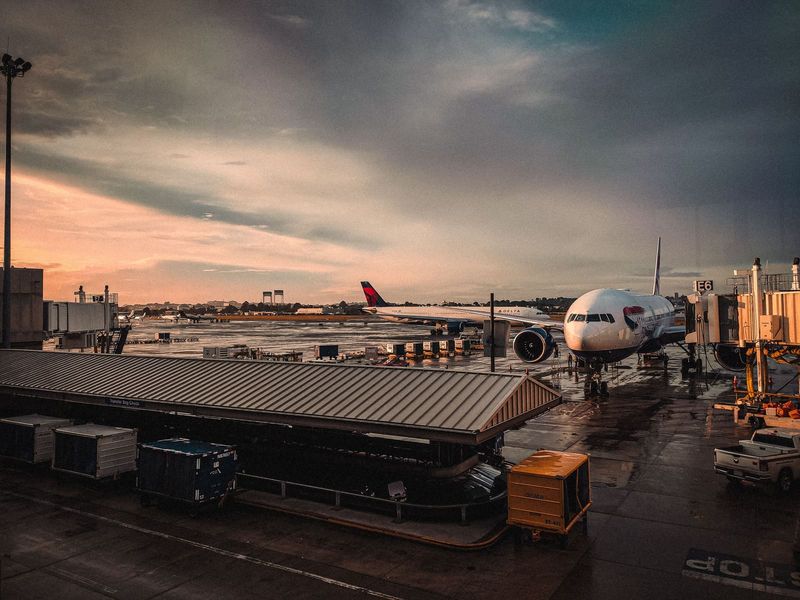
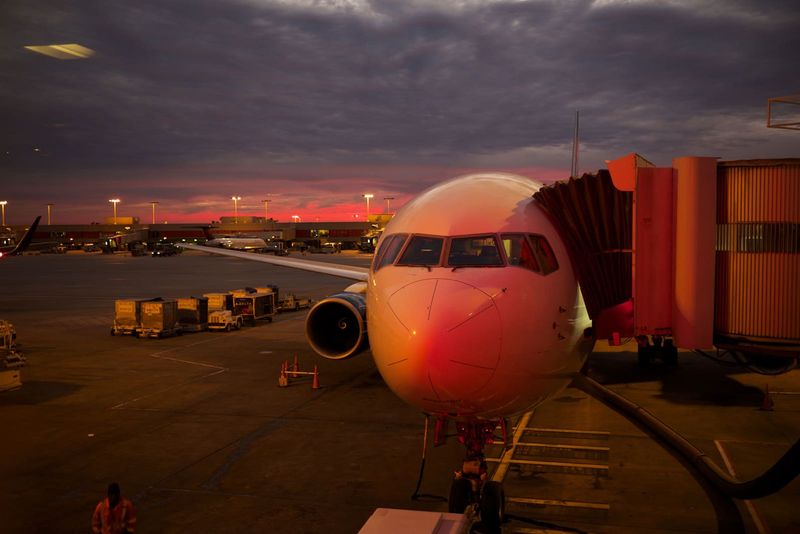
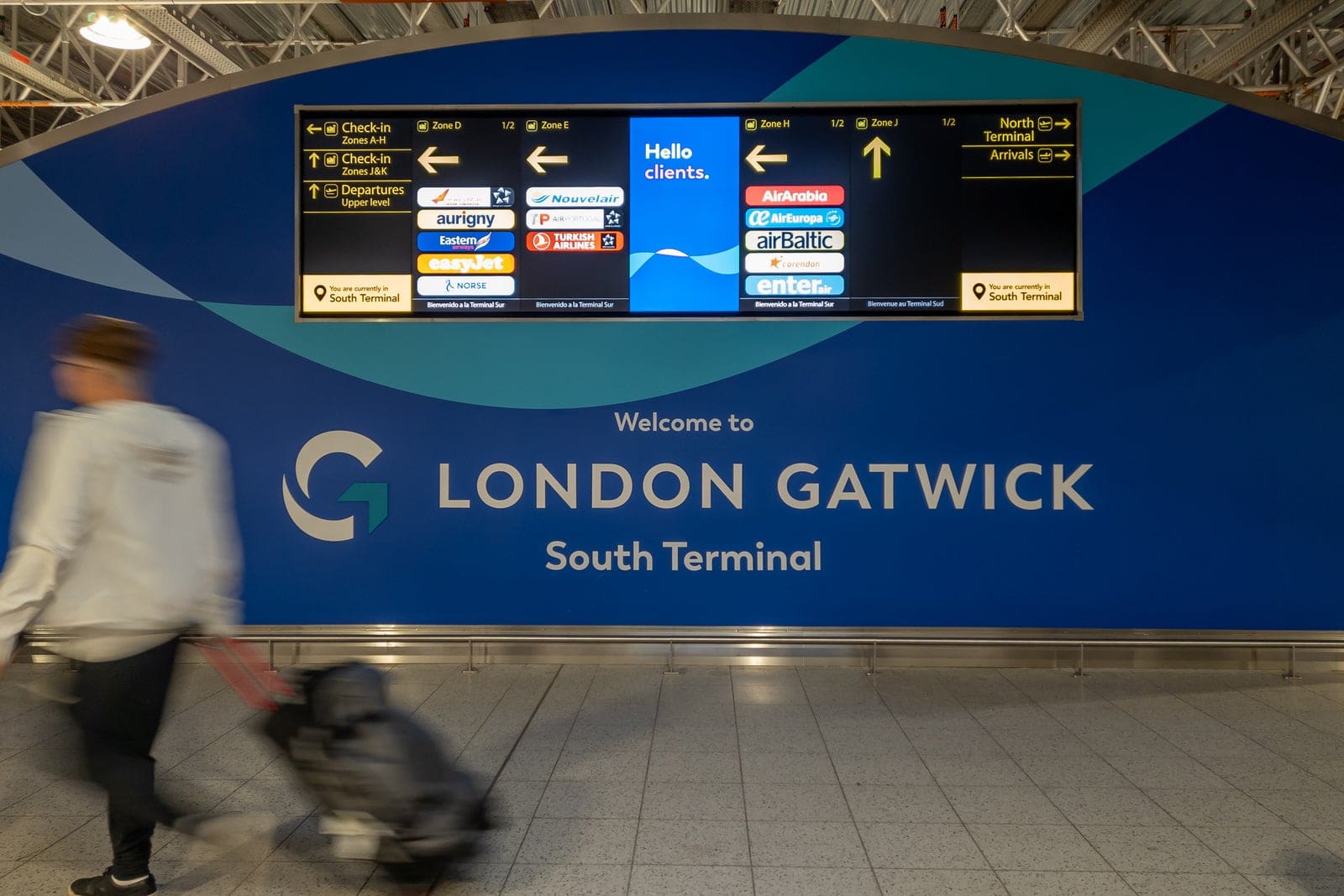
More than 220 workers who provide assisted travel services at Gatwick will strike for nine days later this month. The action will run from 17 September to 21 September, then resume from 23 September to 26 September, according to Unite.
The workers are employed by Wilson James, an aviation service provider that handles passenger assistance at the airport. They voted unanimously to reject a two-year pay offer that included a 3.4 per cent increase, a 0.6 per cent one-off bonus, and a 0.5 per cent pension uplift.
The strike comes just a week after a separate air traffic control system failure grounded around 1,300 flights across the UK, affecting thousands of passengers at Gatwick and other airports. That disruption had nothing to do with labour disputes, but the timing adds another layer of uncertainty for travellers.
What Assisted Travel Means
Assisted travel workers help passengers with reduced mobility, disabilities, or other needs navigate the airport. They operate wheelchairs, provide escort services, and coordinate support from check-in through to the aircraft door. When these teams are understaffed or absent, passengers who booked assistance may face long waits or miss flights altogether.
The role is essential but often low-profile, and pay has been a recurring flashpoint at UK airports. Unite says the lowest-paid Wilson James staff at Gatwick earn £14.71 per hour, which the union argues is inadequate given the cost of living in the area. The union also pointed to a 38.7 per cent pay rise awarded to Wilson James's highest-paid director last year, though it did not provide further context on that figure.
Positions on Both Sides
Unite has been negotiating with Wilson James since May. Ben Davis, a regional officer for the union, said the company has not put forward an acceptable offer despite months of talks. He framed the strikes as avoidable if Wilson James makes a significantly improved proposal.
Gatwick, for its part, said it is working with Wilson James to avoid any impact on passengers and expects to operate a normal flight schedule on the strike dates. The airport added that it hopes the two parties can reach a resolution before the action begins.
Wilson James has not yet commented publicly on the dispute.
What Travellers Should Watch
Airlines and airports often bring in temporary staff or reassign existing teams during strikes, but coverage is rarely seamless. Passengers who have requested assistance should confirm their arrangements directly with their airline in the days leading up to travel, especially if flying on one of the strike dates.
Even if flights depart on time, queues at check-in and security may be longer if support staff are stretched thin. Gatwick has not said whether it will deploy additional resources or rely entirely on Wilson James to fill the gaps.
The broader question is whether this dispute signals a wider pattern. Assisted travel staff at other UK airports have taken similar action in recent years, often over pay that has not kept pace with inflation or the rising cost of living in airport commuter belts. If Wilson James and Unite do not reach a deal, the strikes could extend beyond September or inspire action elsewhere.
For now, the airport's message is one of confidence. Whether that holds depends on how many workers actually walk out and how effectively the gaps can be filled.